
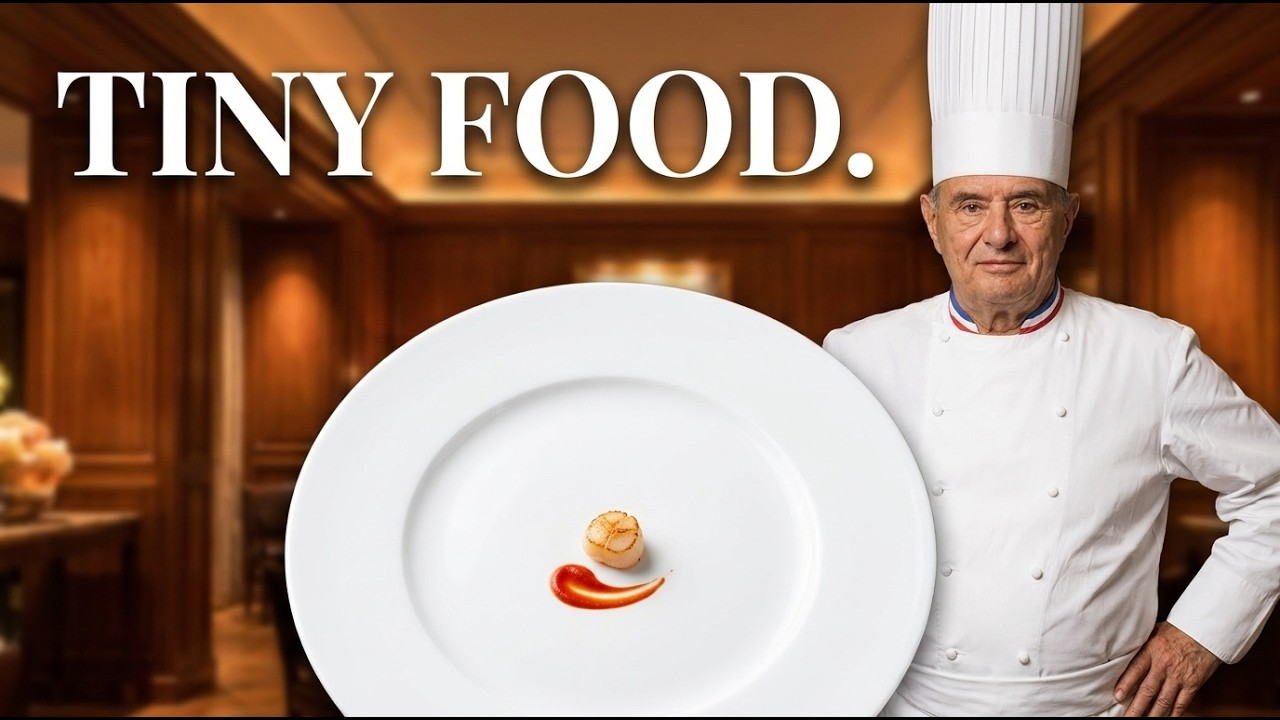
Ever wondered why you pay $200 for a dinner that leaves you eyeing the bread basket? The world’s most expensive restaurants serve portions so tiny they could disappear in three bites, yet charge prices that could feed an entire family elsewhere. From $76-per-ounce Kobe beef to $65 for eight grams of black truffle, these aren’t pricing mistakes – they’re the calculated psychology of fine dining economics. What you’re really paying for goes far beyond the food on your plate.
The secret lies in a 1960s culinary revolution that changed everything about how we think about food portions and taste. French food critics Henri Gault and Christian Millau sparked the “nouvelle cuisine” movement, rejecting heavy, sauce-laden dishes for precise, minimalist presentations that prioritize quality over quantity. Science reveals we only truly savor the first three or four bites of any dish before taste adaptation kicks in, making those initial moments the most valuable. Understanding this psychology explains why Michelin-starred establishments focus on perfecting those crucial first impressions rather than filling your stomach.