
$27 a month, unlimited data, 100+ countries = pangia pass
Use my link for 10% off:
https://pangiapass.com/a/bold
Find Me Here:
https://linktr.ee/bold.perceptions
Travel / Lifestyle Consultation, DM Me On Instagram:
bold_perceptions
Hakuna matata they say
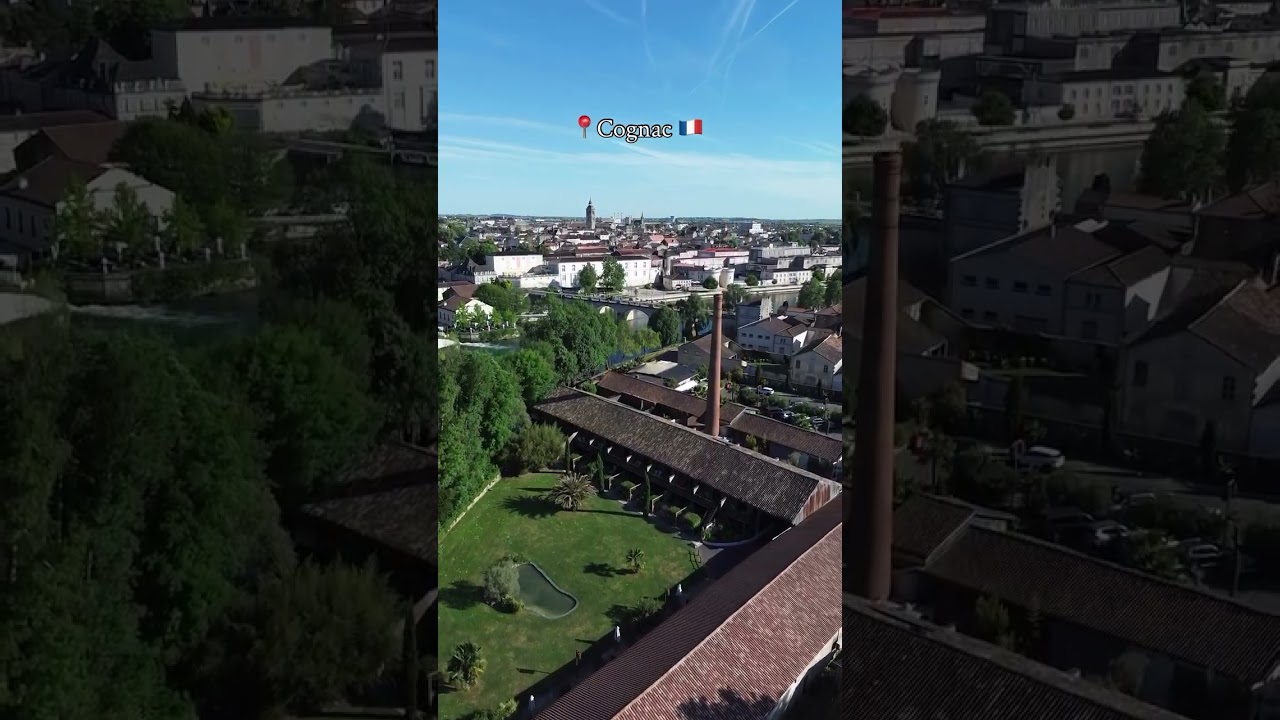
~ Cognac developed from a medieval river port into a global spirits center. By the 12th century, the Charente River was already a trade route moving salt and wine from the region to northern Europe.
In the 16th and 17th centuries, Dutch merchants, frustrated with unstable wine shipments, began distilling it into a more durable spirit they called “brandewijn.”
Local producers refined the process into double distillation, then discovered that long transport and storage in oak improved the liquid. By the 18th century, aging was intentional and houses were exporting across Europe.
The modern identity took shape in the 19th century with the rise of merchant families and defined blending styles. After the phylloxera crisis devastated vineyards in the late 1800s, the region was rebuilt with stricter controls.
In 1936, Cognac was formally protected as an AOC, fixing its geographic boundaries, permitted grapes, distillation methods, and aging requirements.
The town centers on the Château de Cognac, birthplace of Francis I of France. Along the river, historic houses such as Hennessy, Rémy Martin, Martell, and Courvoisier still operate cellars where spirits age for decades, sometimes generations.
Production remains tightly controlled. Grapes come from specific crus like Grande Champagne and Borderies.
Distillation must be completed by the end of March following harvest. Aging occurs in French oak, with gradual evaporation known as the “angel’s share.”
What defines Cognac is not just origin, but continuity of method over centuries. ~
#travel #travelblogger #nomad #france #drone #travel #travelblogger #france #french #drone #dji
2 Comments
beautiful
and alcool