
Have you ever wondered how origin becomes so special?
Originally rooted in winemaking—and later applied to coffee, tea, chocolate, and beyond—the concept of terroir encompasses the environmental factors and human practices that give a product its distinctive character.
Nature’s contribution includes soil, climate, temperature, sunlight exposure, altitude, as well as native yeasts and microbes. Some of these conditions are subtly shaped by human intervention—caves used for ageing being a perfect example.
But terroir is not only about environment. It is also about tradition—about the human commitment to recognising and preserving quality over time.
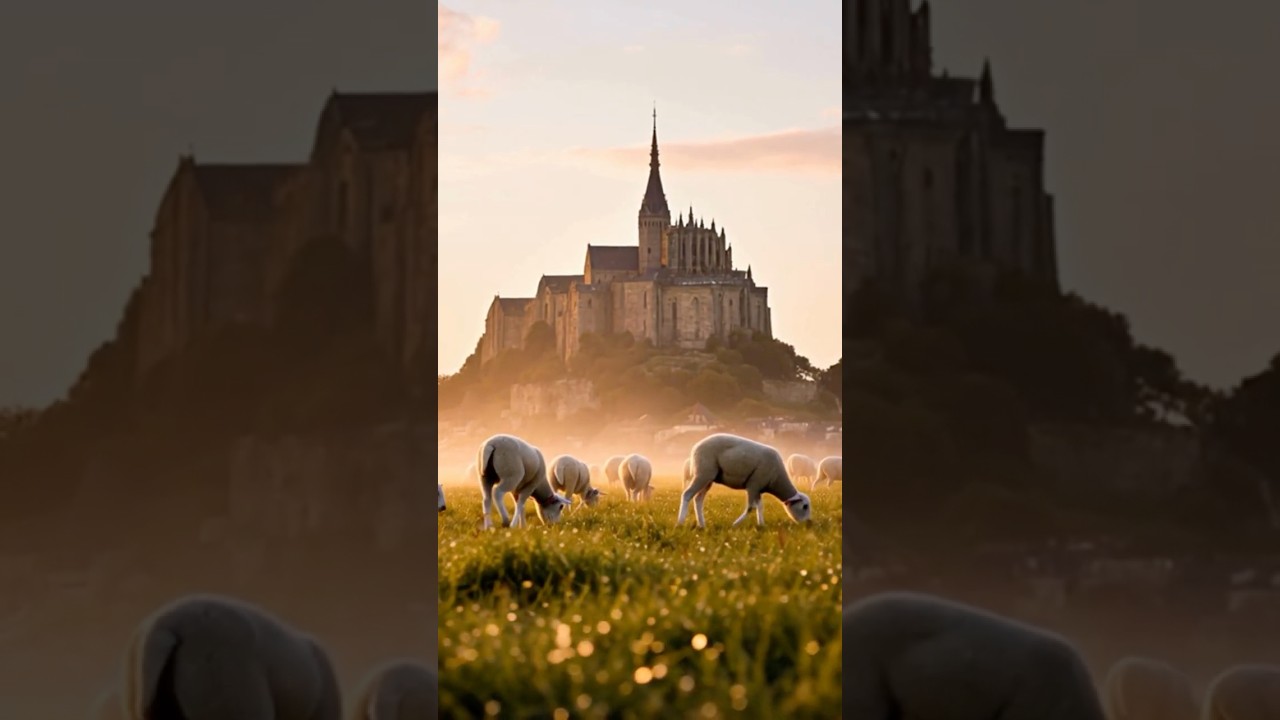
Take, for example, Agneau de pré-salé, a gastronomic heritage from the French regions surrounding Mont-Saint-Michel and Somme.
Along the Normandy coast, salt meadows rich in iodine support over sixty varieties of wild herbs, which subtly influence the lamb’s flavour, tenderness, and succulence.
Unlike other traditions, these lambs are raised for longer, allowing the environment to fully shape their character.
In Mont-Saint-Michel, sheep breeding dates back to the 11th century, when monastic communities held the prerogative to select the finest stock from each farm—thus establishing and preserving standards of taste.
Whether through the Appellation d’Origine Contrôlée in France, the Denominazione di Origine Protetta in Italy, or other geographical indications across the world, terroir forms the foundation of the origin labels behind the foods and drinks we cherish. #gourmet #food #luxuryfood #luxuryhistory #artisanfood #agneaudepresale