
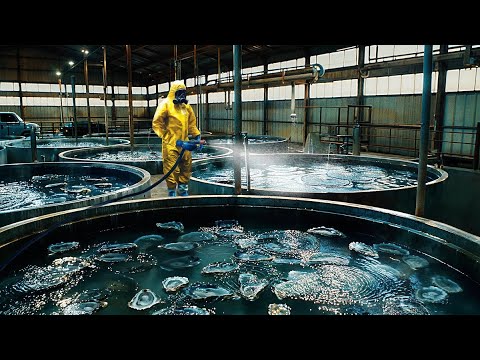
This is Why Hokkaido Scallops are So Expensive – Modern Aquaculture
Explore the secrets behind the high price of Hokkaido scallops in “This is Why Hokkaido Scallops are So Expensive – Modern Aquaculture.” Discover the intricate aquaculture techniques, the meticulous harvesting process, and the exceptional quality that makes Hokkaido scallops a premium delicacy. Learn why these scallops are a sought-after treasure in the seafood world. Keywords: Hokkaido scallops, expensive seafood, aquaculture, harvesting scallops, premium scallops.
[Music] have you ever wondered why Hokkaido scallops command such a high price tag of over $390 per kilogram at the market with inflation raging everybody’s watching their budget and if you do go out to eat you want to get what you’re paying for especially when it’s something expensive like scallops it’s not just hype we will explore the world of modern aquaculture and discover the fascinating reasons behind the premium quality and limited supply of these tasty Hokkaido scallops Japan is seeking to turn to South Korea and the European Union into new export markets for scallops this video will uncover the secrets behind their cultivation process the unique environment in which they Thrive and the challenges that contribute to their exclusivity join us as we reveal why Hokkaido scallops are so expensive modern aquaculture Hokkaido Japan’s northernmost island is celebrated for its pristine natural environment and exceptional Seafood quality and of course Japan is known for seafood but Hokkaido is known within Japan for seafood Hokkaido scallops are remarkably esteemed among its Marine Delicacies for their Superior taste texture and overall quality today I’m going to be learning all about the famous Hokkaido scallops also known as hotate in Japanese and they’re known for their sweetness freshness and metin this reputation is mainly due to the unique environmental conditions of Hokkaido especially its cold nutrient-rich Waters and clean marine environment surrounded by cold and nutrient-rich Waters Hokkaido benefits from the convergence of the oyashio current from the Arctic and the tsushima current from the south this intersection creates an environment teaming with Plankton and other microorganisms the primary food sources for scallops the cold temperatures typically between 2° C and 15° C slow the metabolic rate of scallops resulting in a firmer texture and more concentrated flavors this cold water habitat is essential for developing the unique sweetness and Umami that distinguish Hokkaido scallops the marine environment around Hokkaido is exceptionally clean with minimal industrial pollution and stringent environmental regulations so when you thaw them they actually maintain the same quality the same texture and pretty much the same flavor like you can’t really tell the difference regular monitoring ensures that the waters remain free from contaminants preserving the natural habitat and promoting the Healthy Growth of marine life the pristine Waters contribute to the purity of Hokkaido scallops ensuring they are free from harmful substances and providing a safe and high-quality product for consumers hokkaido’s distinct seasonal changes also play a significant role in the life cycle of scallops during the Spring and Summer nutrients from melting snow enrich the coastal Waters boosting Plankton growth and providing abundant food for scallops in Winter colder temperatures enhance the scallops firm texture and slow their growth allowing them to develop a richer more complex flavor profile this natural cycle ensures that Hokkaido scallops are harvested at their Peak offering the best possible quality the cold temperatures and nutrient-rich Waters of Hokkaido significantly contribute to the scallops flavor profile the slow growth rate in cold water allows the scallops to accumulate glycogen which impart s a natural sweetness the highquality Plankton diet enhances the scallops Umami taste creating a rich and savory flavor highly prized by chefs and seafood connoisseurs worldwide the resulting firm dense texture holds up well to various cooking methods from searing and Grilling to sushimi and Ceviche adding to their culinary versatility and appeal moreover Hokkaido scallops are known for their large size and pristine appearance not many people really know what a sea scalp looks like fresh out of the ocean well here it is and as you can see these babies are still alive the optimal growing conditions allow scallops to reach substantial sizes with uniform creamy white flesh free from blemishes this visual appeal and Superior taste and texture make Hokkaido scallops a preferred choice for premium seafood dishes so you use Hokkaido scallops is there any particular reason why you prefer scallops from Hokkaido haido is just a a bounty right it’s it’s just got everything the success of Hokkaido scallop farming is also attributed to sustainable practices that protect the environment and ensure the industry’s long-term viability Farmers employ techniques such as rotational harvesting which allows scallop beds to regenerate and prevents over fishing using environmentally friendly aquaculture methods including biodegradable materials and selective breeding helps maintain the ecological balance and supports the health of the Marine ecosystem scallops act much like an oyster or muscles cleaning the ocean’s water as it grows through the combination of Ideal environmental conditions and sustainable farming practices okido has established itself as a leading producer of some of the finest scallops in the world these scallops Delight the pallet and exemplify the harmonious relationship between nature and aquaculture offering a model for sustainable Seafood production [Music] with the pristine environment of Hokkaido playing such a crucial role in the growth of these scallops what Innovative aquaculture techniques are employed how do these methods like hanging and bottom culture contribute to caring for scallops from larv to harvest stay tuned as we delve deeper into the advanced farming techniques that bring these scallops to your table Hokkaido is renowned for its pristine Waters and the Innovative aquaculture techniques employed in scallop cultivation the cultivation of Hokkaido scallops begins with carefully managing their life cycle starting from larvi scallop larv are initially cultivated in hatcheries where conditions are closely monitored to ensure optimal growth the larv are fed a nutrient-rich diet and maintained in clean water to promote healthy development after reaching a specific size the juvenile scallops known as spat are transferred to ca farms for further growth once the spat is strong enough they are introduced to Hanging or bottom culture systems these methods provide different environments that cater to the Natural behaviors and needs of the scallops ensuring they develop into highquality adults ready for Harvest next is the hanging culture also known as the suspended culture Hokkaido scallops achieve their premium quality through a unique and timeconsuming hanging method young scallops are carefully drilled and strung onto lines then suspended in the ocean from long lines this ingenious setup utilizes hokkaido’s cold Plankton Rich Waters to the scallops advantage [Music] they can efficiently filter feed as they dangle freely in the current promoting Healthy Growth however this method requires meticulous maintenance by farmers who ensure optimal water flow remove debris and adjust the line’s positions this labor intensive process coupled with the growing period of around 2 years contributes to The Limited availability and high price tag associated with these prized Hokkaido scallops but scallops are a significant part of the state’s fishing economy last year the catch was worth nearly $7 million the hanging method is particularly beneficial in areas with strong currents as water movement helps in the natural filtration and feeding process this hanging method is a patient process the scallops can take around 2 years to reach their desired size and premium quality during this time Farmers meticulously maintain the lines [Music] this includes removing debris that might accumulate on the shells and adjusting the depth or position of the lines as needed the hanging method offers several advantages keeping the scallop suspended gives them access to better water flow and a constant fresh food supply the elevation also helps protect the scallops from bottom dwelling predators that might threaten them on the seabed farmers regularly Monitor and clean the mesh bags to prevent biofouling and ensure the scallops can access ample food this meticulous care results in consistent size shape and Superior Quality scallops bottom culture involves placing the scallops directly on the seabed where they grow in a more natural [Music] setting this method is suited for areas with suitable seabed conditions and provides the scallops with an environment that closely mimics their natural habitat farmers use Nets or cages to protect the scallops from predators and to manage their population density bottom culture requires careful sight selection to ensure the seed is clean and nutrient-rich the farmers periodically check the scallops and the seabed conditions adjusting their strategies to optimize growth this method allows scallops to develop a robust texture and unique flavor profile attributed to their direct interaction with the natural seabed the cultivation of Hokkaido scallops has seen significant Tech technological advancements that enhance efficiency and product quality modern aquaculture employs automated feeding systems water quality monitoring and disease management techniques these Technologies help maintain optimal conditions throughout the scallops life cycle reducing mortality rates and ensuring consistent growth automated feeding systems deliver precise amounts of food reducing waste and ensuring that scallops receive the necessary nutrients water quality monitoring involves sensors and data analytics to continuously track parameters such as temperature salinity and oxygen levels allowing Farmers to make real-time adjustments disease management techniques including probiotics and selective breeding help prevent outbreaks and maintain the health of the scallop population [Music] skilled Farmers play an important role in this process combining their expertise with technological tools to ensure the scallops grow to their full potential their knowledge of local environmental conditions and scallop biology allows them to fine-tune cultivation practices producing the highest quality product the farmer’s dedication to maintaining sustainable and ethical practices also contributes to Hokkaido scallops overall success and reputation the scallop industry is changing though as fishermen become Farmers 207’s Beth macavoy went to ponop Scot Bay to learn more now that we understand the advanced farming techniques how do we ensure that each scallop maintains its premium quality from Ocean to Plate what role do rigorous inspections and certifications play in defining the premium status of Hokkaido scallops join us as we explore the stringent quality control measures that Safeguard these Marine Delicacies the rigorous quality control measures in scallop farming most scallops sold at restaurants in Maine are wild caught but there is growing interest now in farming scallops along Main’s Mid Coast and down east area are designed to ensure that each scallop meets the highest quality and safety standards these measures begin long before the scallops are harvested with regular monitoring of the farming environment including water quality temperature and salinity levels ensuring that the water is free from pollutants and harmful microorganisms is critical to the health of the scallops scallops are carefully collected during harvesting to minimize stress and damage with timing optimized to coincide with the best environmental conditions and gentle methods to avoid harming the scallops proper handling at this stage is crucial for maintaining quality and freshness once harvested scallops undergo an initial inspection to check for Visible signs of damage or disease including examining shells for cracks and ensuring the scallops are alive and healthy any that do not meet the criteria are immediately discarded grading and sorting the scallops based on size weight and overall quality ensure uniformity in the product for Consumer satisfaction and compliance with Market standards testing for contaminants is a critical part of the process involving checks for harmful bacteria such as ecoli and vibrio and environmental toxins Advanced laboratory techniques including microbiological assays and chemical analyses are used to detect even Trace Amounts of contaminants scallops are immediately chilled or frozen to maintain freshness after harvesting and initial [Music] inspection preservation methods such as blast freezing or vacuum packing are carefully controlled to retain the scallops texture flavor and nutritional value while continuously monitoring temperature control sensory evaluation by trained experts assesses the scallops for Taste texture and appearance ensuring they meet safety standards and consumer expectations for premium Quality Seafood the final stage involves obtaining certifications from relevant food safety and quality assurance organizations certifications such as those from the Marine Stewardship Council MSC or other recognized bodies guarantee that the scallops have been farmed and processed according to stringent International standards regular Audits and inspections by these organizations ensure ongoing compliance before reaching the market scallops are carefully packaged and labeled with information about their origin harvest date and certifications ensuring traceability and consumer confidence in the products quality and safety quality control in scallop farming is an ongoing process most of you watching it probably had gallops at some point but have no idea where they come from Farmers and processors continually seek to improve their methods based on the latest research technological advancements and feedback from regulatory bodies this commitment to continuous Improvement helps maintain the highest standards in the industry ensuring that scallops are safe fresh and of the highest possible [Music] quality meeting regulatory standards and consumer expectations maintaining scallops freshness is important for ensuring their quality flavor and safety freshness is not only a key determinant of the scallops taste and texture but also a crucial factor in preventing the growth of harmful bacteria and pathogens fresh scallops are more appealing to Consumers and command a higher market price reflecting their superior quality several methods are employed to preserve the freshness of scallops after harvest one of the primary techniques is immediate [Music] chilling once harvested scallops are quickly brought to low temperatures to slow down microbial growth and enzymatic activity that can lead to spoilage this is often done through ice packing or Refrigeration on site another effective method is blast freezing where scallops are rapidly Frozen at extremely low temperatures this process forms tiny ice crystals which help preserve the cell structure of the scallops maintaining their texture and nutritional value upon [Music] thawing vacuum packing also extends shelf life by removing air from the packaging thereby reducing the risk of oxidation and bacterial growth modified atmosphere packaging map is another Advanced technique where the air inside the packaging is is replaced with a specific gas mixture such as nitrogen or carbon dioxide to inhibit spoilage further certifications play a vital role in guaranteeing the premium status of scallops these certifications are provided by recognized food safety and quality assurance [Music] organizations uring that the scallops have been farmed harvested and processed according to stringent standards for inance the Marine Stewardship Council MSC certification indicates that the scallops come from a sustainable and well-managed fishery this certification is highly regarded in the industry and among consumers prioritizing sustainability other certifications such as those from the aquaculture Stewardship Council ASC further affirm the ethical and environmental standards met in the cultivation of Hokkaido scallops with such meticulous quality controls in place what drives the the high Global demand for Hokkaido scallops how do these factors influence their pricing in international markets keep watching as we uncover the economic Dynamics and consumer appeal that sustain the high value of these scallops Hokkaido scallops have developed a high Global demand particularly in Gourmet Cuisine renowned for their exceptional taste and texture these scallops have become a sought-after delicacy in top restaurants worldwide chefs prize Hokkaido scallops for their sweet flavor tender yet firm flesh and impressive size making them a standout ingredient in various culinary Creations from Sashimi to sophisticated Western dishes that’s basically the worst thing you can do for a scallop you need to keep them super super dry even when you’re washing them you’re just dipping them in and out of the water really really quick cuz they absorb moisture the high demand for Hokkaido scallops is driven by their unique qualities which are a direct result of the pristine Waters around Hokkaido Japan these Waters provide an ideal environment for scallop farming contributing to the scallops premium characteristics as a result Hokkaido scallops are often featured in high-end dining establishments and Gourmet markets where Discerning consumers are willing to pay a premium for their superior quality several economic factors influence the price of Hokkaido scallops one of the primary factors is limited [Music] Supply the production of Hokkaido scallops is subject to Natural constraints including environmental conditions and sustainable farming practices to preserve the Marine ecosystem this limited Supply coupled with the growing Global demand naturally drives up prices high production costs also significantly influence the pricing of Hokkaido scallops the meticulous farming process involves significant investment in infrastructure labor and quality control measures ensuring that the scallops meet the highest quality standards requires Advanced Techniques and constant monitoring which adds to the overall production costs moreover the logistics of transporting fresh scallops from Hokkaido to Mar market around the world require specialized handling and Rapid delivery methods to maintain freshness further contributing to the cost another important economic factor is the reputation of Hokkaido scallops for their exceptional taste and texture this reputation is built on consistent quality and the unique characteristics imparted by the natural environment of Hokkaido as a result kaido scallops command a higher price than other scallops on the market their status as a premium product is reinforced by endorsements from top chefs and food critics who often highlight Hokkaido scallops in their culinary creations and reviews the high Global demand for Hokkaido scallops particularly in Gourmet Cuisine is driven by their exceptional taste and texture and limited Supply economic factors such as high production costs and their renowned reputation contribute to the premium price these scallops [Music] command as a result Hokkaido scallops remain a highly coveted delicacy in the world of fine dining symbolizing luxury and Superior Quality as we’ve seen the global impact of Hokkaido scallops how do chefs around the world showcase their unique qualities what makes these scallops a favorite in luxurious dining experiences across the globe stay with us as we celebrate the culinary Excellence of Hokkaido scallops in the next chapter Hokkaido scallops are celebrated for their culinary versatility and appeal making them a favorite ingredient in various dishes their unique sweetness firm yet tender texture and substantial size allow chefs to experiment with different cooking methods and flavor profiles showcasing their adaptability in simple and complex recipes renowned chefs often highlight the versatility of Hokkaido scallops in their culinary Creations for example Chef Nobu matsuhisa famed for his Innovative Japanese Peruvian Fusion Cuisine frequently features Hokkaido scallops he emphasizes their natural sweetness and delicate texture which pair well with raw and cooked preparations [Music] one of his favorite recipes is Hokkaido scallops with jalapeno salsa where the raw scallops are thinly sliced and topped with a Tangy and spicy salsa that enhances their natural flavors another acclaimed chef Thomas Keller known for his beautiful French cuisine often incorporates Hokkaido scallops into his menus at The French Laundry Keller prefers to sear the scallops to create a caramelized crust while maintaining their tender interior his seared Hokkaido scallops with cauliflower puree and caviar is proof of their luxury status the rich creamy puree and the salty pop of caviar Elevate the dish highlighting the scallops premium quality beautifully plated scallop dishes further emphasize why Hokkaido scallops are considered a luxury item and a staple in fine dining establishments the visual presentation of these dishes is just as important as The Taste and chefs take great care to create visually stunning plates that entice the eyes and the pet beautiful crusted on the top nice and crunchy and crispy and then miat perfectly tender really really soft for instance a dish like Hokkaido scallop Carpaccio with truffle oil and micro greens showcases delicate slices of scallops and incorporates luxurious ingredients like truffle oil adding an extra layer of luxury in fine dining the plating of Hokkaido Scout scallops often involves artistic Arrangements chefs use colorful garnishes and sauces to complement the scallops pristine white flesh creating a visual Feast a dish like Hokkaido scallops with butternut squash puree pomegranate seeds and edible flowers exemplifies this approach the bright orange puree and red pomegranate seeds contrast beautifully with the scallops while edible flowers Add A Touch of Elegance the luxurious status of Hokkaido scallops is also reinforced by their scarcity and the meticulous effort required in their production these scallops are harvested from the cold pristine Waters of Hokkaido Japan where the environment contributes to their exceptional quality the combination of limited supply high production costs and their renowned taste and texture means that Hokkaido scallops command a premium price solid ifying their position as a luxury ingredient in The Culinary World The Culinary uses of Hokkaido scallops are vast and varied highlighting their versatility and appeal in numerous dishes interviews with renowned chefs reveal favorite recipes and techniques that showcase the scallops unique qualities the beautifully plated dishes further emphasize their status as a luxury item making Hokkaido scallops a staple in fine dining establishments worldwide their exceptional taste texture and visual appeal continue to Captivate chefs and diners ensuring their enduring popularity in Gourmet cuisine