
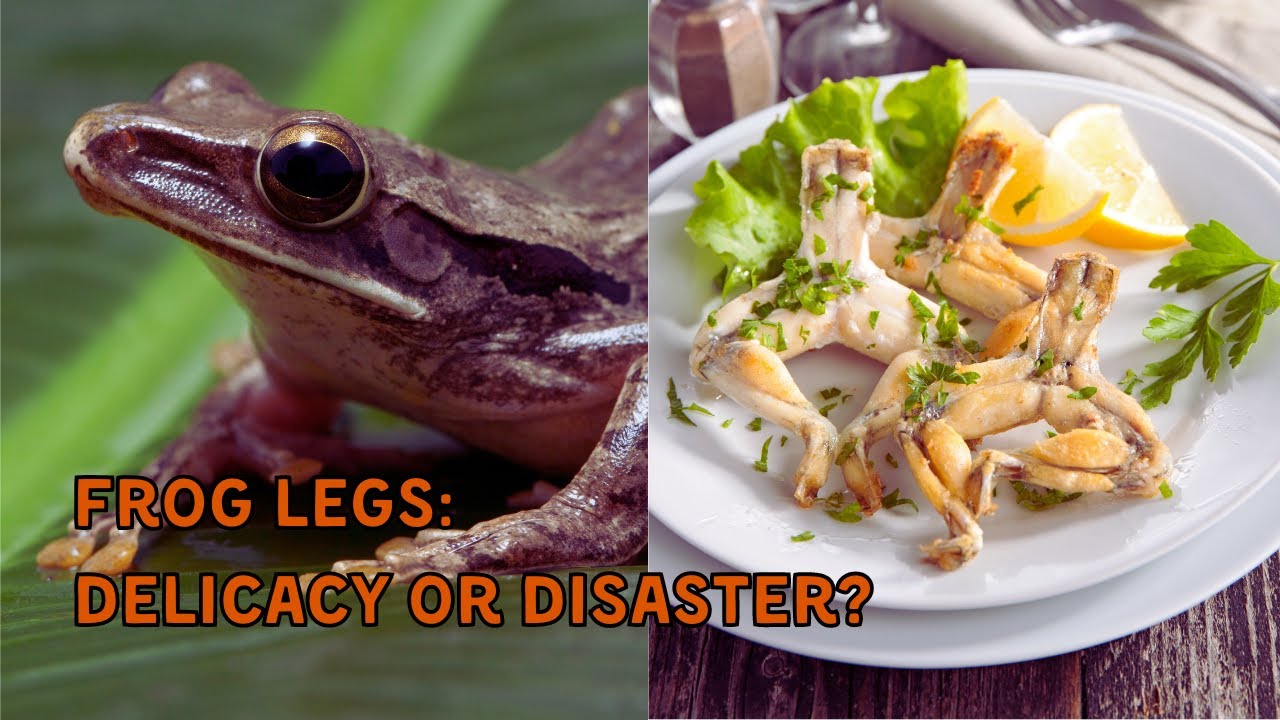
Explore the intriguing world of French cuisine with our deep dive into one of its most unique ingredients – frog legs. This delicacy, rooted in medieval France, has journeyed from monastic sustenance to aristocratic luxury, becoming a staple by the 19th century. In this video, we unravel the historical significance of frog consumption and its evolution within French culinary traditions.
We’ll take you through the meticulous process of procuring and preparing frog legs, highlighting traditional French cooking techniques like the sumptuous sauté in buttery garlic sauce and the classic frog legs Provençal.
However, the popularity of frog legs comes with ecological ramifications. We discuss the decline in native frog populations, the rise of frog farming, and the challenges it presents, including maintaining water quality and disease control. Learn why frogs are vital environmental indicators and how overharvesting impacts ecosystems.
Dive into this culinary journey, and don’t forget to like and share this video to spread the word about sustainable eating practices!
🔗 Related Videos:
https://www.youtube.com/channel/UCe6DUJYiTBGqK9T23-9nFfg
Chapters:
00:00:00
A Frog’s Leap into French Cuisine
00:01:24
Preparing Frog Legs, the French Way
00:03:08
A Delicate Balance
00:04:37
The Environmental Price of Palate Pleasure
👇 Let’s Connect!
Share your thoughts and questions in the comments below. What other historical culinary journeys would you like us to explore?
#froglegs #france #frogs
[Music] the French have a long and dare we say relationship with frogs these amphibious creatures often viewed with indifference or even disdain in other cultures hold a place of peculiar esteem in the French culinary landscape indeed to utter quis de grui in certain circles of France is to evoke a sense of gastronomic intrigue a nod to a time honored tradition that speaks of rustic charm and sophisticated pallets the historical roots of frog consumption in France are a tad murky much like the ponds from which these green Delicacies once sprung with abundance some food historians those Intrepid explorers of culinary lore posit that frogs hopped onto the French menu sometime in the Middle Ages monks those resourceful stewards of the land are often credited with pioneering this culinary Quirk turning to frogs as a readily available source of protein during lean times fasting dictates it seems have a way of broadening culinary Horizons whatever their Origins frog legs eventually hopped beyond the monastery walls and into the kitchens of the French peasantry over time this humble peasant Fair made its way up the social ladder eventually landing on the tables of the aristocracy by the 19th century frog legs had cemented their place in the French culinary Cannon celebrated in literature and immortalized in countless brasseries and bastos across the land there is an art to Preparing frog legs a certain that elevates this seemingly simple ingredient to a culinary delicacy the process begins of course with procuring the legs typically from specially bred frogs rather than their wild counterparts these legs plump and pearly white arrive at the kitchen prepped and ready for their transformation the French masters of culinary finesse employ a variety of techniques to coax out the delicate flavor of frog legs sautéing often in a Buttery garlic sauce remains a perennial favorite a testament to the French pension for simple yet elegant preparations the result is a dish that is both visually appealing and delectably tender the legs yielding to the slightest pressure of the fork their subtle almost sweet flavor enhanced by the richness of the sauce for those seeking a more adventurous culinary experience there are frog legs provansal bathed in a vibrant tomato sauce and seasoned with herb de provance a fragrant blend of rosemary thyme and oregano this dish bursting with Mediterranean Sunshine offers a delight ful interplay of textures and flavors the tender frog legs providing a Counterpoint to the slight acidity of the tomato sauce and who can resist The Rustic charm of frog legs fried to a crispy golden brown served with a side of ioli that garlicky mayonnaise that is a staple of French cuisine whether sauteed fried or simmered in a fragrance sauce frog legs are a testament to the French culinary Spirit a willingness to embrace the unusual to transform the seemingly mundane into something extraordinary it is this spirit this commitment to culinary exploration that has made French cuisine the Envy of the world a constant source of inspiration and Delight the insatiable French appetite for frog legs however has not been without its consequences once teeming with frogs French ponds and waterways have witnessed a decline in Native populations a testament to the pressures of over harvesting and habitat loss to meet the demands of discerning pallets Francis turned to a combination of frog farming and imports a delicate Balancing Act between satisfying culinary traditions and ensuring ecological sustainability frog farming a relatively new industry in France aims to provide a more controlled and sustainable alternative to wild caught frogs these Farms often resembling giant rice patties provide a suitable habitat for frogs to thrive albeit in a more confined environment than their wild counterparts while frog farming addresses some of the concerns associated with wild harvesting it is not without its own of challenges maintaining water quality preventing disease outbreaks and ensuring the welfare of these captive amphibians require careful management and oversight despite the growth of frog farming France still relies heavily on Imports to satisfy its frog leg Cravings Indonesia Vietnam and turkey have emerged as major suppliers their frog Farms satisfying the French demand for this culinary delicacy the globalization of the frog leg trade however raises concerns about traceability and ethical sourcing ensuring that imported frog legs meet French standards of quality and sustainability remains an ongoing challenge the Journey of frog legs from pond to Plate while seemingly straightforward is fraught with ecological implications frogs those amphibious barometers of environmental health are particularly sensitive to changes in their surroundings the decline of frog populations both in France and globally serves as a Stark reminder of the interconnectedness of our food choices and the health of our planet habitat loss driven by urbanization Agriculture and pollution poses a significant threat to frog populations worldwide as wetlands are drained forests cleared and waterways contaminated frogs lose their breeding grounds their sources of food and ultimately their ability to survive the decline of frogs reverberates throughout the ecosystem disrupting the delicate balance of predator and prey relationships impacting insect population and ultimately diminishing biodiversity over harvesting driven by the demand for frog legs further exacerbates the plight of wild frog populations while regulations are in place in many countries to manage frog harvests enforcement remains a challenge and illegal trade persists the removal of large numbers of frogs from their natural environment can have cascading effects on local ecosystems disrupting food webs and potentially leading to the decline of other species that rely on frogs for sustenance
1 Comment
Wow! I didn't know my palate was sophisticated. I love frog legs. Being from the South in the US, frog legs are considered a delicacy in places. They are farmed in Louisiana and other places. Have taken frog legs over many other things. Love 'em, any way I can get them. Cheers from Tennessee