
History
The origins of French toast are not definitively known, but it has been traced back to ancient times and appears in various cultures around the world. The dish likely originated as a way to use up stale bread rather than letting it go to waste. The French call it “pain perdu,” which translates to “lost bread,” reflecting this idea of repurposing stale bread.
The earliest known reference to a dish resembling French toast comes from a collection of Latin recipes attributed to Apicius, a Roman gourmet believed to have lived in the 1st century AD. In his recipe, slices of bread are soaked in milk, then fried and drizzled with honey.
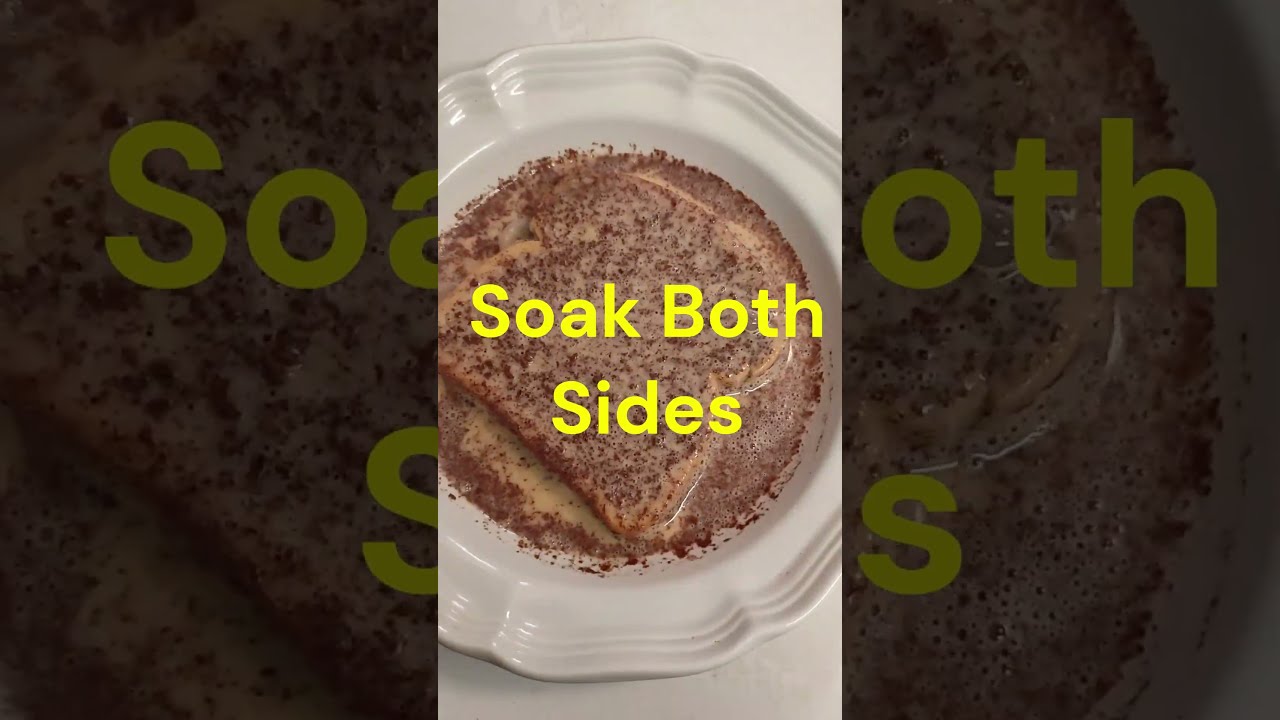
Similar dishes can be found in various cuisines, including the German “Arme Ritter,” the British “eggy bread,” and the Spanish “torrijas.” Each culture has its own variations and methods of preparation, but the basic concept of soaking bread in a mixture of eggs and milk before cooking remains consistent.
The term “French toast” is believed to have originated in 17th-century England. The dish was called “French” because it was associated with a culinary technique called “Frenching,” which meant slicing food thinly and soaking it in a mixture of eggs and milk before cooking. In this case, the bread was “Frenched” by soaking it in the egg and milk mixture before frying.
Ingredients
1 Egg
1/4 Cup Milk
1 Teaspoon Cinnamon
1/2 Teaspoon Vanilla Extract
1 Tablespoon Butter
4 Slices of Texas Toast is Preferred (Any Flat Bread Works As Well)
https://www.youtube.com/channel/UC3wS5ulOqtEf2wHyxO7nX8w?sub_confirmation=1