
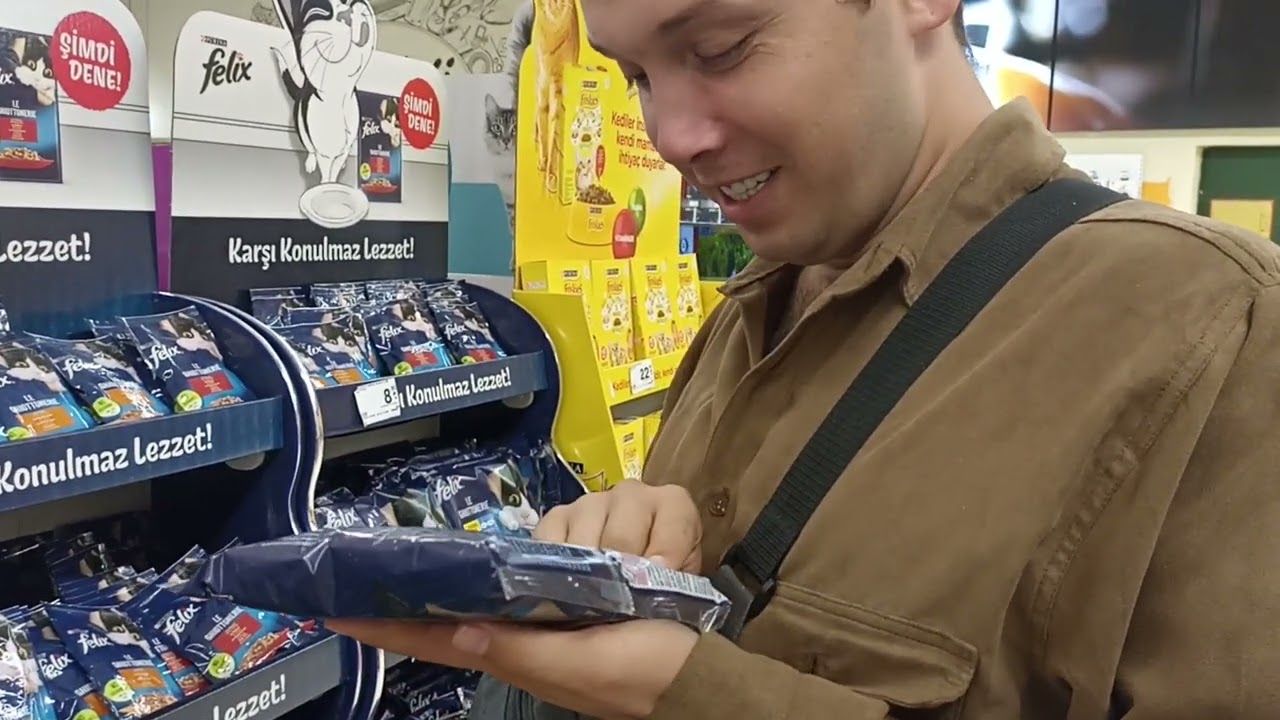
In Turkey, historically, food was bought and sold at small local bazaars and shops called “bakkals”. However, nowadays hypermarket model is starting to establish itself. There are still around 90,000 such operations nationwide.
These tiny outlets that are called “bakkals” are similar to convenience stores found in other nations in that they offer a collection of essential products in local locations. In the vast majority, these are family owned and are not operated by any major corporation, even as franchises.
Yet, supermarkets, particularly discount stores, are securing more and more retail space across Turkey. Chains such as BİM A.Ş, A101, and Migros Ticaret A.Ş have invested heavily in brick-and-mortar operations and opened up hundreds of new shops over the past year.
It is thought that by the end of the next decade, the Turks will buy their food from supermarkets, or chain-owned stores, as urbanization and a desire for convenience become significant market drivers.
As of 2016, the top 141 Turkish supermarket chains controlled 24,671 outlets across the country. It is these companies that often feature luxury or imported goods on their shelves, meaning exporters looking to enter Turkey’s $5 billion import market should keep these grocers in mind.
Before we begin detailing the major supermarket players it is worth noting that the Turkish supermarket sector is more fragmented than other developed nations. The custom of purchasing and consuming fresh food on the day is still extremely culturally relevant. This means open-air bazaars and smaller local outlets called bakkals account for a sizable slice of the food retail market
While it is true Turkey is moving towards a more westernized approach to grocery retailing, bakkals remain firm favorites for Turkish shoppers. It is in the larger, chain stores, that foreign products are sold so keep this in mind if you’re planning an expansion into Turkey.
Migros Ticaret has a total of 1,605 stores, 232 of which were opened in 2016. The vast majority of these are in Turkey. Only 39 outlets are run outside of Turkey.
The chain directly imports its goods, while also working with importers on more niche or luxury items.
While BİM’s operations are concentrated firmly on discount sales, Migros Ticaret has taken a more varied approach to grocery retailing. The group, owned by Turkey’s Anadolu Endustri Holding, splits its food operations across three brands.
Migros covers super and hypermarket sales, while discount stores operate under the Tansas umbrella with Macro Center being responsible for more up-scale “gourmet” options.
The company is also notable for originating as a joint venture between Swiss-based Migros Co-operatives and the Istanbul Municipality – demonstrating just how successful foreign firms can be in Turkish food retailing.
Migros Ticaret A.Ş. is one of the biggest chains of supermarkets in Turkey.
Together via Migros supermarkets, Şok discount stores, international Ramstore shopping centers, online shopping, wholesale stores, and mobile sales units, Migros Turkey serves an estimated 160 million customers.
of Nov 2014, the company operates a total of 1,156 stores: 852 Migros stores, 212 Tansaş stores, 24 5M stores and 27 Macro Centers stores in Turkey, 41 Ramstores in Kazakhstan and Macedonia, according to its web site.
News reports in February 2008 indicated that BC Partners has agreed to buy Migros Turk in Turkey’s biggest-ever leveraged buyout.
The London-based firm will trade Koc Holding 1.98 billion TL for a 51 percent stake in Migros Turk. Later BC increased its stake to 98 percent. In 2011, the group sold approximately 20% back to public market investors.
BC Partners revealed in January 2015 that it would sell its 40.25 percent stake in its supermarket chain Migros to the Turkish conglomerate Anadolu Endustri Holding AS for around $2.74 billion.
The logo of Migros Turkey is similar to an older version of the Swiss Migros logo but uses dotted I, as the dotless I represent a different letter in the Turkish alphabet with phonetic value, a close back unrounded vowel.
in Switzerland, the supermarkets are categorized into three size classes of M, MM, and MMM but with another size 5M:
• M Migros supermarkets are selling basic groceries and a limited number of non-food products
• MM Migros stores offer a wider range of non-food articles besides the basic groceries
• MMM Migros stores have a larger product spectrum ranging from stationery to textile products, electric household appliances to bakeries, books, and cosmetics
• Additionally, there is a fourth class, the 5M Migros have the widest product selection and are found mostly in the Anatolian Tigers or tourist areas of the southwest coast, as well as in Ankara.
CarrefourSA is unique on this list, being a joint Turko-French operation.