
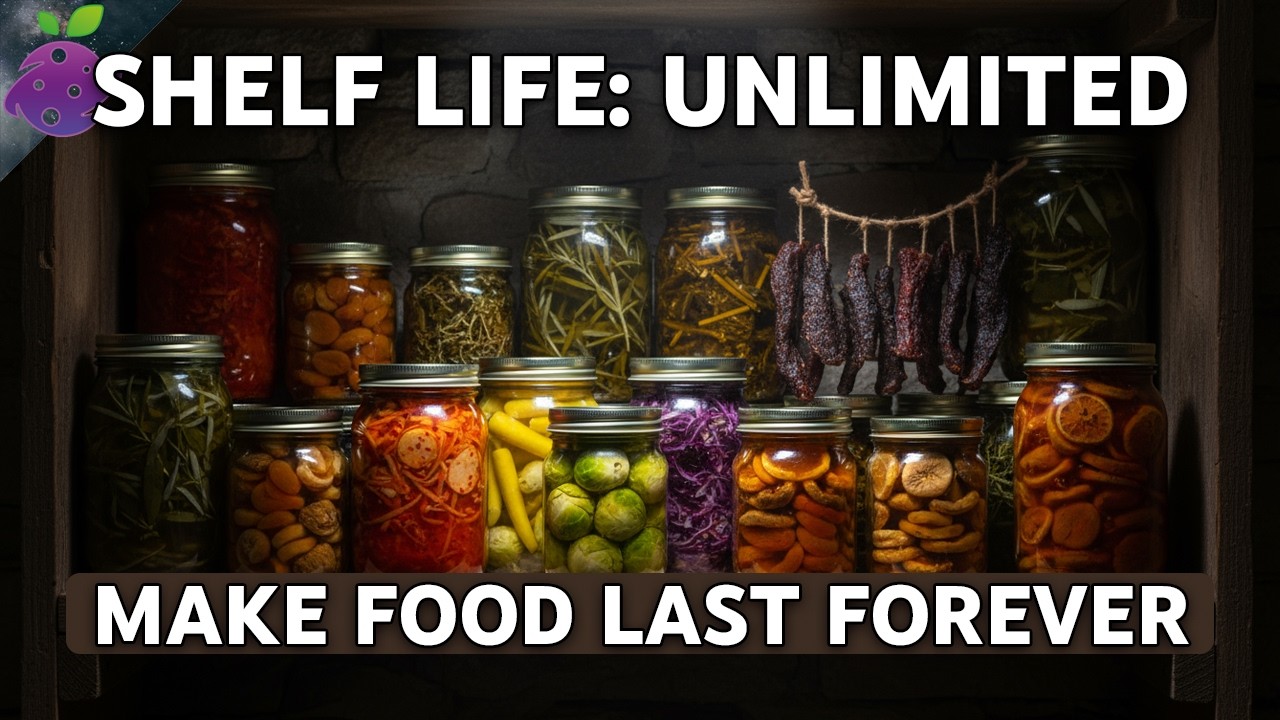
How to Master 15 Ancient Food Preservation Techniques at Home
Looking to preserve food without electricity, chemicals, or modern tools? In this episode, we break down 15 ancient food preservation methods that you can easily try at home, the same techniques used by civilizations to survive harsh winters, famines, blackouts, and even war.
You’ll learn how to preserve meat, vegetables, herbs, dairy, and fruits using fermentation, salt curing, dehydration, root cellars, oil, honey, vinegar, and more. These traditional techniques are perfect for preppers, homesteaders, survivalists, and anyone seeking off-grid food security, self-sufficiency, or a deeper connection to ancestral knowledge.
Each method is practical, low-tech, and surprisingly effective, no expensive gear required. Whether you’re prepping your pantry or simply rediscovering lost skills, these DIY preservation strategies are built to last.
🫙 Chapters & Preservation Methods
00:00 | Introduction
Why ancient preservation matters, and why it still works better than you think.
00:39 | Fermentation
Transform vegetables, dairy, and grains into long-lasting probiotics using just salt and time.
03:09 | Salt Curing
Preserve meat and fish for months using this age-old dehydration and microbial control technique.
05:17 | Root Cellaring
Store entire harvests of potatoes, carrots, beets, and more with no electricity.
07:56 | Smoking
Use cold or hot smoke to add flavor and extend the shelf life of meats, fish, and cheese.
10:51 | Dehydration
Remove moisture to prevent spoilage, one of the oldest and most versatile food-saving methods.
13:35 | Fat Preservation (Confit & Rillettes)
Seal cooked meat under a layer of fat to keep it shelf-stable for weeks or even months.
15:47 | Vinegar Preservation (Pickling)
Use acetic acid to kill bacteria and preserve everything from cucumbers to eggs.
18:25 | Honey Preservation
Nature’s only food that never spoils, great for preserving fruits and herbal medicines.
20:41 | Ash Preservation
An overlooked method for storing eggs and cheese by coating them in fine wood ash.
23:11 | Clay Pot Storage (Zeer Pots & Sealed Jars)
Use clay’s natural properties to cool, store, or ferment foods without modern refrigeration.
25:58 | Pressure Preservation (Underground Storage)
Ancient pit preservation techniques used to press and seal foods below ground level.
28:37 | Freeze Drying (Natural or Modern Methods)
Preserve texture, nutrients, and flavor using low temperatures, including snow, ice, and wind.
31:00 | Oil Preservation
Create anaerobic barriers that protect herbs, vegetables, and cheeses from spoilage.
34:16 | Spice Preservation
Use antimicrobial herbs and spices like mustard, turmeric, and clove to extend shelf life naturally.
36:51 | Sugar Preservation (Crystallizing, Syrup & Jam)
Preserve fruits and flowers using dense sugar barriers or boil them into shelf-stable jellies.
These 15 ancient methods are more than just survival tricks, they’re tested knowledge from across cultures and centuries. Whether you’re preparing for disaster, going off-grid, or trying to live more sustainably, these timeless preservation skills can outlast modern refrigeration, keep your pantry full, and help you build food resilience in a fragile world.
#FoodPreservation #AncientSkills #OffGridLiving #PrepperTips
10 Comments
I can't wait to finish this video I'm glad I found this YouTube channel y'all do great work I had to hype y'all video! All these vids y'all have made that I am learning from is so great! Y'all got it keep it up I know y'all gonna hit 100,000 and more subscribers! 😁 👍🏿
Tomatos. 🍅 🍅 🍅 🍅 🍅 🍅 🍅 🍅 🍅 🍅 🍅 🍅
The Amish place them in cold wood ashes,
completely covered. Good over the winter season.
The clay pot preservation was "quoted" from an south Asian / Indian source (most likely I believe). There is a re occurrent mistake that bay leaf is being translated to english from the word Tej Pat. Tej Pat has nothing to do with the western well known Bay Leaf. Two different herbs. Tej Pat and Neem leafs are well known natural insect repellents.
Ésto es un súper canal. Suscrito y like, muchas gracias por todo el conocimiento que comparten.
This channel is so interesting to watch i learn so much from you guys, Teach me alot thank you keep up with the vids
This video is so very interesting, as well as educational. As an older person, who lived in a 3rd world country for many years, I have used some of these methods – but not all! I shall be trying the others. Thank you! This video has made me subscribe to your channel!
What is the *** powder #1 I should order online to cure with salt?
I love learning all this stuff ❤❤❤
Some of the techniques are familiar while others are not. It will be fun to try new ways of preserving.
Which of these ancient preservation methods would you actually try at home?
Some of these techniques kept food edible for months, even years, before refrigeration ever existed.
Have you used any of these already? Or is there one you’re planning to test next?