
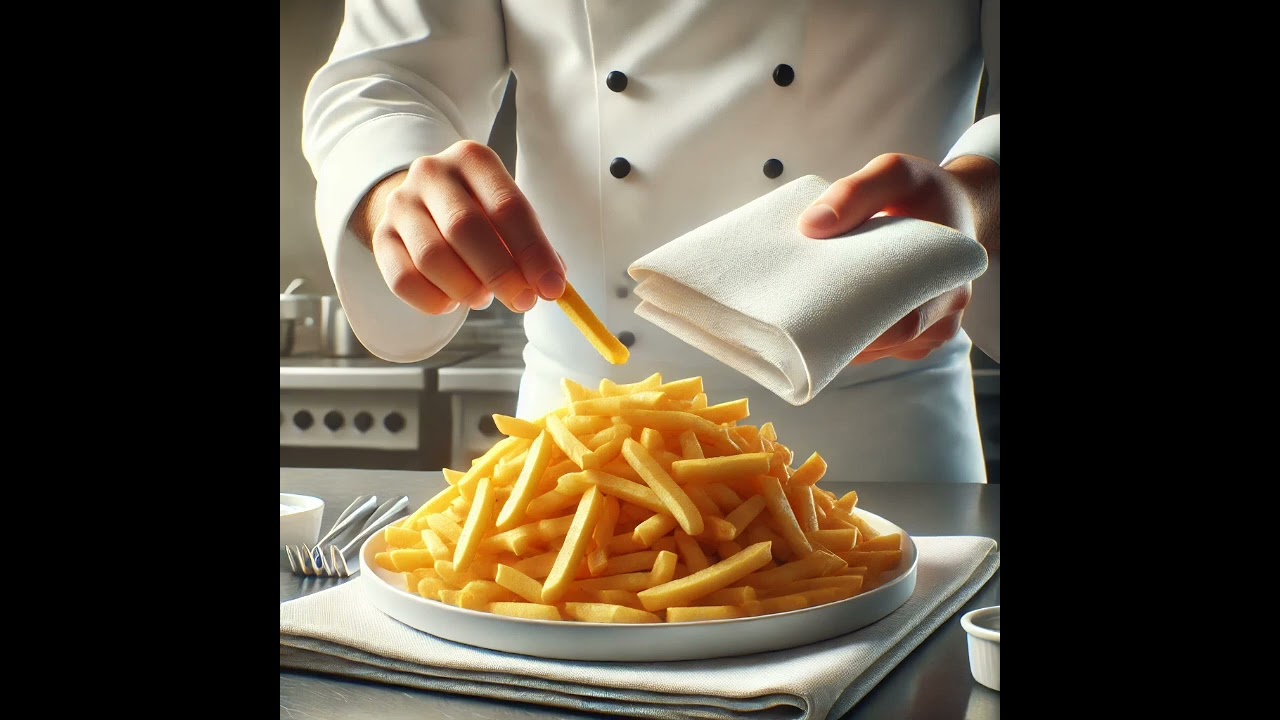
Golden Perfection: Mastering the Art of French Fries
French fries are an irresistible snack or side dish, loved for their golden exterior, fluffy interior, and universal appeal. But achieving the perfect fry—crispy on the outside and soft within—requires more than just tossing potatoes into hot oil. It’s a culinary craft that combines technique, science, and creativity.
Choosing the Right Potato
The journey to perfect French fries starts with the potato. Not all potatoes are created equal; starchy varieties like Russet or Idaho potatoes are ideal due to their low moisture and high starch content. These qualities ensure a fluffy interior and a crisp exterior. Waxy potatoes, while delicious in other recipes, tend to yield fries that are less crispy.
The Cut Matters
Consistency is key when cutting your fries. Uniform pieces cook evenly, avoiding the dreaded mix of overcooked and undercooked fries. Use a sharp knife or a mandoline for precision. Whether you prefer thin shoestring fries, classic straight cuts, or thick steak fries, ensure the size suits your cooking method.
Soaking: The Secret Step
One often-overlooked step is soaking the cut potatoes in cold water. This process removes excess surface starch, which can cause fries to clump or burn in the oil. A soak of 30 minutes to several hours (or even overnight) results in fries that crisp up beautifully. After soaking, thoroughly dry the potatoes to prevent splattering when frying.
Double Frying: The Golden Rule
The secret to achieving that signature crunch lies in double frying. The first fry, at a lower temperature (around 325°F/160°C), cooks the potatoes through without browning them. After draining and cooling, the fries are fried again at a higher temperature (around 375°F/190°C) to create that golden, crispy exterior. This method locks in the fluffy texture inside while ensuring a satisfying crunch with every bite.
Oil Selection and Maintenance
The type of oil you use significantly impacts the flavor and texture of your fries. Neutral oils with a high smoke point, like peanut, canola, or sunflower oil, are ideal. Maintain the oil temperature using a thermometer to avoid greasy or unevenly cooked fries. Straining and reusing oil can save costs but ensure it’s clean and not degraded.
Seasoning for Perfection
Seasoning French fries might seem straightforward, but timing and choice of seasoning can elevate your dish. Salt is a classic option, but experimenting with spices like paprika, garlic powder, or herbs can add flair. Always season immediately after frying, while the fries are still hot and slightly oily, to ensure the seasonings adhere.
Baked and Air-Fried Alternatives
For a healthier take, baking or air frying can yield impressive results. Toss cut potatoes with a light coat of oil and arrange them in a single layer on a baking sheet. Bake at 425°F (220°C), flipping halfway through, until golden and crispy. Air fryers, meanwhile, circulate hot air to mimic deep frying with minimal oil.
Creative Twists and Variations
French fries are a canvas for creativity. Experiment with toppings like cheese, chili, or truffle oil for gourmet flair. Sweet potato fries offer a slightly sweeter alternative, while seasoned fries, coated in a blend of spices and cornstarch, deliver an extra crunch. The possibilities are endless, from loaded fries with bacon and sour cream to poutine, a Canadian favorite topped with cheese curds and gravy.
Serving and Storing
French fries are best served immediately, as their crispiness diminishes over time. If you must store them, reheat in an oven or air fryer to restore some crunch. Avoid microwaving, which can result in soggy fries.
Conclusion
Mastering the art of French fries is a rewarding endeavor. With the right techniques, tools, and a dash of creativity, you can create fries that rival your favorite restaurants. Whether enjoyed on their own, paired with a burger, or dipped in ketchup, the perfect French fry is a universal delight that brings joy with every bite.
By understanding each step—from potato selection to cooking and seasoning—you’re well on your way to becoming a French fry connoisseur. So, roll up your sleeves, heat the oil, and let the golden
1 Comment
Have fun with your fries