
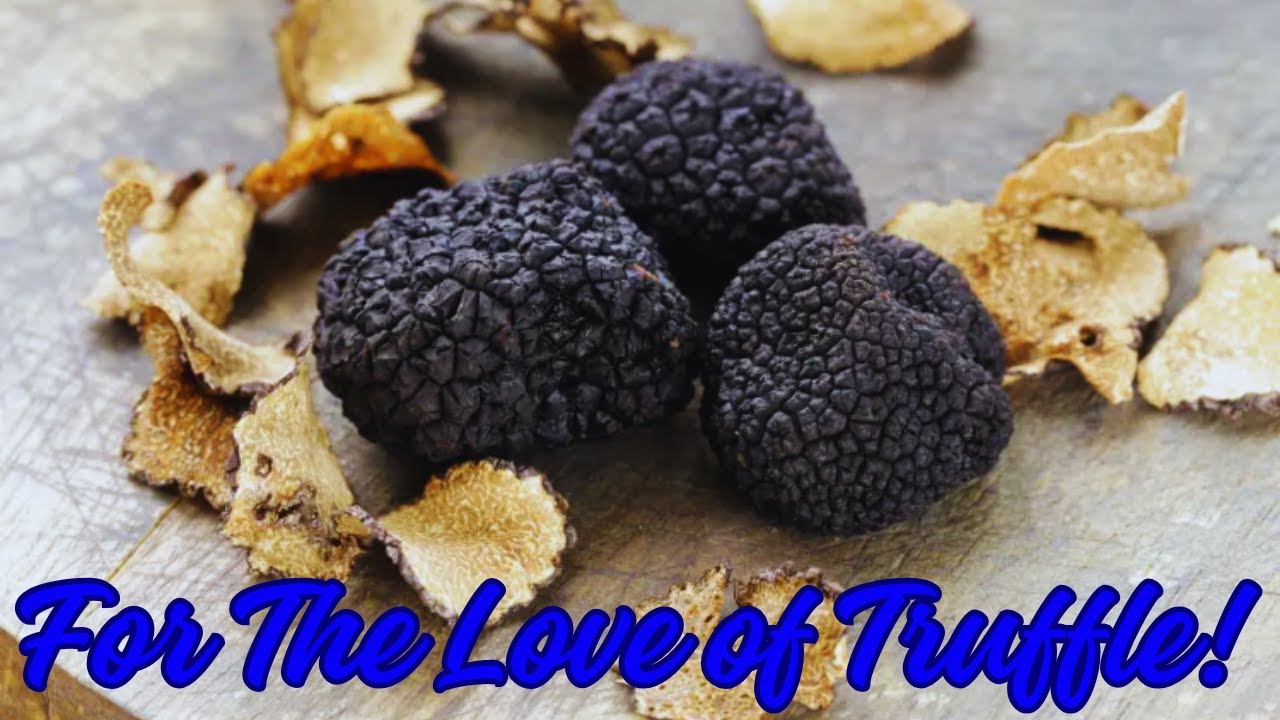
What Are Truffles?
Truffles are a type of edible fungus that grow underground, typically in association with the roots of certain trees. They belong to the genus Tuber and are known for their distinctive flavor and aroma, making them a highly sought-after ingredient in gourmet cuisine.
Characteristics of Truffles
Growth Environment:
Symbiotic Relationship: Truffles form mycorrhizal associations with the roots of specific trees, such as oak, hazelnut, and beech, aiding in nutrient absorption for both organisms.
Underground Growth: They develop a few inches to a foot below the soil surface, making them difficult to locate without assistance.
Types:
Black Truffles (Tuber melanosporum): Found mainly in France and Spain; known for a robust, earthy flavor.
White Truffles (Tuber magnatum): Primarily from Italy (especially Piedmont); known for a strong aroma and intense flavor.
Summer Truffles (Tuber aestivum): Milder in taste; harvested during the summer months.
Appearance:
Shape: Generally round or irregular; can vary in size from a few grams to several pounds.
Texture: Rough, knobby exterior; black truffles are darker, while white truffles have a pale, almost white color.
Flavor and Aroma:
Distinctive Flavor: Rich, earthy, and complex; enhances various dishes.
Strong Aroma: Musky scent that is highly prized in culinary applications.
Harvesting:
Detection: Harvested using trained dogs or pigs, which can smell their strong aroma. Dogs are preferred because they do not eat the truffles.
Seasonal Availability: Different species have specific harvest seasons, making fresh truffles a seasonal delicacy.
Culinary Uses:
Gourmet Ingredient: Used in fine dining to enhance dishes such as pasta, risottos, and meats.
Infusions: Truffle oil and truffle salt are popular for adding flavor without using whole truffles.
Economic Value:
High Price: Truffles can be very expensive, particularly white truffles, which can fetch thousands of dollars per pound due to their rarity and flavor.
The Story Behind Truffles
Historical Roots: Truffles have been valued since ancient times. The ancient Romans and Greeks considered them a delicacy, believing they had aphrodisiac qualities. Their cultivation began in earnest in the Middle Ages, particularly in regions of France and Italy.
Cultural Significance: Over the centuries, truffles have become symbols of luxury and fine dining. They are celebrated in various culinary traditions, particularly in French and Italian cuisines.
Modern Cultivation: Today, truffle farming is a growing industry. Some producers cultivate truffles by inoculating tree roots with truffle spores, creating controlled environments to enhance growth. However, wild truffles are still highly sought after and often command higher prices.
Truffles continue to captivate chefs and food enthusiasts alike, embodying a unique blend of natural rarity and culinary excellence.