
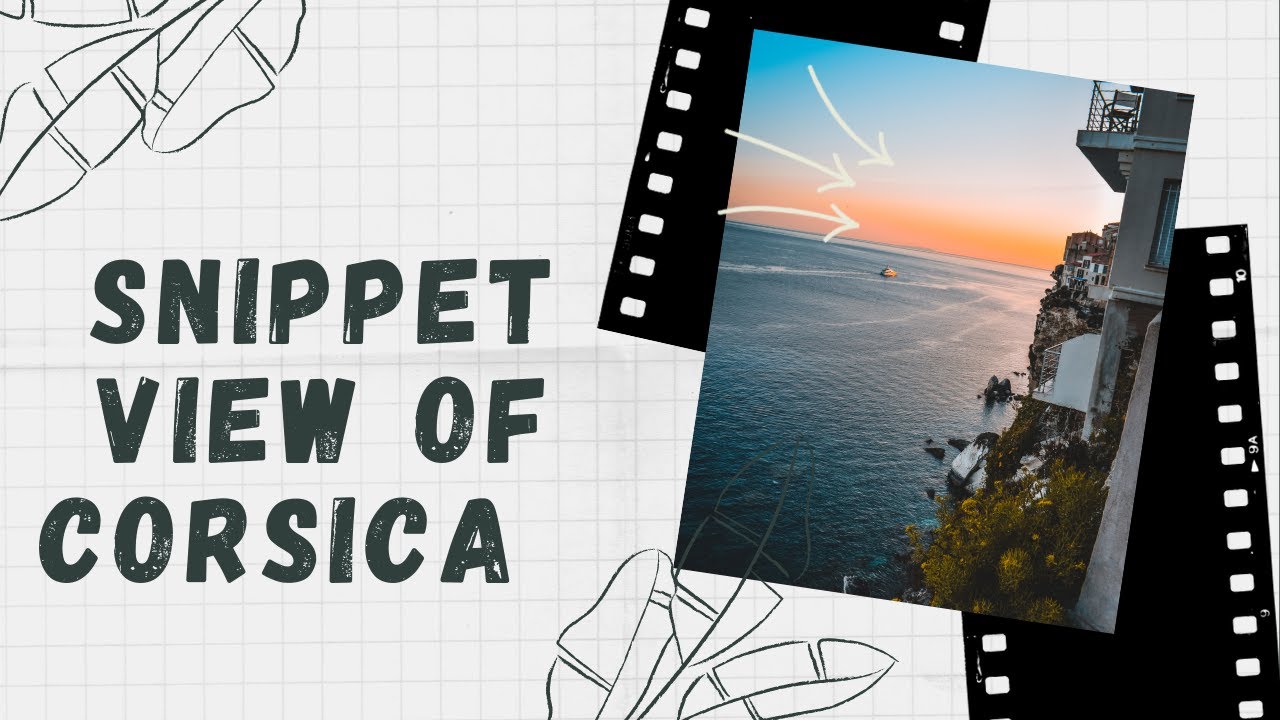
WHY YOU NEED TO GO TO CORSICA
1. The weather – The island of Corsica enjoys a Mediterranean climate and glorious temperatures during the summer – particularly in the coastal regions where the weather is hot. Further inland, summer months are still warm and dry, with an average temperature of 27 degrees. Corsica also boasts more sunshine than anywhere else in France, which is arguably one of the main reasons why it’s such a popular tourist spot. Those looking to avoid the crowds and travel outside of high season needn’t worry about the weather: Corsica still has a pleasant climate in the mid to low the twenties during September and October.
2. La Maison Bonaparte
If you’re looking to soak up some history, you can visit the ancestral home of Napoleon, born on the Rue Saint-Charles in Ajaccio (Corsica’s capital) in 1769. Once home to the Bonaparte family, the ancient building is now a national museum used to display items that evoke Napoleon’s childhood in 18th century France. Visitors can view portraits and medals, furniture, and various other artifacts from the famous ruler’s life, which makes for a fascinating journey through history. Opening times vary according to the season, so it’s best to check the museum website before you go.
3. Rare Animals and Plants
Corsica is home to some of the world’s rare animals and plants, many of which can be found at the Parc Naturel Régional de Corse, a natural park that protects endangered species. First opened in 1972, the park is now home to two endangered species of hoofed mammals, as well as the mouflon, and the Corsican red deer – all of which are considered almost extinct. Parc Naturel Régional de Corse also provides views of the highest mountains on the island, so it’s well worth a visit. You can access the park by boat from the village Galéria and Porto (Ota).
4. The Beaches
With their sandy bays and pebbled coves, beaches in Corsica are considered some of the cleanest in France, not to mention the most scenic. When it comes to sunspots in Corsica, tourists are spoilt for choice: there’s the 5km stretch at Calvi, the beaches in the Valinco Gulf near Propriano, or the southern strip of coast between Porto-Vecchio and Bonifacio, to name a few. If you’re looking for warm azure waters, white sand, and clear blue skies, visiting any one of these beaches during the height of summer will leave you well and truly rejuvenated.
5. The Wine
Like most sunny regions in France, Corsica produces several wines and liqueurs. Whether you’re a wine connoisseur or you’re merely after a taste, the delectable grapes of the region will give your taste buds a treat. To give you a head start, Nielluccio, a local grape variety, is often referred to as the cousin of Tuscany’s Sangiovese; white wine is of the Vermentino variety, and Sciacarello is a red grape that’s unique to the island. If you’re thinking of visiting a vineyard during your stay, Domaine Orsini near Calenzana is regarded as of the best.
6. The Cuisine
There are many reasons why you should visit Corsica, but the blend of French and Italian cuisine is one of the island’s main selling points. Traditional meals are hearty, consisting mainly of fresh seafood and local meats served with locally produced dairy products like brocciu (ewe’s milk cheese). Chestnut is also a key ingredient in many local dishes. For an authentic Corsican dessert, try the find one, a creamy cheesecake flavored with lemon.
7. The Views
Corsica’s scenery is undeniably breathtaking. Expect to see rustic chains of mountains, elevated coastline, and stunning green hilltops, as well as gleaming waters decorated with coastal resorts and charming waterside cafes. Calvi, a resort in the southwest, is particularly photogenic, hosting regular music festivals against the backdrop of the ancient citadel.
8. The Arts
The island celebrates many traditions, many of which revolve around a thriving arts scene. Age-old crafts like jewelry-making, pottery, and knifemaking are still abundant in many villages, as well as the musical tradition of polyphonic choral singing. If you spend much time exploring the Balagne region, you’ll see artisans hard at work, producing cosmetics, accessories, and crockery by hand.
9. Outdoor Activities
Corsica’s rugged landscape provides endless opportunities for outdoor activities such as hiking, canoeing, and off-road 4×4 tours. Tourists can also see the sites on horseback or hire an electric bike from any of the main towns as an alternative way to get around. For those who are less active,
10. The Town of Calvi
If you like this video just hit the thumbs up
and if you want more videos like this don’t forget to subscribe