
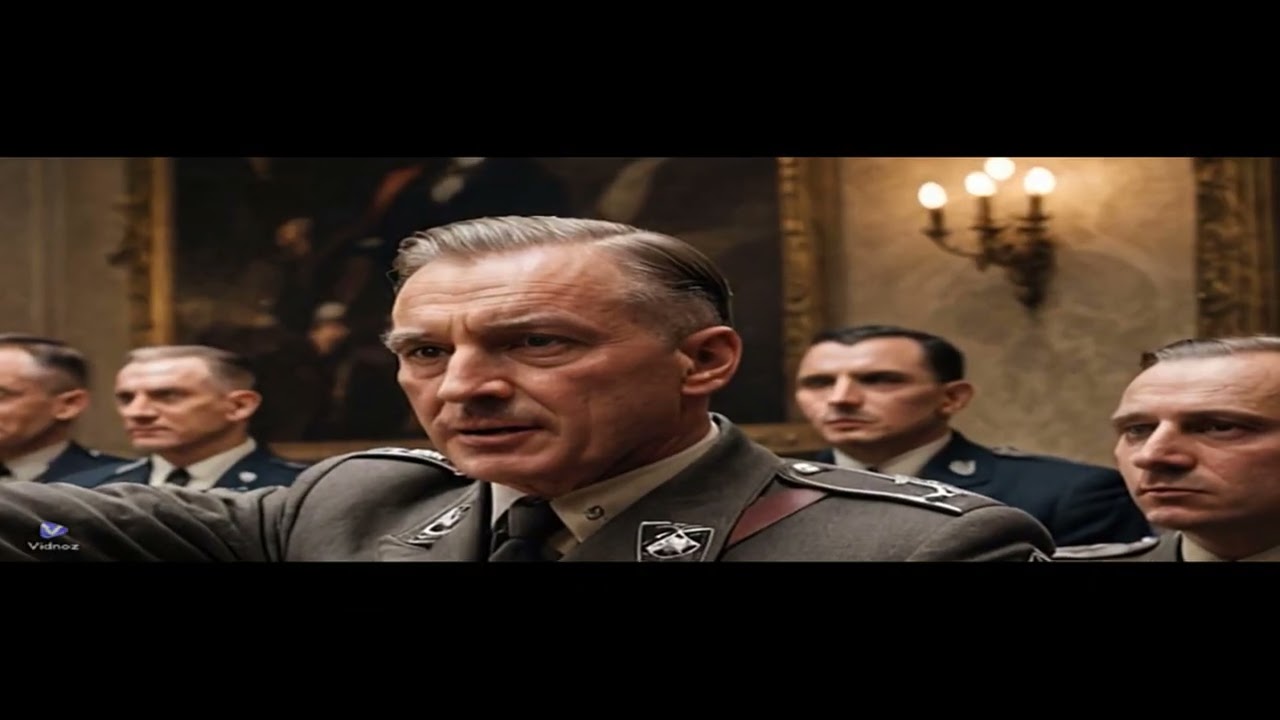
Discover the remarkable story of French winemakers during World War II, as they navigated the challenges of war, occupation, and resistance. This video delves into how the war impacted the wine industry in France, from vineyards and production to the cunning strategies winemakers employed to protect their precious vintages from Nazi looting. Learn about the brave individuals who risked everything to preserve their heritage and the pivotal role wine played in French resistance efforts. Join us on a journey through history, resilience, and the enduring spirit of French winemaking.
French winemakers
World War II
WWII wine history
French wine industry
Nazi occupation France
Wine resistance
Wine heritage preservation
WWII French resistance
Winemaking in war
France wine history
Wine production WWII
French vineyards WWII
WWII wine strategies
Winemakers and Nazis
Wine during war
Resilience in winemaking
French heritage WWII
Protecting wine WWII
Nazi looting wine
History of French wine
Welcome to our Channel today we’re going to take you on a journey through the secret world of French wine during World War II from the Champagne region to the burgundy Hills we’ll explore how the French resisted the German occupation and Protected Their wine industry let’s get started the French played a vital role in resisting the Nazis during World War II from hiding their finest wines to providing intelligence to the Allied Forces although Hitler himself didn’t drink key figures in his regime were Avid wine enthusiasts leaders like Herman Goring Wakee Von ribbentrop and Joseph gobl had a particular fondness for Bordeaux burgundy and champagne which influenced Nazi policies and occupied France by the outbreak of the war France was producing 79 million Hector lers of wine annually making it a significant economic Target for Germany Kristoff Lucan author of The Wine of the Nazis states that for the Nazis wine was akin to Spoils of War luxury French wines such as champagne burgundy and Bordeaux were highly coveted by the German Elite often traded like gold following the Nazi victory in the Battle of France in June 1940 Germany divided the country into a free Southern Zone and an occupied Northern Zone ensuring that KY wine regions like burgundy and champagne fell under Nazi control while geographical considerations might have initially spared Southern Bordeaux from Nazi occupation its inclusion gave the Germans complete control over over France’s Atlantic Coast and its wines antoan dfus author of less raisins do Reich pointed out that the division line between occupied in free zones strategically included Bordeaux and cognac initially the majority of French wine was outright stolen by the Nazis but a system was soon introduced to give the appearance of a free market special Nazi Representatives known as wine leaders to the French were dispatched to every major wine producing region these representatives were tasked with over over seeeing the acquisition and shipment of French wine to Germany by 1945 millions of hecta lers of wine had been forcibly purchased at low prices or outright stolen and distributed among the German Elite and their allies everyday wines were also repurposed in large quantities for the war effort used to fuel civilian and Military consumption and even converted into alcohol fuel Bridget betet of the commite interprofessional DU Vin D champagne said Nazi policies devastated the wine industry wines were sold exclusively to Germany and its allies at prices set by the Germans during the war the scarcity and a disastrous harvest in 1940 made it impossible to meet the enormous weekly orders the war also led to a surge in counterfeit champagne as American Producers quadrupled their output and labeled their bottles as champagne this issue persists even today the musie to champagne and EP showcases many bottles falsely labeled as champagne highlighting the this wartime problem despite the devastating impact of Nazi policies on French wine production many wine makers complied initially however attitudes began to shift as the occupation dragged on the vishi regime’s policies baned wine advertising imposed heavy taxes and set the minimum drinking age at 14 this led to reactions ranging from suspicion to outright hostility exacerbated by forced labor policies implemented in 1943 small acts of resistance emerged in the French wine world restorators like the owner of lur darant in Paris and wine makers like the denan family of champagne’s lauron peria hid their best vintage wines from the Nazis often building walls to conceal them burgundy’s Robert dran at just 8 years old was tasked with placing spiders in front of a newly built wall to make it appear old hoping to protect his father’s best romanti from the Nazis some wine makers managed to deceive the Germans by giving them inferior wine knowing the Nazis couldn’t tell the difference in some cases the German wine Representatives themselves sympathized with the French wine makers in burgundy adulf segets turned a blind eye to Hidden wines and in Bordeaux Hans bulmer intentionally Mis labled ordinary Winford Goring whom he despised Beyond these small acts a larger resistance movement was forming this network included gists loyal to Charles deal who led free France from Exile in London and the m Guerilla fighters who evaded vish’s compulsory Labor Service these groups increasingly coordinated their efforts under General de gal’s command by 1943 French wine makers became crucial to this resistance Jee manuso from the central Terin region used his regular wine deliveries across the demarcation line to Aid the resistance by smuggling messages and coordinating efforts in Champagne the resistance went underground utilizing ancient chalk caves one such cave now a UNESCO world heritage site was used by Piper heighty to store rifles and grenades dropped by Allied Forces according to the French Ministry of armed forces this armed resistance provided critical ground support during and after the D-Day Landings in Normandy ambushing enemy troops liberating cities and holding enemy units in Western ports the Nazis thirst for champagne also aided Allied Espionage before Germany’s invasion in 1940 a large shipment of shamp cign to Romania alerted the resistance to keep an eye on unusual orders in 1941 they informed British intelligence about a large order of champagne requiring heat protective packaging for a very hot country just before the Nazis launched their North African campaign Bernard denan in court from Champagne was only 19 When The War Began but joined the resistance immediately after D-Day he joined an armored tank regiment and participated in liberating dco and attacking Hitler’s Eagles Nest becoming one of the first to Glimpse the thousands of bottles the Nazis had amassed for his bravery he was awarded the Croy dear many resistance members paid the ultimate price Bernard’s brother Maurice denan in court was caught and sent to a concentration camp where he died in 1945 other notable figures like Gaston Pavan and hry Martin also faced similar Fates for their courageous actions on June 6th 1944 the Allies landed in Normandy G ually liberating regions including champagne and Bordeaux by August and burgundy by September on May 7th 1945 the Germans signed the surrender documents in Reams The Unofficial capital of champagne Victory Day saw many Allied soldiers celebrating with French wine today visitors to the’ museum can see the room where the surrender was signed betanet remarked during the war the residents of champagne weren’t drinking champagne it was for the Germans but after Liberation we supplied it to the Allied Forces too once again the world’s most famous wine became a symbol of Celebration thanks for watching if you are interested videos like this subscribe and press Bell icon so never miss an update