
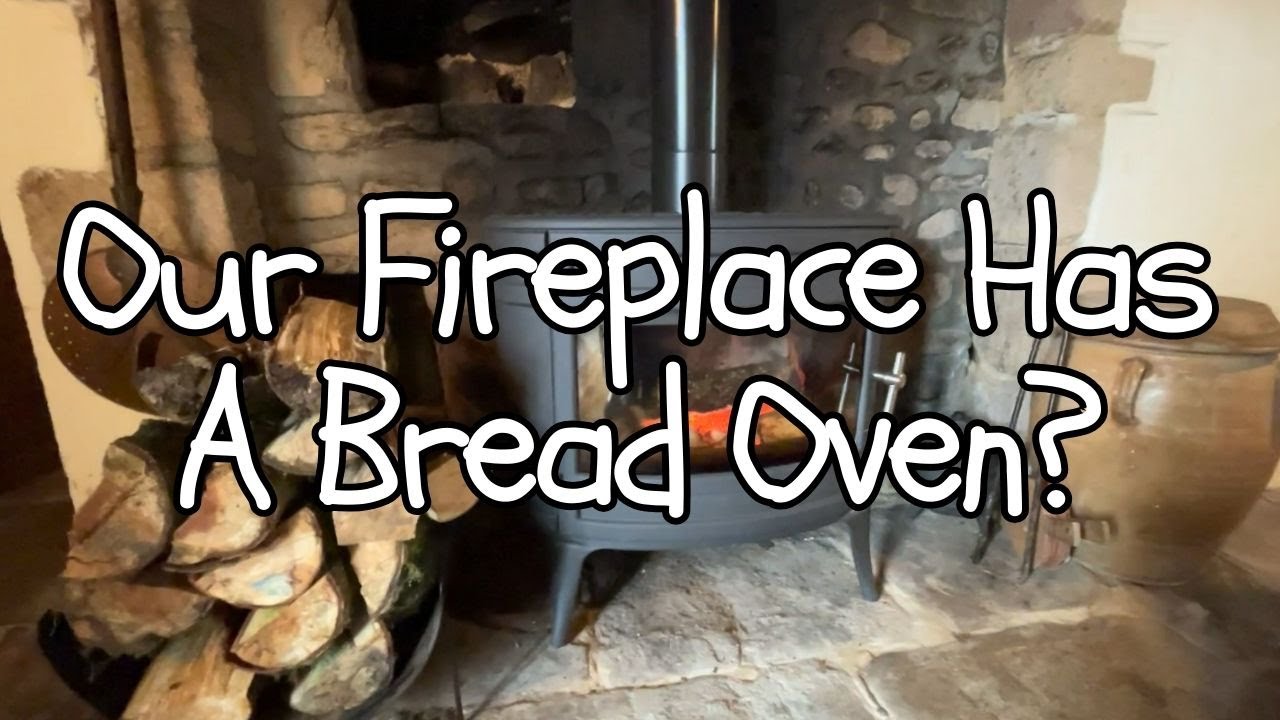
This week we continue to figure out how to slow down from our busy american lifestyles and settle in to slow french country living. Also, while hosting our neighbors for drinks, we find out our fireplace used to have a bread oven function.
Thanks again for watching,
Michael and April
Description of Us:
We are a couple of American Francophiles who have come to truly appreciate so many things about French culture. We love the food, wine, art, and history of France, but especially the people we have met along the way. Join us as we make our dream of living in France a reality. Follow us as we explore the French house-buying process – living, owning, and navigating a new life there with our beloved dog, Bernice. We enjoy learning about stone house renovation, wine, cooking, brocante shopping, and the French community we are now a part of.
This week we are figuring out the dayt day of the French rural lifestyle it’s taken us some time to truly slow down to the simpler gentle French way of life we are learning to embrace the different ways of doing things in France and as we’ve gotten to know our neighbors we
Are unraveling some of the mysteries of our ancient Home something pretty interesting about our our fireplace we had dinner or apparo with Remy our um neighbor and his wife and daughter and he was telling me years ago that this area was the bread oven portion of our fireplace you’d put the hot coals in
Here and then the heat would go up into here and this is where you would cook the bread and this area here was part of that and um of course it’s all been filled in now and it was a bread oven is part of the normal fireplace so that’s a pretty cool thing
Of course we put the cast iron log burner in here which works really well and this was left behind as well this is a chestnut roaster so kind of nice and nice decoration so so we have a built-in bread oven that no longer works but still kind of a
Neat feature that this fireplace used to have all right it’s a fruitful trip it’s just heavy to the bolog it was lovely we got some of everything and um it’s chocolate but I Rel use I think it was called and then um we got a Brio and some croissants to try what not
Not eating at all or we won’t fit in the plain seats heading back to the car okay you ready brise okay this is yeah we’ll sneak through okay that so one thing that I remembered or maybe realized is that splitting the wood is definitely needed not sure if it’s the
Surface area or if there’s like dampness in the bark or if that’s just sort of the natural natural um protective sort of mechanism that trees have against forest fires but um splitting the wood definitely made it so the wood burns quicker and easier you can see in
There’s a couple of split pieces these are wood that we cut from our forest and um they were trees that were already down and some of them were elevated off the ground so they were still drying so we have nice fire going so yeah isn’t that right Bernice Bernice do you like the
Fire yeah it’s nice and warm huh so I feted about this for a few days this is the recycling center and essentially you go in and show your badge that you’re a resident and then you can go and drop all of your recyclables cardboard styrene styrofoam things like that and those numbered
Containers there’s also the household recyclable centers these are through the community though these are um placed near your communities and you can recycle your boxes and your plastic bottles glass bottles essentially it’s a do-it-yourself sort of thing here in rural France coming all right oh sunshine what’s that
Okay despite the rainy weather we do take advantage of the breaks of sunshine to enjoy our neighborhood our friends have told us it’s the rainiest winter they can recall yes Ang thank you for watching if you have any questions that you would like to know about our journey or about making
The transition to French life please drop them in the comments below we try to answer everyone appreciate you being here and we’ll see you next week what’s going on is it too cold on let’s go
8 Comments
Glad your putting these videos out – thanks for sharing!
What an extremely cozy cottage you have. Greetings from Morbihan, Brittany
There used to be bread ovens just like this one, all over rural Europe. In colder countries such as France they were often placed behind the fireplace in the kitchen, so the heat generated for backing would also keep the house warm.
In warmer countries such as Portugal, the bread ovens were always outside the house, under a porch or a purpose built stone shed. Nowadays it is trendy to restore old stone ovens or instal new ones, next to a barbecue, in the garden.
In the old days rural families used to bake their own bread out of necessity: most could not afford to buy bread and they grew their own cereals, had it milled into flour locally (see ancient water mills) and baked their bread at least once a week, sometimes twice. They did not have the "luxury" of freshly baked every day. They'd bake 7 or 8 loafs (depending on the size of the overn and the size of the family) to last till the next baking day.
On baking day, the oven might also be used to roast meat, potatoes, apples… or slow cook a pot of Cassoulet = pork with beans. Delicious!
In the old days the forests were kept clean of all dead wood and folks who did not own their own forest had a right to coppice wood locally from "common land" = public land that belonged to the local authority, or a local rich landowner might allow poor villagers to collect dead wood from their land.
Lovely peaceful area you live in. Looks a lot like parts of Wales (UK) where I live, and here we get plenty of rain all year round.
If you place your log on a larger circumference log it will be much easier to split without putting your back out! (Old farm girl)
Additionally, the antique chestnut roaster was also used as a bed warmer to heat up the sheets before bedtime. 🌰🇫🇷
It is so interesting to learn the history of your home from neighbours. I hope you are enjoying your new area, it is very beautiful ❤
Logs should be left for about 12 months or so till the moisture content is around the 18% mark as burning logs new etc they have a high moisture rate and can cause excess smoke & soot to gather in the chimney which can cause a chimney fire. Moisture meters are freely available and inexpensive