
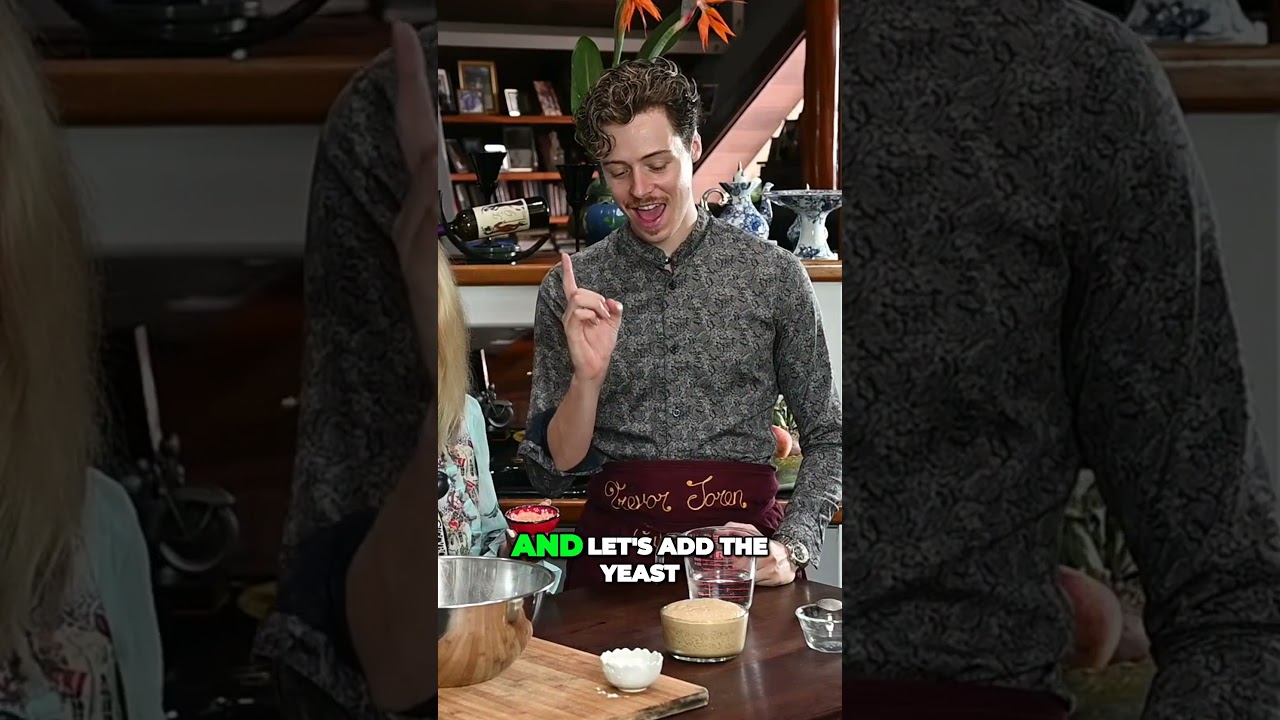
Bonjour, my fellow food explorers! Today, we’re diving into the heart of history, tradition, and – of course – flour, to craft a classic French bread. We’re stuffing it with something extra special: a rustic mushroom Duxelles with a dollop of tangy goat cheese.
Click here to watch the full length:
Bread: humble, yet majestic, the very stuff of life. What could possibly link the grain fields of the Neolithic Revolution to today’s vibrant and elegant French cuisine?
From the Fertile Crescent to the aromatic boulangeries of Paris, join me on a journey that transcends time and space, all in pursuit of the perfect French bread.
Bread, in its purest form, is just flour, water, yeast, and salt. But each ingredient is a chapter in a story of civilizations, survival, and sustenance.
Grains. Life’s seeds that have nurtured civilizations since the Neolithic revolution 10,000 years ago. From the Fertile Crescent of the Middle East, grains have journeyed across continents and cultures, shaping our culinary identities.”
From the Russian Borodinsky and American cornbread to African flatbreads and Middle Eastern pita, bread is as diverse as the cultures that have birthed them.
Now, we knead. It’s therapeutic and a way to physically connect with our ancestors who did the same thousands of years ago. Bread transcends from our plates to our spirituality and societal norms. ‘Earn your bread,’ ‘breadwinner,’ ‘upper crust,’ – these phrases reveal how bread is baked into our language”
While we let our dough rise, I’d like to touch on the rustic filling – the Mushroom Duxelles, a traditional French mixture of finely chopped mushrooms, onions, and herbs that has graced French cuisine for centuries.
This technique of Duxelles is named after influential chef François Pierre de la Varenne’s employer, Marquis d’Uxelles, a 17th-century French diplomat. A testament to frugality and creativity, Duxelles was a method to use up excess mushrooms, transforming them into a flavourful paste, representative of a common approach in French cooking: using simple, available ingredients and slow, careful cooking to draw out and concentrate flavors. This is the basis of many of the most iconic dishes in French cuisine, from coq au vin to ratatouille.
We melt the butter, cook the onions and garlic until translucent, add our finely chopped mushrooms, and season. Cook until the liquid evaporates, add some fresh parsley, and let it cool.”
Now for the exciting part. Roll out your risen dough into a rectangle, spread your cooled Duxelles evenly, leaving a small border. Sprinkle goat cheese on top. Roll it up, tuck in the ends, and let’s get this beauty baking.
Into a preheated oven it goes, and the anticipation begins. As it bakes, our Roule transforms into a golden, aromatic masterpiece.”
While our Roule bakes, let’s talk about pairing. This dish, with its rustic bread, rich mushrooms, and tangy goat cheese, needs a wine that complements its earthy and hearty flavors. A Chardonnay from Burgundy, particularly from the Mâconnais region, is perfect. The warmer climate there results in riper, fruitier wines, while the clay and limestone soils contribute to its minerality. I actually found a sparkling wine, in celebration for kicking off this channel – bubbles are SO necessary for new beginnings!
“Now, it’s your turn to try this recipe. As we break this bread together, remember: we’re not just enjoying a meal; we’re partaking in a tradition that transcends borders and binds us together through the universal language of food.
Share your bread stories with us in the comments below, and don’t forget to like, share, and subscribe for more culinary and cultural journeys.
Bon appétit!