
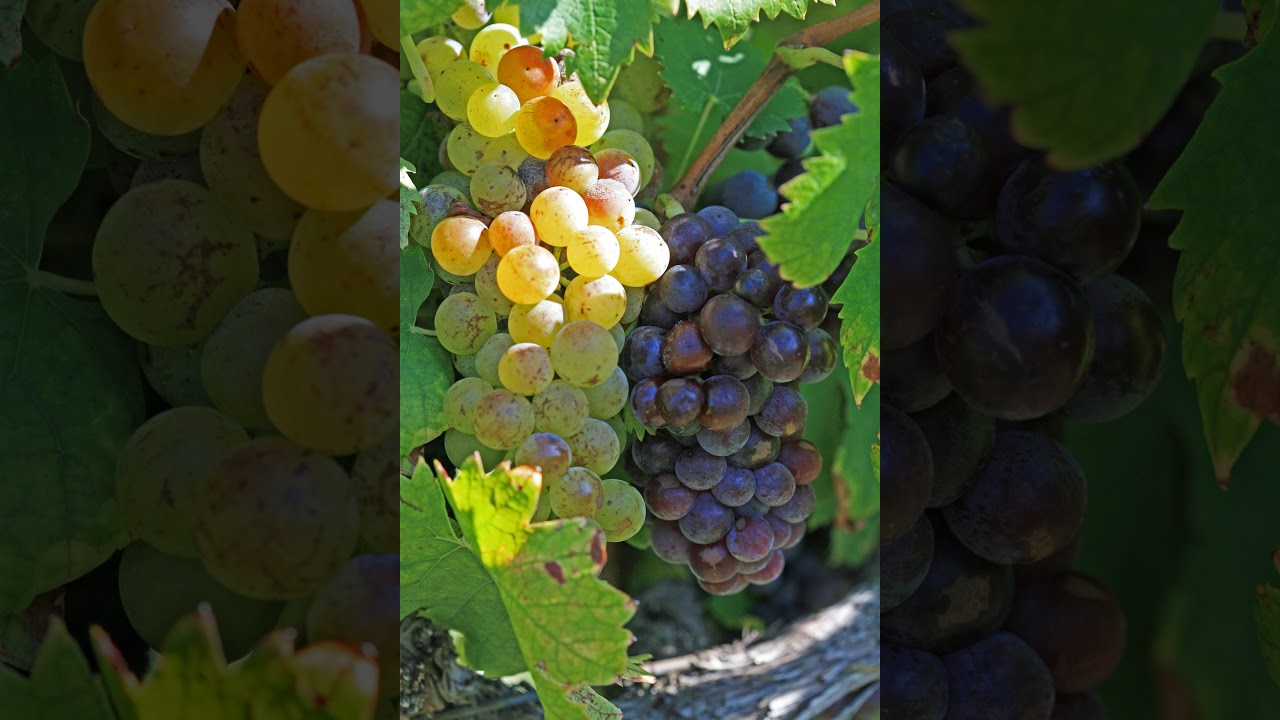
To kick off 2020, we have the original wine grape, the one from which so many were derived: MUSCAT! In the show we discuss the three main types of Muscat and the wines and regions that you need to seek out to get a taste of this ancient, delicious, complex grape.
As M.C. Ice requests in the middle of the show…here are the notes!
What is Muscat? Overview
A grape from which derives a complicated family of grapes that includes over 200 varieties of all colors It was most likely a Greek grape, brought to the south of France and Sicily by the Phoenicians It’s known for its floral perfume and grapey flavor. The grape is spicy with orange notes, and has relatively low acidity Styles range from dry to late harvest to fortified to sparkling Berries are gold, pink, or black and the variation within vines, mean flavors can vary
The main types of Muscat:
1. Muscat Blanc à Petits Grains is the oldest grape
Needs a long growing season, disease prone, doesn’t like humidity The most refined, classic Muscat, it is small berried, with a delicate but layered aroma Also known as: Moscato Bianco, came to Italy in the 1300s Common grapes derived from Muscat Blanc à Petits Grains: Moscato Giallo, Aleatico (red), Mammolo (red)
2. Muscat of Alexandria
Natural cross of Muscat Blanc à Petits Grains and Axina de Tres Bias, old black table grape grown on Sardegna, Malta, Greek Islands Not from Alexandria in Egypt! Mid budding, late ripening, likes heat, big bunches, big berries, great for heat. Susceptible to powdery mildew, bunch rot, bugs, good with drought Less refined than Muscat à Petits Grains: sweet but not complex, less subtle – more geranium notes. Makes sticky sweet wines, rose- or orange-like or like geranium and lily of the valley Also known as Zibbibo in Sicily. Related grapes: Catarratto Bianco (Etna), Grillo (Sicily), Bombino Bianco (Sicily, Southern Italy), Schiava Grossa, Malvasia del Lazio, Cereza (Argentina), Torrontés (both clones) 3. Muscat Ottonel:
Bred in Loire in 1852, earliest ripener, planted in Alsace often paler, with less aroma than the other varieties — which can produce a softer wine 4. Muscat of Hamburg
Black, table grape, low quality in Eastern Europe
Muscat in the Vineyard:
Hard to grow: Crops erratically, low acidity, can be a tough blender Pink, black, red mutations exist around the world Early budding, mid ripening, susceptible to powdery mildew, botrytis, mites, small berries Climate: Prefers warm Mediterranean climates – south of France, Italy, Greece, Spain, Australia Soils: Different types will yield different flavors. Limestone or calcareous rock, along with sand make lighter, fresher versions. Clays, granites, can yield richer versions. If the grape is overcropped it loses acidity and aroma and is a boring mess.
Muscat by Place:
France
18,829 acres in France/7620 ha Almost all Muscat Blanc à Petits Grains Rhône: Muscat de Beaumes de Venise (fortified) Roussillon & Languedoc: Vins doux Naturels of Muscat Blanc à Petits Grains in Frontignan, Lunel, Mireval, St. Jean de Minervois Rivesaltes: Vin doux Naturel of Muscat Blanc à Petits Grains blended with Muscat d’Alexandria in Rivesaltes Clairette de Die Sparkling of Muscat Blanc à Petits Grains Corsica: fortified wines Alsace: Muscat Ottonel and Muscat à Petits Grains. Wines are floral, fresh, grapey, and herbal with spice. Dry.
Italy
32,816 acres/13280 ha – Mostly Muscat Blanc à Petits Grains Piemonte: sweet, Asti Spumante (sparkling), Moscato d’Asti (semi sparkling, sweet, good dessert or cheese wine) Trentino Alto Adige: Use Rosenmuskateller: variation of the Muscat Blanc à Petits Grains — rose aroma, still wine, Moscato Giallo/Goldmuskateller: orange scented dry or sweet wines Valle d’Aosta: Passito style (grapes dried on mats in the sun, raisined and then pressed) Montalcino: DOC for dry, sparkling, sweet, late-harvest wines of Muscat Sicily: Zibbibo/Muscat of Alexandria for dry wines, Moscato di Pantelleria – passito style from a small historic island.
Spain
Grown all over Spain as Moscatel –Moscatel d’Alejandria Málaga: sweet speciality of the south Jerez/Sherry: Moscatel used for color and sweetness, can be made alone as a sweet, passito style wine
Portugal
Small amount used in white Port and other fortified wines Setúbal makes a fortified wine from it, tasty dry wines
Other Old World places: Germany, Austria, Greece
Australia
Rutherglen and Glenrowan in northeastern Victoria Rutherglen Muscat: Four tier quality system — basic, classic, grand, rare. Like figs, coffee, blackberry, chocolate, delicious, with acidity
South Africa
Vin de Constance from Muscat Blanc à Petits Grains: Late harvest Probably the descendents of the famed vines of colonial days in the 1600s Worcester, Olifants River: Muscat of Alexandria/…