Get a De Buyer Pan Like the One in the Video: https://debuyer-usa.com/?sca_ref=404835.2T2gLdk0je (Uncle Scott’s Affiliate Link)
This video is a kitchen-oriented podcast show called Uncle Scott’s Pancast Podcast. This video is episode 115 in the series. Topics change from episode to episode, but are related to cookware, food, wine, cooking, recipes, and anything related to the kitchen. In this episode we talk about topics such as French roulèe omelettes, dull knives, food storage safety, Martin Stove & Range cast iron, microplastics, carbon steel vs. nonstick pans, apple cider vs. juice, Lodge cast iron vs. Le Creuset, EPA rules for PFAS in groundwater, fried eggs, butter, answer lots of viewer mail, and more!

21 Comments
For sous vide you use BPA free vacuum seal bags and it's fine. I don't usually bother with it but for a tougher cut like sirloin you will not find a better way to cook them.
Another type of cooking that carbon steel can’t do. The list is growing. So I’m sure you are recommending non-stick for steamed eggs, JUST LIKE EVERY RESTAURANT IN THD WORLD, particularly Michelin starred restaurants and recipes.
My mother-in-law, for Christmas dinner, ruined a beautiful prime rib roast by doing the sous vide thing and then dumping a ton of salt on it once vacated from the plastic boil bag. What we had was a disgusting, super salty, boiled beef mess.
Yes, I have been using glass containers exclusively for some time to store and reheat my food. I also don't use plastic wrap to cover my food when warming or defrosting it in the microwave. I use wax paper only. My late husband was a physicist and he warned me years ago about microwaving foods in plastic containers or in plastic wrap. He said the microwaves would knock plastic molecules loose and drive them into the food. No thank you! Glass containers and wax paper are the way to go.
We've been using glasslock for years when we tried to move away from plastic.
I'll put in a little extra work on my eggs to avoid colon cancer
Denver Omelet. Fancy Omelette. Easy peasy.easy.
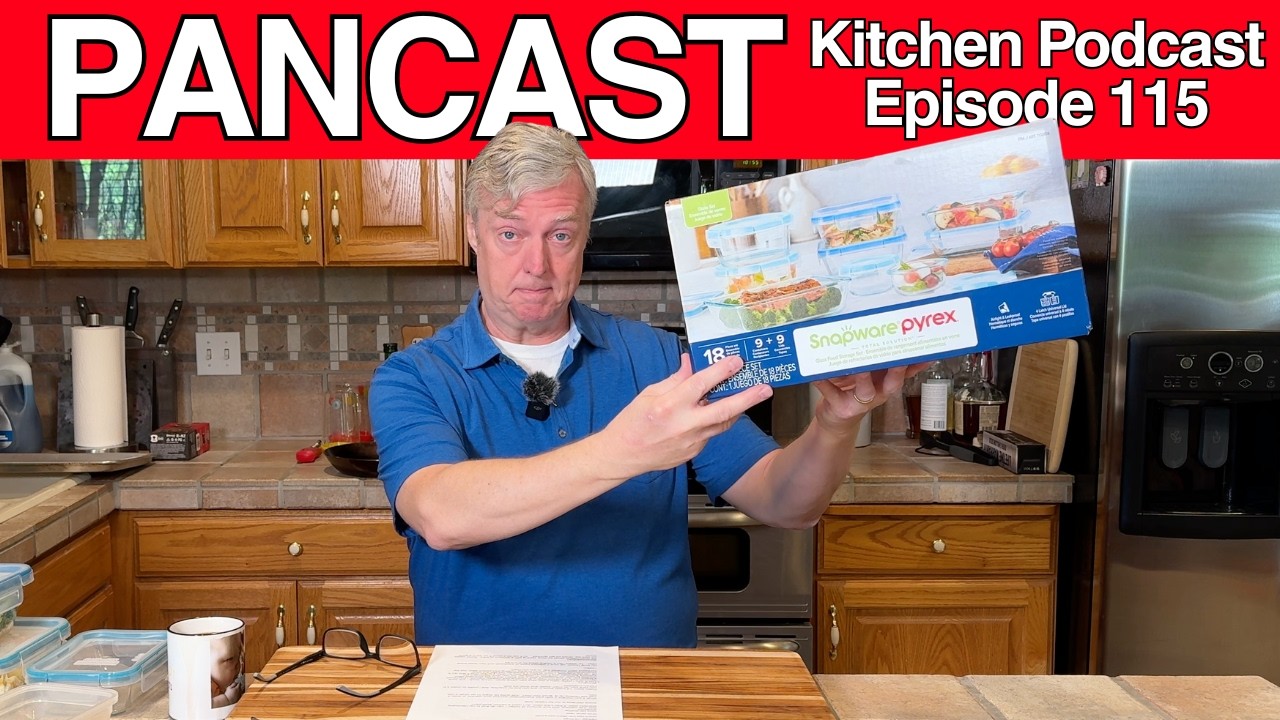
That's "pyrex", NOT "PYREX". The latter is borosilicate glass, legendary for it's toughness and use in laboratories, the former is joe-normal glass.
Not worried in the least about micro-plastics.
Considering the Trump administration has now approved multiple pesticides with PFAS for use in mass on food crops, it seems a little silly to worry about nonstick pans.
Around 6:00 – Careful with 'pyrex glass'. I am guessing that it's a pyrex branded glass, but it's not actually borosilicate, which is what I originally thought 'pyrex' meant. Great for temperature changes, but still very breakable; don't drop it!
I like sous vide for the tough pieces of meat that really need that collagen breakdown. I'm not too worried about the grey and whatever look you find disgusting, but it can taste really great despite being a much cheaper piece of meat versus a steak. Or even something like beef liver – so easy to overcook; but the sous vide prevents this.
At 15:23 – Stainless steel VS non-stick VS carbon steel. Can't carbon steel (or cast iron) be considered non-stick if it has a decent seasoning? By 'non-stick' I think people normally mean 'Teflon' (or PTFE or PFAS), but they don't use the precise term. The pan I probably use the most at the moment is Carbon Steel Nonstick (TM). No Teflon or such there.
Yikes! Where is all this PFAS related pollution coming from? It's not from the frying pans themselves. I've seen the movie "Dark Waters" which shows what it was like years ago with Teflon; those affected were those who worked at the factory and those who lived close by and suffered from the pollution coming from the factories. That should definitely be outlawed and taken care of! I thought they had paid out lots due to the lawsuit(s) (though probably not as much as they should have), but also cleaned up their act. Perhaps others are not taking care of their waste these days. I suppose if no one bought PFAS related tools, they would not run these factories anymore.. but I don't think that's the best solution either.
Regarding sous vide vs pan searing, to me the amount of time spent searing makes a difference. A raw steak sears more fully pan searing it by mere virtue of that it starts out raw, not cooked.
I think the longer exposure to high temp and the smoke and splatter involved makes a big difference.
I keep my knives factory sharp by using a ceramic rod and a leather strop. There is a learning curve for sharpening stones and you can damage your knives with a cheap commercial sharpener. One sharpening lasts me 12-18 months depending on usage. Get your knives sharpened professionally and use a ceramic road and strop to keep the edge tuned.
I’m a two sharpener household as well. I have one with the blades positioned vertically like yours and I have one with a horizontally positioned blade. I like the horizontal blade for potatoes and the vertical blades for almost everything else.
No to sous vide! Same concern about cooking in plastic. Maybe good for restaurants for convenience. I sold my sous vide. It did not do one thing better than traditional cooking IMO. Yes, concerned about microplastics. Store food in fridge with plates as lids. Buy lead free clay pots from Japanese cookware to reheat leftovers in the oven or microwave. These little casserole dishes have lids and come in many sizes. My last Costco cling film lasted over ten years. There are some things like stuff going to potlucks that seem to need cling film. Cannot get away from plastics for freezer storage, however. The glass freezer containers are too slippery and don’t seem to stack well. Compromise seems to be what happens.
FYI, Stargazer is now selling cast iron lids for some of their pieces. I have ordered a lid for my 12" Stargazer skillet. I will let you know when it arrives. I will season it like my cast iron pans.
Also, my experience with teflon type pans is that cooking spray does not fully wash off when cleaning with soap and water, thus forming a sticky layer which actually causes foods to stick. I have noticed this with muffin pans and skillets. This is completely anecdotal, not scientific, so I don't know how much credence to give it.
Corporations MADE that crap with the PFAs that contaminated the water, so THE Corporations ought to pay out the nose to clean up the ground water and acquirers, NOT the American citizens.
Hint, Pyrex zero plastic boxes 😉
And yet you have no problems with Crisco!
Regarding the Demeyere, shouldn't it be, "By all means, just nonstick to it?"
I bought the el-cheap-o infra red thermometer from CostCo and found it to be horribly inaccurate in my Carbon steel pans. However, I was able to determine that the proper pan temperature for nonstick eggs was around 200-220 on the cheap thermometer. How? Using a low heat setting (simmer) and butter to show the proper temperature. The butter should bubble and make a small amount of popping noise. It should NOT turn brown or sound like a piece of meat that's being seared.