
10 Forgotten Foods That Outsmarted Famine, Disease, and Time
What if the most resilient foods in history weren’t found in high-tech labs, but in ancient kitchens, caves, and forests? From pemmican that fueled polar explorers to honey that never spoils, today’s episode uncovers 10 forgotten foods that didn’t just feed people — they saved entire civilizations.
These ancient innovations outlasted famine, disease, war, and time itself. With no electricity, packaging, or preservatives, they preserved nutrients, enhanced flavor, and unlocked biological secrets modern science is only just catching up with.
🌿 You’ll discover:
• The food that sparked a war in Canada and powered Arctic expeditions
• How ancient fermentation fought scurvy and fed armies
• Why honey from 5,000 years ago is still edible
• The Viking superfood that launched transatlantic journeys
• A forgotten sauce that once reigned in elite British kitchens
• And much more, from wild foraging to cave-aged cheese
Each one of these foods used natural preservation, microbial intelligence, or survival engineering to resist spoilage and stretch supplies for years, even decades. These aren’t myths. They’re edible evidence of how past generations mastered food security.
If you’re into forgotten knowledge, ancient survival techniques, or just love history-rich food science, this episode is for you.
🧭 Timeline of Discoveries:
00:00 – Intro
01:28 – Pemmican: The Arctic Survival Brick
05:23 – Honey: Edible Immortality
10:36 – Stockfish: The Viking Protein Plank
15:24 – Hardtack: War Biscuit That Lived On
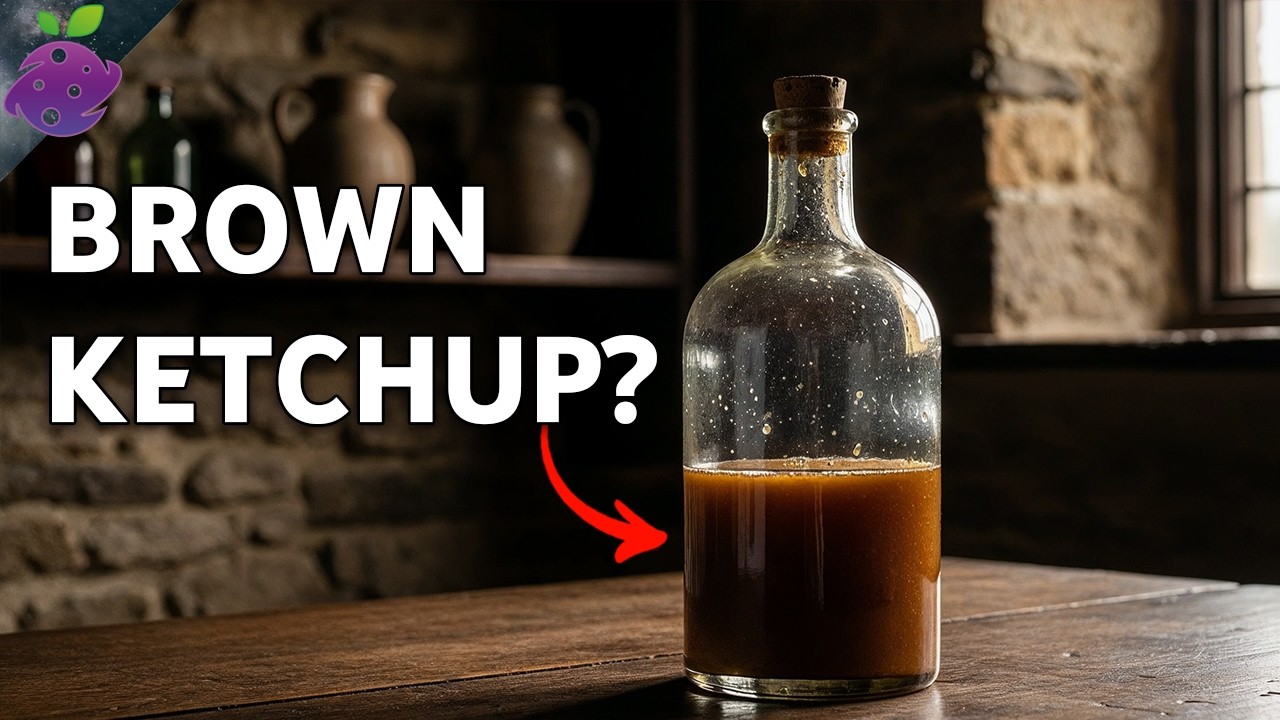
20:02 – Mushroom Ketchup: Umami Lost in Time
24:55 – Fermented Vegetables: Fermentation vs. Scurvy
28:56 – Salted Meats & Fish: The Power of Crystals
32:45 – Foraging: Hidden Food That Saved Lives
36:30 – Cave-Aged Cheese: Microbial Magic Underground
40:43 – Peasant Soups: Nutrition Engineered from Scraps
🧠 Subscribe for more deep dives into ancient knowledge, lost foods, and nature’s forgotten superpowers; https://bit.ly/StellarEurekaSubscribe
#ForgottenFoods #SurvivalFood #FoodHistory #AncientNutrition
16 Comments
Saved!
soups!
Well done ! Now we just need to relearn what was once common knowledge :/
I quite often throw together what i have to make soup.And my Dad taught me how to forage in the woods.He grew up in Vermont and Canada in the country.
Fascinating. Thanks for sharing.
I really enjoy your videos! I've been planting edible weeds in my garden among the vegetables and herbs, and every day I forage in my yard for dinner. 😊😊
My two favourite quotes are: "We traded centuries of resilience for convenience, and built food systems that collapse at the first sign of crisis.”
And…
"Foraging wasn’t a fall-back. It was the original food security system, and in many cases, it delivered better nutrition than anything agriculture ever produced."
Keep up the excellent work!
In medieval times they didn't use potatoes. potatoes are a new world veggie. They would have used grain – barley, oats or wheat, for instance – to add starch to the soup. They also would have called it pottage.
I always look 👀 forward to your Presentations Brother. Always soooo Informative & Entertaining to watch. You Never Disappoint. You put So much Time, Effort, Energy & Thought 🤔 into these Featured Presentations & it Shows ( pun intended) 😂. I had to stop watching this on my phone ☎️ & hook it up to the Big Screen 📺 & start over from the beginning. Me & My Family & Friends Thank you 🙏 & Appreciate you so much. I share with everyone
I make all kinds of throw together soups, stews, and pasta dishes. Just don't ask me how i made it.
So, please tell me how, "In medieval Europe, soup wasn't comfort food, it was survival…. peasants relied on broth made from onions, potatoes, and…" Really? In Europe before 1492, there were precisely zero potatoes! So, thanks for ruining an otherwise good video by stating something blatantly false.
🥔🍲It seems that with this video we have triggered the great “potato in medieval soup” debate. Some of you pointed out that potatoes only reached Europe after 1492, and that is correct. In the medieval era, peasants would have relied on turnips, grains, or other roots instead. The basic idea of soup, however, didn’t change much in the Early Modern Period. Nor did the peasants’ conditions, as they boiled whatever they had with water simply to create sustenance and survive.
The bigger story is that soups made from scraps and leftovers have been essential for survival throughout history and remain so to this day. Thanks for keeping us sharp!
Out of all the foods in this episode, which one surprised you the most, or is there any you’d be curious to try at home?
when you forage to leave a 1/3 or some left at least. Don't take it all.
I make my own sauerkraut. And definitely make the soups and stews. Some of the things listed I had never heard before. This was definitely a great video.
Nope, the world did not forget. US mega food corporations chasing higher profit margins stopped producing real food.
Absolutely loved it.
If the antediluvian era in our food supply, used as an argument to kill someone, ever descends on us again, I thank you for these useful pointers. Until then, however, I’m a person spoiled by privilege who lives in a modern Western country. And as such, I prefer packaged meat that has been handled according to the highest food-safety standards, so I can eat and digest it without ending up spending a week on the toilet.