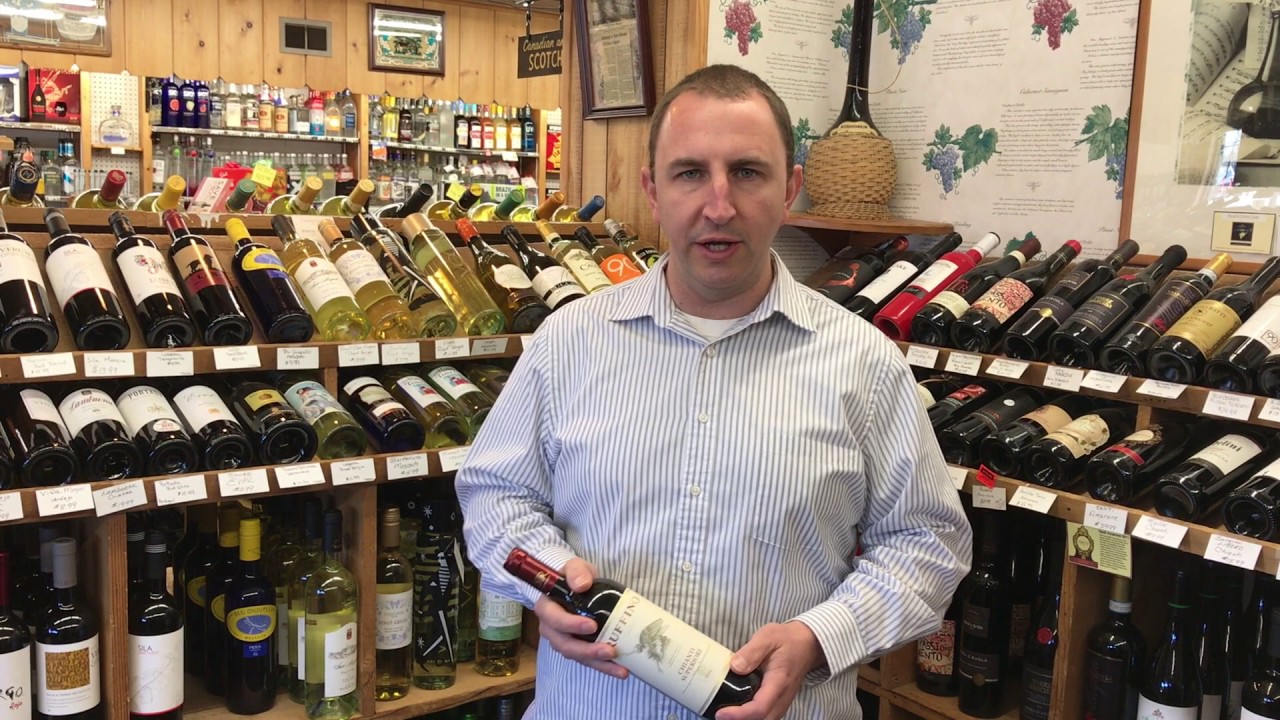
Do you know what Chianti is, or Bordeaux, Burgundy, or Rioja? These are all the names of wine growing regions in Europe. Yes, that’s right, I said regions, not grapes. We find that there’s a lot of confusion around these wines when people come in looking for Italian, or French, Spanish wine. We wanted to take a few minutes today to clarify how Europeans label their wine as opposed to as how we do it here in the U.S. Chianti, for example, is a growing region in Italy. Grapes grown within that particular region in Italy can be bottled under the name Chianti. The grapes that go into the Chianti are predominately Sangiovese.
There are actually regulations as to a certain percentage of the grapes have to be Sangiovese in a Chianti. Those are then blended with Cabernet and Merlot or some other Italian grapes. In the U.S. if the winemaker was making a Sangiovese, they would label it as a Sangiovese, or as a Cabernet, or a Merlot respectively. This is how many people are accustomed to shopping for wine.
Bordeaux is a region in France. Most people are probably familiar with their big, dry red wines. Those big red blends are made with Cabernet, Merlot, Petit Verdot, and Malbec grapes. But, Bordeaux is also known for it’s Bordeaux Blancs. This is a Sauvignon Blanc based blend from Bordeaux. That’s typically what you’ll find in a white Bordeaux.
Burgundy is another region in France. Some people think of them only as reds, some people think of them only as whites. Both are wrong. The red Burgundies are typically Pinot Noir grapes, while the whites are typically Chardonnay. In the U.S., we would just simply label that wine as a Chardonnay or as a Pinot Noir. Even if there are small amounts of other grapes blended in we still label them by the primary grape.
In summary, Europeans, for the most part, use the name of their region to label their wine. Bordeaux is a region, the grapes can be a mixture of Cabernet and Merlots, Malbecs for the reds, or Sauvignon Blancs for the whites. Chiantis are primarily Sangiovese grapes which are a dry, light-bodied, red grape. Whereas in the U.S. we use the names of the grape on our labels.
The next time you’re shopping for European wine, make sure you think about the fact that these are the names of the regions, and they’re not necessarily the names of the grapes. I look forward to your comments and feedback. Thanks for watching and we will see you soon.