
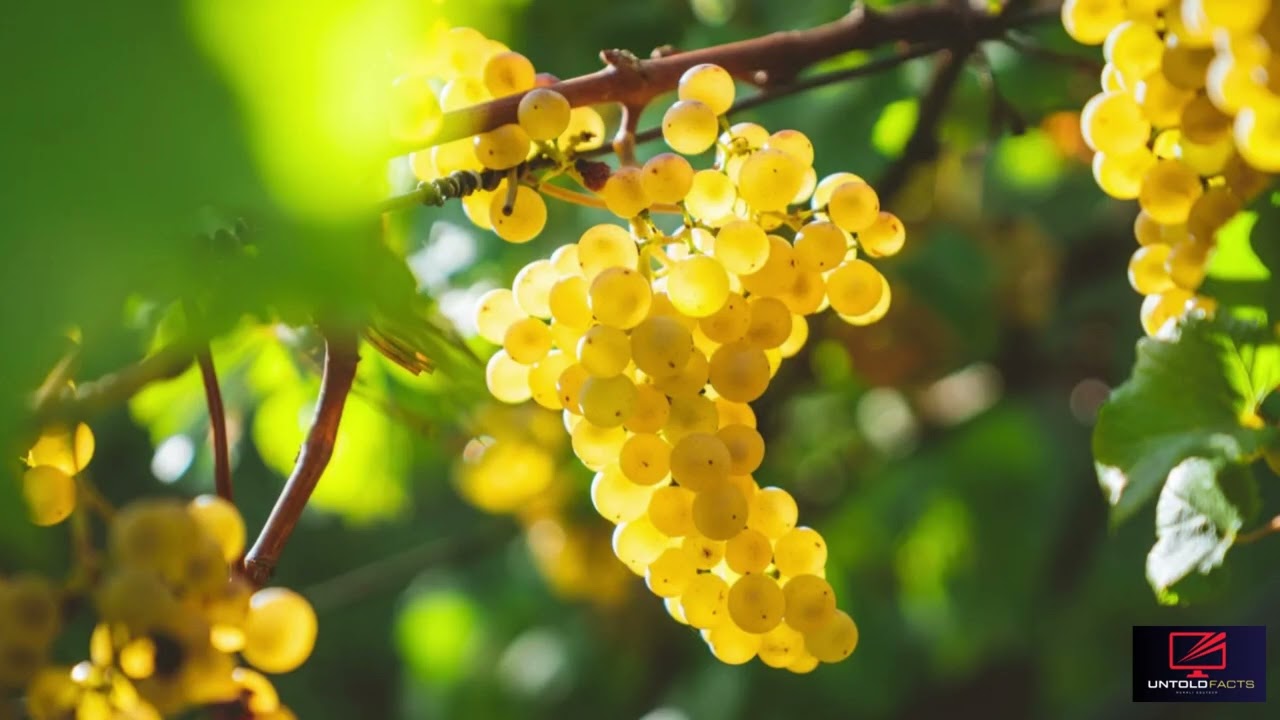
France has long been considered the birthplace of some of the world’s finest wines, offering an unparalleled diversity of flavors, styles, and regions. From the rolling vineyards of Bordeaux to the sun-drenched hills of Provence, French wine is a cornerstone of global viticulture, deeply woven into the fabric of French culture, history, and identity.
At the heart of every bottle of French wine lies the idea of terroir—a French word that refers to the distinctive blend of soil, climate, topography, and human skill that defines the wine’s character. In contrast to many other wine-producing areas where the focus is primarily on grape varieties, French wine is significantly shaped by its geographical and environmental context. This is the reason why each wine region, even when cultivating the same grape type, produces unique flavor profiles.
For instance, a Pinot Noir from Burgundy will taste markedly different from one cultivated in Oregon, even though they are the same grape. The soil, climate, and winemaking practices in Burgundy contribute particular nuances of earthiness, acidity, and complexity.
Famous French Wine Regions
Bordeaux: The Legacy of Elegance
Bordeaux is arguably the most famous wine region in France, celebrated for its rich, robust red wines. Located in the southwest of France, Bordeaux wines are primarily blends of grape varieties like Merlot, Cabernet Sauvignon, and Cabernet Franc. These wines are known for their depth, structure, and aging potential.
Bordeaux is divided into several sub-regions, such as Medoc, Saint-Emilion, and Pomerol, each with its own unique terroir. A classic Bordeaux wine can range from fruity and approachable to complex and tannic, with aromas of blackcurrant, tobacco, and cedarwood.
Burgundy: The Pinnacle of Pinot Noir and Chardonnay, is the heart of French winemaking, renowned for producing some of the world’s most prestigious and sought-after wines. This region is famed for its Pinot Noir and Chardonnay. The Burgundy region is divided into distinct sub-regions, each with its own unique terroir, including Côte de Nuits and Côte de Beaune.
Burgundy’s wines are often described as elegant, delicate, and nuanced. A bottle of red Burgundy, such as from the Côte de Nuits, is typically lighter in body compared to a Bordeaux but offers a more nuanced complexity with flavors of red fruit, earthiness, and floral notes.
Champagne: When it comes to sparkling wines, Champagne reigns supreme. Located in the northeast of France, Champagne is produced from a blend of three main grape varieties: Chardonnay, Pinot Noir, and Pinot Meunier. The region’s cool climate and chalky soil give Champagne its signature crispness, with flavors ranging from green apple and citrus to bready, yeasty notes from the traditional secondary fermentation process.
What makes Champagne particularly special is its ability to age gracefully, with many top producers creating vintages that improve with time. The delicate bubbles and elegance of Champagne make it the drink of choice for celebrations around the world.
Rhône Valley: The Bold and Spicy Reds
The Rhône Valley in southern France is home to some of the most powerful and full-bodied wines in the country. The region is divided into two main parts: the Northern Rhône, where Syrah reigns, and the Southern Rhône, where blends of Grenache, Syrah, and Mourvèdre dominate.
Wines from the Rhône are often bold, spicy, and rich. Northern Rhône wines, like Côte-Rôtie and Hermitage, tend to have deep, smoky, and peppery flavors, while Southern Rhône wines, such as Châteauneuf-du-Pape, are more fruit-forward with earthy undertones.
Provence: The Heart of Rosé
The sun-soaked region of Provence is widely considered the birthplace of Rosé wines. Light, crisp, and refreshing, Provence rosés are perfect for warm weather and pair beautifully with Mediterranean cuisine. While Grenache, Syrah, and Cinsault are the most common grape varieties, each wine has a distinct style influenced by the unique microclimates found in the region.
Provence rosé typically features delicate notes of strawberry, citrus, and herbs. The pale pink color of the wine reflects the light extraction process, preserving the fresh, fruity character of the grapes.
A key aspect of French wine is the Appellation d’Origine Contrôlée (AOC) system.
The wine classification system in France includes:
AOC (Appellation d’Origine Contrôlée):
IGP (Indication Géographique Protégée):
Vin de France:
French wine transcends being merely a drink; it embodies the history, culture, and dedication to craftsmanship of the nation. With its diverse array of regions, grape varieties, and wine styles, French wine caters to every taste. Whether you enjoy a glass of Bordeaux during a family meal or uncork a bottle of Champagne to mark a special event, French wine consistently enchants and motivates wine enthusiasts globally.
Images & photographs belong to their respective owners.
Courtesy: Wikimedia