
Nordic Wine – How do Swedish, Norwegian, Danish, and Dutch wines taste?
Support me on my PATREON: https://patreon.com/konstantinbaum
Follow me on …:
https://www.instagram.com/konstantinbaum_mw/
https://www.threads.net/@konstantinbaum_mw
@konstantinbaum_mw
Check out my website:
https://www.konstantinbaum.com/
https://baumselection.com/
I use this wine key: Forge de Laguiole Ebony
I have used this glass in this Video: Nude Glass Powerful Reds
I have tasted the following wines in this Video:
2021 Apostelhoeve Cuvee XII Brut, Maastricht, Netherlands
https://www.wine-searcher.com/find/apostles+cuvee+xii+brut+maastricht+netherlands/2021?Xsort_order=p
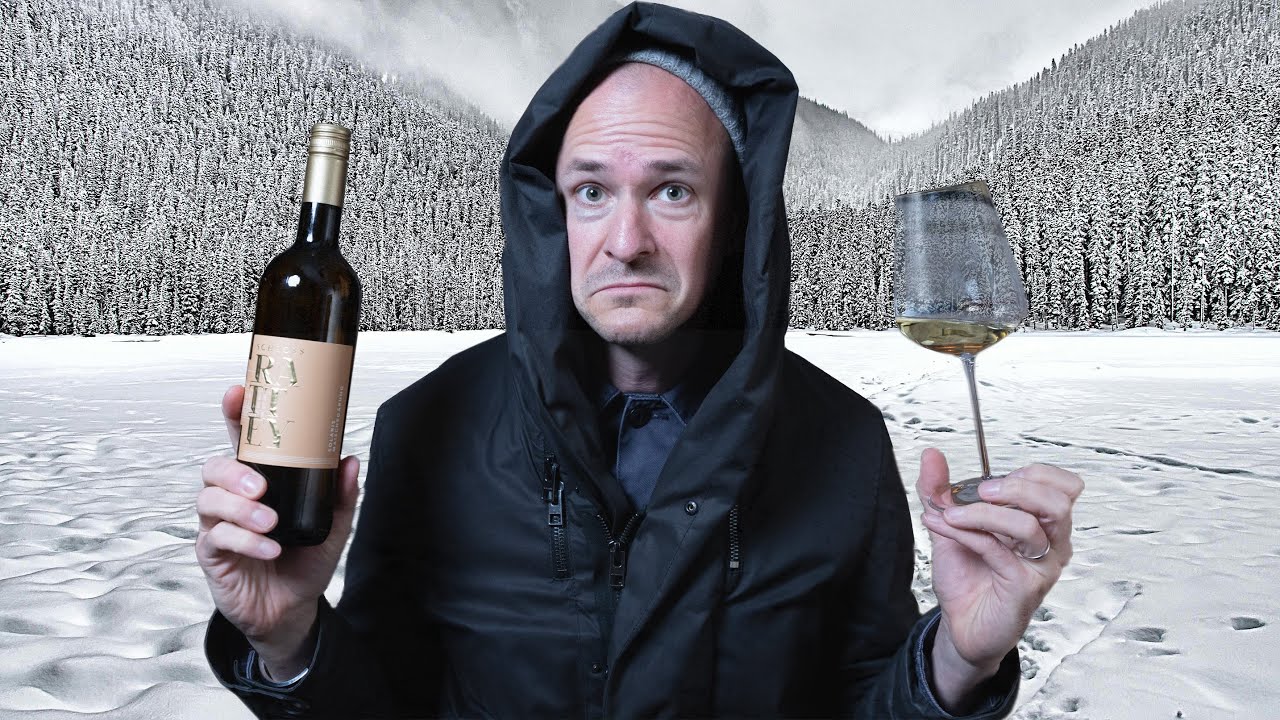
2022 Schloss Rattey Solaris Orange Wine, Mecklenburg-Western Pomerania, Germany
Dyrehoj Vingaard Ros Reserve Solaris, Zealand, Denmark – check vintage!
https://www.wine-searcher.com/find/dyrehojgaard+rose+rsrv+solaris+zealand+denmark?Xsort_order=p
2021 Kullabergs Vingard ‘Immelen’, Sweden – check vintage!
https://www.wine-searcher.com/find/kullabergs+immelen+sweden/2018?Xsort_order=p
Norskvin White
The 100 Point Scoring System (from www.robertparker.com):
96-100: An extraordinary wine of profound and complex character displaying all the attributes expected of a classic wine of its variety. Wines of this caliber are worth a special effort to find, purchase and consume.
90 – 95: An outstanding wine of exceptional complexity and character. In short, these are terrific wines.
80 – 89: A barely above average to very good wine displaying various degrees of finesse and flavor as well as character with no noticeable flaws.
70 – 79: An average wine with little distinction except that it is soundly made. In essence, a straightforward, innocuous wine.
60 – 69: A below-average wine containing noticeable deficiencies, such as excessive acidity and/or tannin, an absence of flavor or possibly dirty aromas or flavors.
50 – 59: A wine deemed to be unacceptable.
There was a time when Germany was considered a cool climate.
The 50th-degree latitude was the northernmost barrier for viticulture, and it runs through the Rheingau region in the southern half of Germany.
As temperatures increased official wine-growing regions were developed north of the Rheingau in Germany – namely for example Saale Unstrut and Sachsen – but even those vineyards do not represent the northernmost frontiers of the wine world.
Northern Europe might be the next big thing as sparkling wine from the UK has performed well on this channel for instance. There are winemakers in Nordic countries making wines looking at how far they can push the traditional boundaries of viticulture. So let’s find out whether the North of Europe has more to offer than Akvavit, mead, and beer.
The Netherlands or Holland, is a trading nation and was a major player in the wine and spirit trade. They were also tasked with draining the swampy Médoc, creating space to grow grapes. As they were importing and exporting wine they also tried their hand in winemaking to less success.
According to the Oxford Companion, the new wave of Dutch producers started in 1967 when Frits Bosch created his Slavante vineyard of just 800 sq m. There are more than a hundred producers in the Netherlands today working with grape varieties like Riesling and Müller-Thurgau, Auxerrois.
there was a time when Germany was cool well let me rephrase this there was a time when Germany was clearly considered a cool climate the 50° latitude was the northernmost Frontier for viticulture in the wine world and it runs straight through the Rango region in the southern half of Germany as temperatures increased further wine growing regions were developed north of the Rino for example zalo un and zaxon but even those Vineyards do not represent the northernmost fure of the wine world anymore wines from northern Europe might be the next big thing as sparkling wines from England have performed really well on this channel and they are Nordic wine makers trying to see how far they can push the boundaries so let’s find out whether the north of Europe has more to offer than aquavit meat and [Music] beer the Netherlands or Holland is a trading nation and was a major player in the wine and spirit trade they were also tasked with draining the Swampy medok to create space to grow Vines as they exported and imported wine they also tried their hand in wine making to less success the new wave of Dutch wine makers started in 1967 according to the Oxford companion to wine when Fritz Bosch planted his lavant Vineyard of just 800 square met there are more than 100 wine makers in the Netherlands today working with rape varieties like reing Muro and Ooa we’re starting off with the 2021 apostal H KU 12 brw from mastr in the Netherlands this Winery started in 1970 the first wine was made in 1972 and they apparently the oldest Winery in the Netherlands they’re farming 20 hectar of Vineyards in the south of the Netherlands and those Vineyards are planted to Muro oxa resling Pino and since 2020 VI the wine is actually turned into a sparkling wine in the r region in Germany following the traditional method where you first create base wines and then you referment those base wines adding sugar and yeast in bottle so basically like they do it in Champagne they name this wine KU 12 because of the 12 apostal apparently but I don’t really know what they have to do with this wine whoa that will leave a hole in the wall so this wine is a blend of 50% oxara 25% reing and 25% Pino green that’s kind of all I know look at that color that’s really golden and the mousse kind of disappeared like within seconds which is a bit strange all right so on the nose the fruit comes through quite well but it’s more like bruised Apple slightly oxidized flavor the yeasty notes aren’t too pronounce so they they don’t really hit you in the face they are there but fairly delicate on the path this is actually quite intense and a little bit edgy there’s a slight bitterness there it’s grippy there is yeah quite a lot going on so I don’t know whether my fact sheet is correct because the alcohol is certainly not what it says on the back label here it says 12 1 12% of alcohol on the fact sheet it said that it only has 6 G of residual sugar but it feels like it’s a fairly dry style this grippiness the slight bitterness comes out a little bit more if there’s low dosage levels I mean this is certainly interesting but I find it I find it not really enjoyable I I think starting from the super golden color which is a bit atypical for a sparkling wine I would say the lack of moose there’s also not too much CO2 here which can be nice but in this case I think it would it’s it’s kind of missing the nose isn’t super precise the fruit flavor feels a little bit off and there’s not a lot of yeastiness there and that yeastiness is also missing on the pallet because if it would stay longer on the lease I think it would be a little bit richer less bitter so yeah I’m going to rate this 77 points it’s the best Dutch sparkling wine I’ve ever tasted but it doesn’t really play in the same league as some other sparkling wines coming out of other parts of the world but I’ve been told that this is a big success and that it sells out on a regular basis so that’s great for them and I think there’s definitely potential there and in the future this might be absolutely delicious who knows so next up we have the 2022 schlo rate Solaris orange wine from meinburg in the north of Germany flate is a castle that was built in the 19th century today it’s a hotel and one of Germany’s northernmost wineries they actually started viticulture 25 years ago so so this year is their anniversary they Farm 35 hectares of Vineyards planted to 16 different grape varieties the problem with viticulture up north is that the growing window is so small so from the time the vine starts growing to the time when you really have to harvest The Grapes that’s not enough for most grape varieties to ripen fully so that’s why those Northern growing regions mainly rely on Grape varieties that ripen early and that are resistant to many disease es that would otherwise destroy the crop when the season is cold and wet the great variety zaris ticks both boxes here it’s a peeee fungal disease resistant grape variety and it’s therefore often planted in northern Europe but I’ve never tasted an orange wine made from Solaris so let’s see what we have here the wine is definitely orange in color it’s kind of golden dark golden it almost looks like the sparkling wine that we had before but yeah on the nose it is quite intense and it has this orange wine flavor for me many orange wines really have this pronounced apricot flavor and I get that here as well there’s also some passion fruit coming through really fruit driven really intense but quite appealing there’s also a little bit of soy sauce and Meaty flavors here on the palette this is super intense slightly grippy really fresh and vibrant there’s a touch of bitterness here but overall all it’s quite a yeah quite an interesting wine yeah I got to say I like this this is this is good good stuff I mean it’s not a great wine but it’s certainly a really interesting wine and maybe this is an interesting route for those py grape varieties that don’t always produce the most amazing wines but used in a kind of specialty novelty wine style like orange wine is not a bad idea because you all of your preconceived notions of what white wine should taste like are out of the window and yeah for me this this works so I’m going to rate this 85 points I think it’s a really good wine we’re moving on to Denmark which has surprisingly a long history in wine making going back to the Middle Ages but it’s not really a major wine producing country yet the focus here is on hybrid and disease resistant grape varieties like Regent and Rondo for Reds and oron and Solaris for whites so we got another Solaris here so here we have the 2022 deoy vingard Reser solares from sand in Denmark and the owner Tom Christenson planted The Vineyards in 2008 and he was formerly a pig farmer apparently so I read that they are the biggest Winery in Denmark with 50,000 Vines and they actually have an Italian wine maker Luca from puya from the south of Italy who studied wine making in geisenheim in Germany they actually select the best Solaris grapes for this wine and fermented in 50% Us Oak and 50% French Oak the US Oak is new and the French Oak is used so I’m expecting a big and Oaky wine here but let’s see whether that’s actually in the case again fairly dark in color I mean those northern Europe European wines they they have quite a lot of color in this case it’s probably related to the fact that it was fermented and aged in Oak white wines tend to get a little more Brown when you do that with them on the nose this is actually pretty impressive I mean it almost smells like I wouldn’t say it smells like white burgundy it smells like a Peno blond a good Peno blond from Germany so good Pino BL fermented in Oak vessels and yeah they they tend to have this flavor a combo of white fruit like Peach maybe a little bit of lemon flavor coming through as well but on top of that you have those hazelnut notes that come from the barrel there’s also a little bit of butteriness there a little bit more Aroma than what you would get for example from chardonay but I think people might confuse this wine with Chardon this is good I’m surprised I I really am I didn’t expect this to be good I mean Al o reading that they’re using so much Oak there didn’t really inspire a lot of confidence but it’s actually really well managed I mean the fruit still comes through there is a lot of Oak there but it’s it’s still balanced it is fresh and vibrant on the palette the Finish is really Lively and long I mean it’s not perfect it’s not great but it’s it’s really really good I mean I just had a look and apparently this is also €50 retail so it’s definitely not a cheap wine and at that price point it’s obviously well that’s a competitive price point but but I still think this is worth tasting I mean it’s it’s really interesting a really well-made wine from a country that no one really Associates with wine making and I definitely would want to put this into a blind tasting with shadon or other white wines fermented in bik because this will surprise people so I’m going to rate this 90 points I think it is a really delicious wine and definitely the best Danish wine I’ve ever tasted we’re continuing on our journey towards the North Pole and we are in Sweden where there is apparently a growing wine industry the Swedish wine growers association states that while the growing window might be fairly short the Swedish Vineyards actually get a lot of sunshine during those extremely long days in summer however viticulture focuses on early ring hybrids the fact that the Swedish wine industry is in the hands of the state run Monopoly doesn’t make it very easy for Swedish wine Growers to kind of build a business so this is the 2021 kolab bag vinard imin which apparently retails for €55 the price point again might be a little bit offputting to many people but I’m guessing that viticulture in Sweden is really expensive especially because everything is expensive in Sweden their main grae varieties are quite a list souvenir g solares d Ling musis OA and yanita as well as P Nova cab no Rondo reg and ponir the grapes for this wine are soured from the Kola be Vineyard in southern Sweden and the wine consists mainly again of Solaris which is aged on the fine lease for 9 months and yeah let’s let’s see what it tastes like again again with that golden color this is another expression of Solaris I I think I’ve never tasted this many Solaris in a row and they all were quite different this is quite a bit more fruit driven so there’s quite a lot of lemon character coming through a little bit of peach a little bit of apricot flavor you can also smell the yeastiness the flavor of freshly baked bread and it’s actually really really nice on the palette it’s actually really rich and grippy with a slight saltiness on the Finish there’s also great freshness there but it’s 13 and a half% of alcohol which is I I’d assume quite a bit quite a lot for for Sweden for Swedish wine no it’s good you know what I’m actually thinking alvarino here I mean this has yeah some similarities to alvarinho in a blind tasing I definitely wouldn’t have said it’s a Solaris from Sweden you know again I would say this is a 90 point wi for me and I’m actually really surprised that I’m giving out such high scores in this tasting we’re moving on to Norway and I found it quite funny that even the exhaustive Oxford companion to Wine only dedicates one sentence to Norway and it is Norway has a Vineyard on the southern coast in Christian sand although the pinoa and reing Vines have difficulty ripening a crop that that’s it so I’m tasting the 2022 Solaris andant which is made by the Italian engineer Dan Costa who moved from Pont to Norway fell in love and chose to stay Dano started wine making 7 years ago and he currently Farms one Hector of Vineyards mainly Solaris planted along the Oslo F Theo also works as a consultant for other Wineries and in the future he wants to extend lease Aging for his wines reduce the amount of Oak used and also wants to play around with different gra varieties interestingly due to the warmer and humid summer that they experienced recently even Solaris had problems with mildew so this kind of highlights how difficult viticulture in Norway must be but now let’s let’s taste the stuff so this is fermented at cool temperatures and they don’t do any malolactic fermentation they also try to do as little with the wine as possible so there’s minimal filtration and they only use small amounts of so SO2 this certainly has a little bit of a Natty Dimension to it I don’t know whether they would consider them El natural but this has quite yeah nutty flavors Bru Apple it feels like it’s a little bit oxidative to be Hest so so there there’s a little bit of yeah bit of oxidative fruit flavor whoo the acidity man you know me being a German I kind of I’m used to acidity but this Mama Mia I can see why he kind of wants to extend leaste aging because this might make the wine taste a little rounder and a little richer Maly conversion would also be a good option because this would reduce the harshness of the acidity converting malic acid to rounder richer lactic acid but yeah this this is definitely interesting and and it wakes you up in the morning I mean this has 13% of alcohol so it’s not unripe but the acid that’s W the bruis Apple character makes way for more fresher lemon sest flavors ripe Apple flavors but yeah overall this is this is certainly really interesting but not really enjoyable in my opinion so I’m going to rate this 75 points I think this is definitely a really interesting wine considering that it’s from Norway and it’s kind of a wine but but yeah it’s it’s a little bit rough around the edges or not just a little bit it’s it’s rough around the edges wo we man so last but not least we have the 2020 CUV Prestige from chat ALR in Denmark this is actually a bottle that I have had for for a while and haven’t gotten around to tasting it so let’s open it up so shat ALR is an 18th century Farm they planted grapes in 2004 and the first wine was made in 2006 they actually focus on red grape varieties here so this is the only red wine in the tasting and yeah let’s let’s let’s see whether red wine from the north of Europe can also be good so the great varieties here are Rondo and reent the wine went through malolactic fermentation it was aged in Oak and it was not filtered so this certainly is really dark in color again like a dark Ruby kind of color and it smells quite good there’s cherry fruit flavor there a little bit of blackberry character it’s quite clean bright fruit flavor it’s not overpowering it’s actually moderate in in in intensity but but it’s it’s pretty good on the P it’s a bit light and a bit harsh the tenons are not very intense there’s quite a lot of acidity there and not a lot going on on the mid pallette I mean it only has 12% alcohol so you shouldn’t expect too much kind of velvetiness richness on the palette but this is is quite lead yeah I mean it is a really enjoyable little red one if you kind of drink this chilled with some food I mean you definitely should eat some something like chakat Tre or uh Pate or something like that alongside with it to kind of make it appear a little rounder this could be really enjoyable however I would rate this 70 six points I think yeah yeah it’s just a little too lean on the palette for my taste but still super interesting I think Super interesting summarizes it quite well there were some outstanding wines here and some that weren’t so exciting but overall this makes me feel really hopeful for the wines of Northern Europe I think there’s certainly some potential there for great wines coming out of Northern Europe I mean there are already great wines coming out of Northern Europe wines that I wasn’t aware of at all so my two favorites were those two the two Solaris one from Denmark and one from Sweden they were expensive but they also were really enjoyable and I I’m so tempted to put one of those wines into a blind tasting in the future so thank you for watching I hope you enjoyed this video if you did then please like it down here subscribe to my channel if you have done so already the question of the day is have you ever tasted any wines from northern Europe Nordic wines whatever you want to call them let me know Down Below in the comments I hope I see you guys again very soon until then stay thirsty he [Music]
23 Comments
Take a look at Canada sometime. Some interesting wines from the Niagara region of Ontario and Okanagan in BC.
How do the vines survive the extreme prolonged winter freezing temps (-20C and even lower) in countries like Denmark & Sweden?!
Konstantin, What kind of wineglass do you taste it now?
Even though I'm from Denmark, I haven't tasted that much wine from here. However, I have bought a handful of wines with bubbles from "Stokkebye Vingård (Vingård = Wine yard). Both wines are brewed in the traditional (Champagne) method. One is brewed exclusively with Pinot Noir grapes, while the other is brewed with Johanniter and L'Acadie Blanc. The bottles are a bit expensive compared to what you can get for 55 Euros out there. But it has been interesting to taste them, to see how far away (or close) we are to the rest of the world, who are making good wine.
Great as always! If you were looking for an alternative to European cool climate, Canadian wines stand out. Vineyards in Niagara (Stratus being my personal favourite), Prince Edward County, and the Okanagan Valley produce some stellar cabernet franc and pinot noir!
I live almost next to the Apostelhoeve. They have also a ‘normal dry’ wine with the name Cuvee XII (orange label). In my opinion (amateur) it is a lot better than the sparkling wine. Cool to see a Dutch wine in the tasting!
I always thought Swedish wine equaled vodka.
I love Müller-Thurgau wines. I've tried an Italian one in Veneza and it was simply amazing
Need an episode on Viognier.
Thank you for yet another great episode!
I tasted an interesting Solaris this year from an eco-farmer in Copenhagen (gifted to me for helping with the harvest). RÖS has a really interesting climate but they unfortunately spray their vines… I suppose it is possible to change their practice by buying the vineyard as it is up for sale. 😕
If you ever want to do another video on Dutch wine, the best sparkling wine in my opinion is by Frysling from Friesland (in the far North of the country).
Really curious of your opinion on Anders Fredrik Steen wines!
Nach einem Hochzeitswochende auf Föhr kann ich das Weingut Waalem nur empfehlen. Einiges von derem Sekt getrunken, der Brut ist eine gereifte komplexe Erfahrung not to miss 🍾
Überraschend nördlich für deutsche Weinanbaugebiete
Yes…as a Danish wine geek I've had a few Danish wines….many others highlight Njord as the king of Danish Frühburgunder….and for good reasons! It's so enjoyable…but retails (if you can find it in retail as most is allocated) for 100€
It is, however on par with great alsacian or jura light reds!
Hi Konstantin, great to see you included a Dutch bubble. Although one of the oldest in The Netherlands, I would argue that the ‘Kleine Schorre’ winery offers substantially better quality. Especially the rivaner and auxerrois. Would be great to see you review those too!
Any grapes planted in Europe now have a chance of becoming radioactive in the next few years .
I reccommend you should try wines from Poland, from the time law has changed there is big hype for polish wines and the producers are getting better and better. There is plenty of Solaris as well.
Latvia has a few wineries and that’s also quite far north. I visited one a few years ago but I can’t remember the name of it. It was close to Tukums.
do you drink those wines after your reviews ??
Interesting tasting. Kullaberg Immelen cost 39€ in Sweden. You should try the really interesting wines from Klagshamn. 5 different Solaris made in different styles. Unoaked (Sancerre like), oaked, skin contact and also with solera technique.
Missing out on Canada, Québec specifically for the northern climate.
You should try Domaine Bergeville’s bubbles, Domaine du Nival’s Pinot Noir and Charlevoyou’s Osceala Muscat. Or Even Nova Scotia/Tidal Bay’s Benjamin Bridge sparkling offerings.
I understand that Slinde Vineyard's Solaris (Slinde, Norway) is quite good, winning a few awards. As for Solitude Springs Farm & Vineyard, we are a year away from making our first wine from unprotected (no greenhouses) hybrid grapevines. We are located just 100 miles (160 km) south of the Arctic Circle in Interior Alaska, about the same latitude as Oulu, Finland for reference.
It is fascinating to see how wines can be developed in cold climes. Thanks for this informative and entertaining video.