
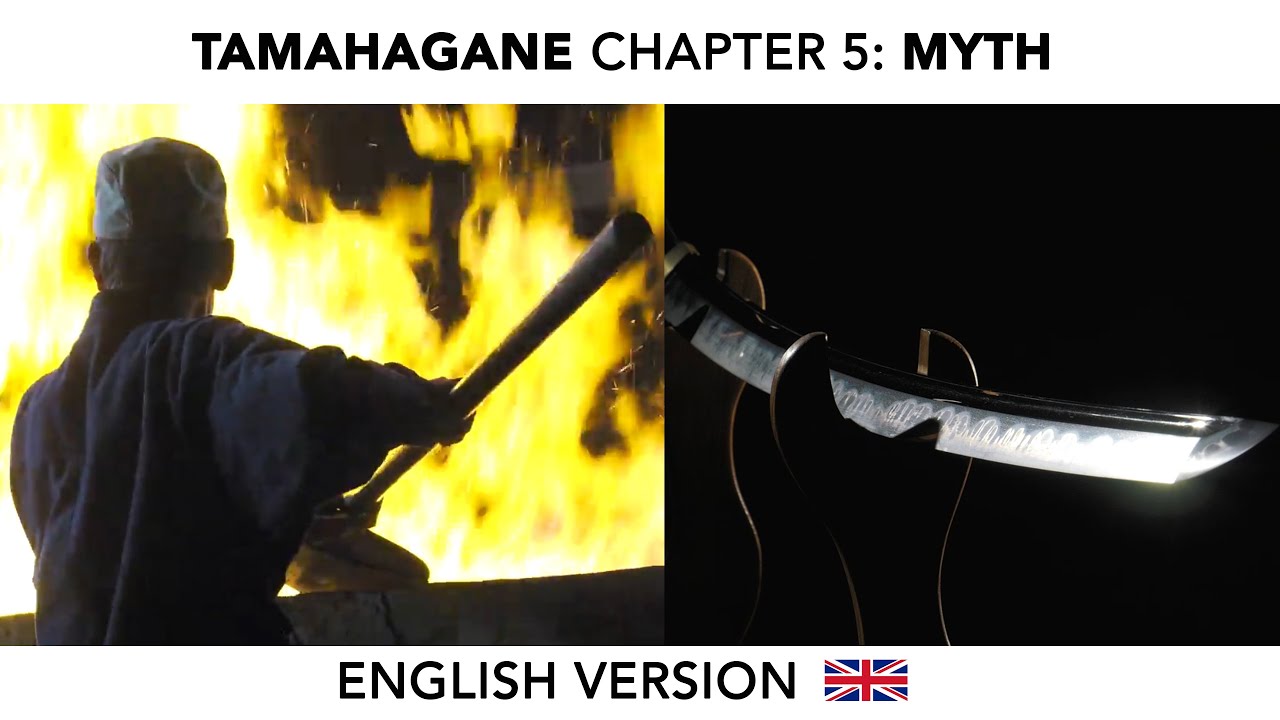
Hello dear ronins,
HERE HOW TO CUT WITH A KATANA COURSE
https://ronin-hood-online-dojo.teachable.com/?preview=logged_out
Don’t forget to like and subscribe !
All videos & references (texts) & audio copryrights in the description below.
Please practice do not imitate this training for your own safety, practice in dojo of battodo or shurikenjutsu or ninjutsu close from your home with qualified instructor.
Stay focused, peaceful mind and body healthy
Sincerely budo
RH
video references
what is tamahagane
music copyrights
Music from #Uppbeat (free for Creators!):
https://uppbeat.io/t/zac-tiessen/eastern-journey
License code: WKJHUVUHQJH7W3FF
Music from #Uppbeat (free for Creators!):
https://uppbeat.io/t/christian-larssen/kyoto
License code: O4YLBTZQE2UEA09V
‘Ronin’ by Jantrax | Japanese 🗾 Trap Music (No Copyright)
🇯🇵 Electronic Japanese Music (Royalty Free) – “Warrior” by Yoitrax
🍚 Musique Asiatique Libre De Droit – “Path Of The Fireflies” by AERØHEAD
🎎 Royalty Free Soft Japanese Music – “Yugen” by Keys Of Moon 🇺🇸
🎏 Royalty Free Epic Japanese Music – “Orchestral” by Makai Symphony 🇯🇵
🚋 Royalty Free Urban Oriental Music (For Videos) – “Fuji” by Yoitrax
🇯🇵 Samurai & Japanese (Royalty Free Music For YouTube) – “A JUST RONIN” by @SolasComposer 🇦🇺
🗾Traditional Japanese (Royalty Free Music) – “TIMELESS ONE” by Solas 🇦🇺
😸 Anime Intro (Royalty Free Music) – “SUNRISE OF YOUTH” by Kuukiko
🎌 Japanese (Royalty Free Music) – “WINDING TIDES” by Kuukiko
🪷 Asian Trap & Hip Hop (Royalty Free Music) – “808 LOTUS” by Punch Deck
websites et texts references
Episode 4: Japanese Sword Appraisers in Modern Times (NBTHK / NTHK )
Binchotan Japanese White Charcoal Tosa Region Slim Full Cut (土佐備長炭) 2KG
Tamahagane vs modern steels in swords/knives
byu/asdjalkdaawa inSWORDS
https://fr.wikipedia.org/wiki/Tamahagane
https://www.tf.uni-kiel.de/matwis/amat/iss/kap_b/backbone/rb_6_2.html
https://en.wikipedia.org/wiki/Katana
https://www.vitcas.com/prd/cty/refractory-materials
https://en.wikipedia.org/wiki/Bloomery
https://fr.wikipedia.org/wiki/Scorie_(m%C3%A9tallurgie)
https://en.wikipedia.org/wiki/Katana
https://www.japanese-cutlery.com/tamahagane/tamahagane/
https://en.wikipedia.org/wiki/Laminated_steel_blade
https://en.wikipedia.org/wiki/Japanese_swordsmithing
https://en.wikipedia.org/wiki/Katana
https://tetsutohagane.net/articles/search/files/86/1/KJ00000668732.pdf
https://fr.wikipedia.org/wiki/Tatara#cite_note-soleil_d’acier-1
https://en.wikipedia.org/wiki/Decarburization#:~:text=Decarburization%20occurs%20when%20the%20metal,contact%20with%20the%20decarburizing%20gas.
https://fr.wikipedia.org/wiki/Fabrication_de_l%27acier
https://fr.wikipedia.org/wiki/Fabrication_de_l%27acier
https://www.sanin-tourism.com/en/todo/207.html
https://katana-sword.com/blogs/katana-blog/tamahagane-katana
https://gunbai-militaryhistory.blogspot.com/2019/01/iron-and-steel-technology-in-japanese.html
https://en.wikipedia.org/wiki/Laminated_steel_blade#:~:text=A%20Japanese%20katana%20made%20of,(wood%2Deye)%20pattern.
http://jeanlouis.helardot.free.fr/page_chenes/quercus_acutissima.htm
https://swordis.com/blog/tamahagane/
https://en.wikipedia.org/wiki/Hamon_(swordsmithing)
https://www.touken.or.jp/english/
https://katana-sword.com/blogs/katana-blog/tamahagane-katana
http://kanefusa.web.fc2.com/sword.html
http://kanefusa.web.fc2.com/sword.html
https://www.touken.or.jp/english/explanation/informationcorner.html
http://ohmura-study.net/994.html#3
https://swordsmith-fusayuki.com/tsukurikata1.html
https://www.toki.tokyo/shop
http://www.ksky.ne.jp/~sumie99/sunobe.html
Home-made steel: A week at Manabe Sumihira's zuku-oshi tatara
https://en.wikipedia.org/wiki/Smelting
https://gunbai-militaryhistory.blogspot.com/2018/02/iron-and-steel-technology-in-japanese.html
https://gunbai-militaryhistory.blogspot.com/2018/04/iron-and-steel-technology-in-japanese.html
Home-made steel: A week at Manabe Sumihira's zuku-oshi tatara
https://gunbai-militaryhistory.blogspot.com/2019/01/iron-and-steel-technology-in-japanese.html
https://www.google.com/maps/place/Iwate,+Iwate+District,+Pr%C3%A9fecture+d’Iwate,+Japon/@39.1800811,140.0510338,7.52z/data=!4m6!3m5!1s0x5f851a366b0046a1:0x2099a6a63801a22!8m2!3d39.9726552!4d141.2124895!16zL20vMDNxZ3Fi?entry=ttu
myth word and meaning of tamahagane
is precious Steel in Japanese
language as he saying wter Soro uh
tamahagane is just craft there is no
mystery or magic power in it in his
opinion it is your complicated craft and
sophisticated craft but this is just
craft so men and L
make
culture and what we call in French ter
sword me from Japan extract from tatara
forace a Precious part of the steel that
will be clean through Hammer strikes and
carbon at the forge making very
sharpened blades since Nara
era the Uchi Katana has
existed craft by SSM from Japan Bel from
Shinto a Japanese religion makes
tamahagane very unique and of course
Uchi Katana since 700 of this Common
Era we’ll talk now a bit about the
center topic of this episode
merchandising aw tamahagane is an
appellation now used from other
merchandizing country to name an
alternative ibrid product far from his
roots
wine is soil people vegetable species
French Legacy Artcraft and culture from
thousand of years as example hor
cultural word and Artcraft product can
be done in other place than his soil and
cultural Legacy for me that is the
central
question from do say Kagan from China
competitivity Mass industrial market and
globalization Maybe would be the answer
would it be the same product or piece of
art than the tradition original one
technically if you extract precious
steel quality from a smelting steel
process everywhere in the world with
steel of 0.6 to 1.5 carbon steel content
with great quality folding forging
quenching no matter which steel origin
industrial or smelting traditional it
will work for getting ma
bamboo or
paper we could say that is precious
steel because great for making a sword
but is it
tamag technically culturally and
ethically we can just say no it is not
tamahagane in my opinion and the in the
opinion of the Japanese government I
don’t think we could say it is
tamahagane as wine we could say it is a
copy from from any country or that is a
tamahagane from another country simply
because you need all the components come
from Japan to make tamah haani you need
tatara with clay from Japan you need
iron s saitu from Japan you need
shal clay heat
temperature 1,300 de or 1, 1500°
depending on kosi or Zuki
you need water people Artcraft to say it
is
tamahagane as the appellation in France
for wine a o control the origins species
and Artcraft from the product the same
exist for swords from Japan the iron ore
is the raw material shiman is the region
Katana is sword shaped design so the
origin of manufacturing is really
important for quality or authenticity of
the Artcraft same with French
wine as example I take the French wine
because it is hardcraft too and you have
seage like vegetal species melot what we
call melot you have the region can be in
France or in California appellation aop
in Europe or AOC in France will
guarantee origin and quality a melod
from French is not the same taste than
Melo from California because of craft
air soil raw materal from the region
controlling the origin of product is
really important this is why nbthk has
been created in Japan to protect
Japanese sword craft
Heritage extension and Rebirth of Uchi
Katana in the middle of Magi period 1868
to 1912 with the import of cheap steel
from overseas the demand of for Japanese
iron decreased
considerably duee to the rapid spread of
Western iron which is refined from iron
ore and contains many impurities
produced by modern Western steel making
methods the few remaining techniques of
iron pressing mashi where too ra le
reved as Yasukuni tatara from 1943 to
1945 due to the wartime demon of
military
swords but this appeared from the
Republic seen again after the defeat of
World War II the number of Sword Smiths
decreased greatly after this period but
a few continued to make sold from the
small stock of Yasukuni
tatara after Magi era it was the
extension of the samurai sword with the
extension of the Samurai
era after second World War II American
operational unit ghk tried to to
confiscate all sort of Japanese weapons
in
1948
nbthk has been created to preserve
Japanese Heritage the nion nutu toen
mo the Japanese art sword presentation
committee to protect Japanese art and
history creating a governmental entity
and has issued the largest number of
origami for Japanese SW what is origami
origami where sharpeners craft men able
to create certificate for antique swords
in
1948 this organization protect antique
Katana nto delivering certificate of
authenticity with different rating since
this year rating one very important
sword tokubetsu zuo rating two important
zuy rating three specially preserved
tokubetsu oen rating four preserved
oen NK non-profitable organization nonon
tuen o Kai the Japanese sword
preservation Society also exist from
1910 post Samurai era has three ranks
ranks one valuable means precious yushu
Saku R ranks two
upraised contal ranks fre authenticated
Shin show so the rebirth in 1977 of the
samurai sword with opening of
traditional F tatara of
shiman and Manufacturing modern Japanese
sword G sh shinsako crafting by sword
Smith from
Japan the association for the
preservation of Japanese art swords and
Itachi Metals the only remaining special
steel manufacturer
took the situation very seriously and in
1977 decided to close the Yasukuni
tatara to allow swordsmith to continue
to make
swords believing that Japanese swords
are not weapon but works of art in 1977
the site of the Yasukuni tatara which
had been closed was renamed Nito tatara
and restored to the present day the
Japanese sword is one of the more
world’s great steel Awards of art tabuki
is the ancient Japanese method of
producing tamahagane the material used
is traditional Japanese sold production
oku Zumo now located in shiman
prefecture of the sanin region has been
the center of the tabuki method of steel
production since ancient times however
this method was discarded following the
introduction of modern steel
manufacturing techniques in 192 25
during the war the increasing demand of
military swords prompted the Revival of
the Tatar Ruki method and the founding
of the Yasukuni tatara in oku isumo in
1933 however the tatara was closed
following Japan’s defeat at the end of
the second world war in
1945 the nion BSU token ozone kokai
nbthk was funded after the war its
primary go goal was to preserve the
Japanese sword and its manufacturing
techniques as a traditional culture in
1976 the nbthk assumed responsibility of
the Yasukuni tatara under the patronage
of the national
treasury later the tamahagane production
process was recognized as a traditional
craft designed it for preservation by
the minister of Education in addition to
producing steel Theo tatara also trains
craftmen in tamahagane
production the tamahagane is distributed
to souls sm all over Japan and
contributes to the preservation of the
traditional skills of Japanese art sword
production in 1977 the late Nito hotatar
operators yo Z zuu ab and kji kumura
were appointed as the selected
conservation technology title holders
other recipients of the title included
Akira kihara in
1986 and katsu EO wanabi in
2002 the ntoo tatara Japanese soil
preservation Association which still
operates every winter in oku isumo city
shiman prector produces about one ton of
tamahagane per production cycle one
generation and as the process is carried
out three times three generations you
during this period the resulting
tamahagane is about three tons and is
distributed to Smith through out
Japan the fact that tatara iron making
is still in operation today is due to
the extraordinary effort of how
predecessors Yasukuni tatara and N too
tatara were graded according to
different standards with Yasukuni tatara
having four quality levels crane Pine
bamboo and plume
in nto tatara the quality is divided
into three levels first grade seven
grade and third grade the highest
quality tamahagane such as first and
second grade is used for making
SS the standard for grading the quality
of tamahagane in tatara Yasukuni was
determined by the carbon content as well
as the impurities the highest quality
tamahagane has a carbon content of
about 1.5% of carbon
steel as we yasara the criteria for
classifying the quality of Nara tamahan
include carbon content and impurities as
well as the appearance of the material
when refined into
tamahagane the criteria for premium
tamahagane are a carbon content of
1.0 percentage of carbon in the steel to
1.5 percentage of carbon in the steel
very small impurities and a uniform
fracture surface the cross-section of
the metal went crushed for second grade
tamahan carbon content of
0.5% of carbon in the steel to 1.2
percentage of carbon in the steel very
small impurities and a slightly uniform
fracture
surface and for third grade tamahagane a
carbon content of 0.2 to
1.0 percentage of carbon in the steel
very small impurities in a slightly
uniform fracture surface the third grade
product had a carbon content of 0.2 to
1.0 percentage of carbon in the steel
and the fractor surface was rough Al of
detail component analysis was not
available it can be seen that the tamag
used for sword making was selected based
on the fracture surface condition after
grening the Nito hotatar produced about
2 tons per operation
of which about one ton was tamahagane
and only 20% was premium tamahagane
which shows how valuable the tamag used
for swords was tabuki is operated every
winter ntoo Tatar is a large traditional
foress for producing Iron and steel it
is operated by the nion BSU token hosen
qai NBT HK tabuki is designated as a
selected conservation techniques the
stem of designated selected conservation
techniques was established through an
amendment to the law for the protection
of cultural properties in
1975 for the purpose of supporting
important intangible cultural assets 29
groups and 52 people are recognized as
selected conservation techniques as of
2010 in this present time exporting
tamahagane out from Japan is prohibited
by the Japanese government
the myth with Mod steel technically a
Kat from 1,95 or T10 modern Industrial
Steel can cut the same way anot or
bamboo or
paper refractory material used with
modern metalogical fores getting to
3,000 de C higher temperature than
traditional fores Limited at
1,300 Celsius building a better more
pure steel as we have seen before I
didn’t try to cut on a Kabuto but many
YouTubers tried on piece of metal with
modern steel katana from China even
Industrial Steel is far from tradition
it seems more resilience for shocks or
stress during cutting test because
modern Steel come from industry as
purest quality of iron as raw material
with iron oxide mod steel cost a lot
less than a traditional steel it’s about
100 times less
modern tamahagane Katana made in Japan
by modern soulsmith is very expensive
and limited in matter of
yield some Japanese soul trainy and
famous YouTuber as let’s ask shogo even
say that iron s raw material satu and
steel from Japan was so
metallically poor of poor quality in the
past
time that it’s not a great steel as
steel we can can easily understand that
if the raw material is too poor quality
took so much hard work from Japanese
soulsmith to make it stronger by folding
to be more resilient and efficient for
military life in field all time like we
have seen before about construction with
the mono steel that was more strong as
kotto than lamination construction of a
later AO period as a FM Stefan Ro
soulsmith from Germany in Dr spray
interview modern seal is vastly superior
than old material in the regard of
tensil
strength as he said tamahagane isn’t
used in Japan in order to make maximum
performance Katana today but to make
artistic and traditionally made swords
he is saying however comparing spring
steel and Tian with tamah shinsako sword
I have another opinion from experience
with both for tamashi practice comparing
modern steel katana from China with
modern tamahan Katana from Japan we will
talk about that later stepan rool saying
also neonto from
1750 shown on video from his collection
practical as he said 150 years ago until
tamag was the only
option because tamahagane was an only
historical country option for making
sword at that time in
Japan in
1750 he’s saying ancient Master would
better appreciate mod than steel because
modern steel are made with iron purified
over 300° C higher temperature in for a
than traditional
tatara that can only reach 1,300 de C in
modern steel impurities are add back in
afterwards we have seen all of that when
we were talking about about modern
Steel in the precious steel second
chapter more than irons have been
extensively purified before sale modern
tamahan is near identical to Modern
steel because it’s impossible to buy raw
material anymore with iron sand bad
quality folded steel only aesthetic all
purpose in present day as he’s
saying he’s saying also Soul Myer is
sacred place in Japan soulsmith is a
Shinto priest it is a part of a Shinto
istic
ritual it is really important to
understand this part about the
spirituality and the cultural identity
of the Uchi Katana and
tamahagane then to understand the
Practical aspect that evolved from the
aan era to the this present era so you
see how it’s complex to understand what
is
tamahagane because the quality evolve a
lot in Japan depending on the quality of
the
iron and the two ways of making tatara
and also on the blade construction and
the way of forging Uchi Katana from 700
of this Common Era to um this present
time so Japanese swords evolve a lot and
the quality of Forge and raw material
also so we can say that for the moment
the mono steel kotto from uh Kamakura
era was maybe the stronger with 0.8
percentage of carbon and today with the
modern still we are really closer and
all the modern Katana made in Japan
should have the same level of quality
because the same raw material as pure as
uh the modern steel do
2 Comments
Nihonto. The most overrated sword in galaxy.😂
Polish winged hussars saber is following it 😂😂
And I am from Poland. Believe me there are guys in Poland who are obssesed with winged hussars sabers 😅😅😂😂
Time to build a spaceship out of tamahagane 😂😂😂😂😂