
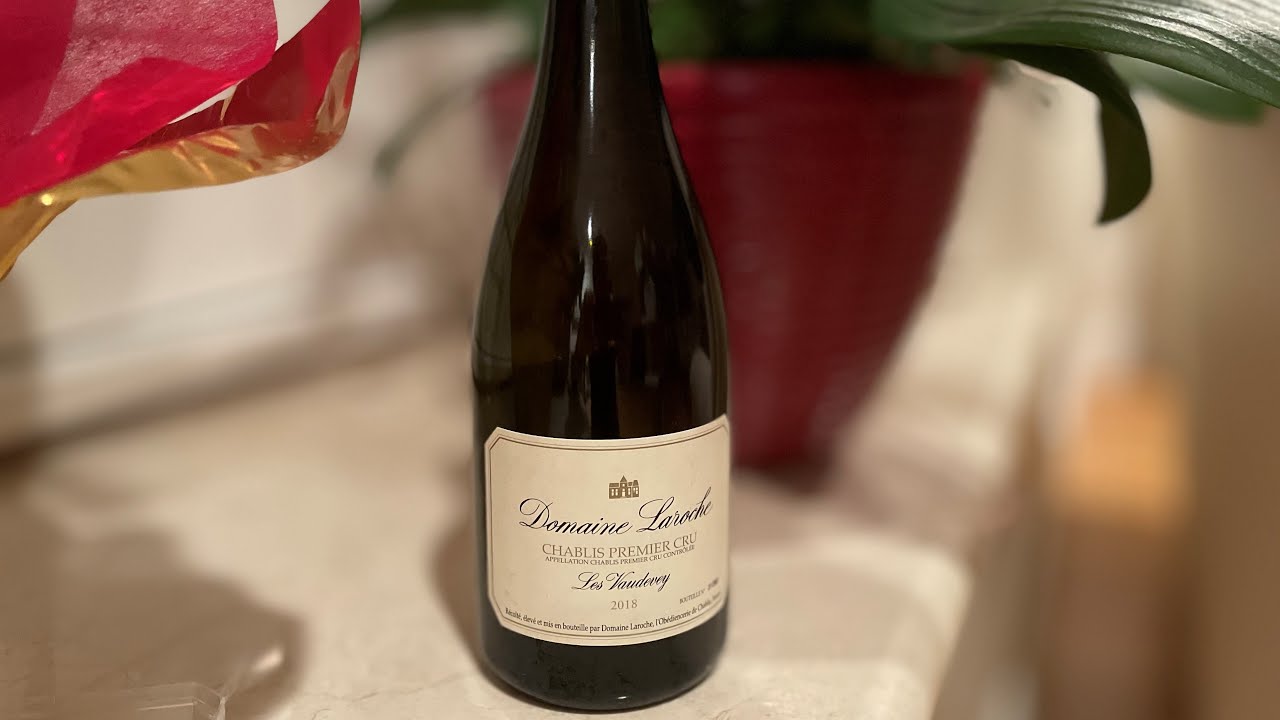
Domaine Laroche has its headquarters in Obediencerie (formerly a monastery), which is where the wine was made in the Middle Ages over 1000 years ago. Domaine Laroche still ages their Premier and Grand Crus in the cellars at Obediencerie. Domaine Laroche was established in 1850 by Jean Victor Laroche. The family continued to expand its vineyard holdings but many factors lead to the decline of wine growing in Chablis: 1/ Phylloxera and powdery mildew in the late 19th century; 2/ Opening of the Paris-Lyon-Marseilles railway 1856 reduced allowed inexpensive wine from other region to flood the Paris wine market and decrease the share of Chablis that was drunk; 3/Persistent frost in the 1950s and 1960s led many producers to change their vineyards to produce cereal crops and raise animals. In the 60s, young Michel Laroche (only 17) was convinced about the potential of Chablis region and started purchasing vineyards for the family. Laroche now owns 90 hectares of vineyards in Chablis and is one of the largest wineries in the region. In 1985, they purchase Obediencerie as their headquarters.
This wine, the Domaine Laroche 2018 Chablis Premier Cru Les Vaudevey, is produced from a region that is a cool and narrow valley with rocky topsoil. Vaudevey translates to “Valley of the Humid Place” since the area is located where the river is used to flood the valley. Laroche is only one of 3 producers who own lands in Les Vaudevey. The wine is fermented for 3 weeks, 74 % in stainless steel vats and 26% in French oak barrels. It is then aged 9 months in the same vessel types as fermentation. Then, the wine will be blended and aged further on fine lees for about 4-6 months depending on tastings.
After I drank the wine, I was shocked to find it was given a 84 Wine Spectator rating. While I have tremendous respect for the tasters from Wine Spectator, I don’t agree with this rating and just shows you that you must taste yourself and make your own judgments on wine. I hope that consumers will look past this rating and give it try for themselves.
I do know that there is currently some controversy in Chablis as with global warming, Chablis producers are producing heavier/richer wines. Some people call this a renaissance…..others call it a travesty. I actually liked this wine which still has elements of a Chablis but also tasted more like a Cote de Nuit Burgundy white wine. I think the knock on Chablis is it is commonly steely and bone dry to a point where it is tasteless. Personally, I am a fan of this more modern style…controversy creates interest and Chablis could use a little more attention!
For more information about this winery, please visit their website at