
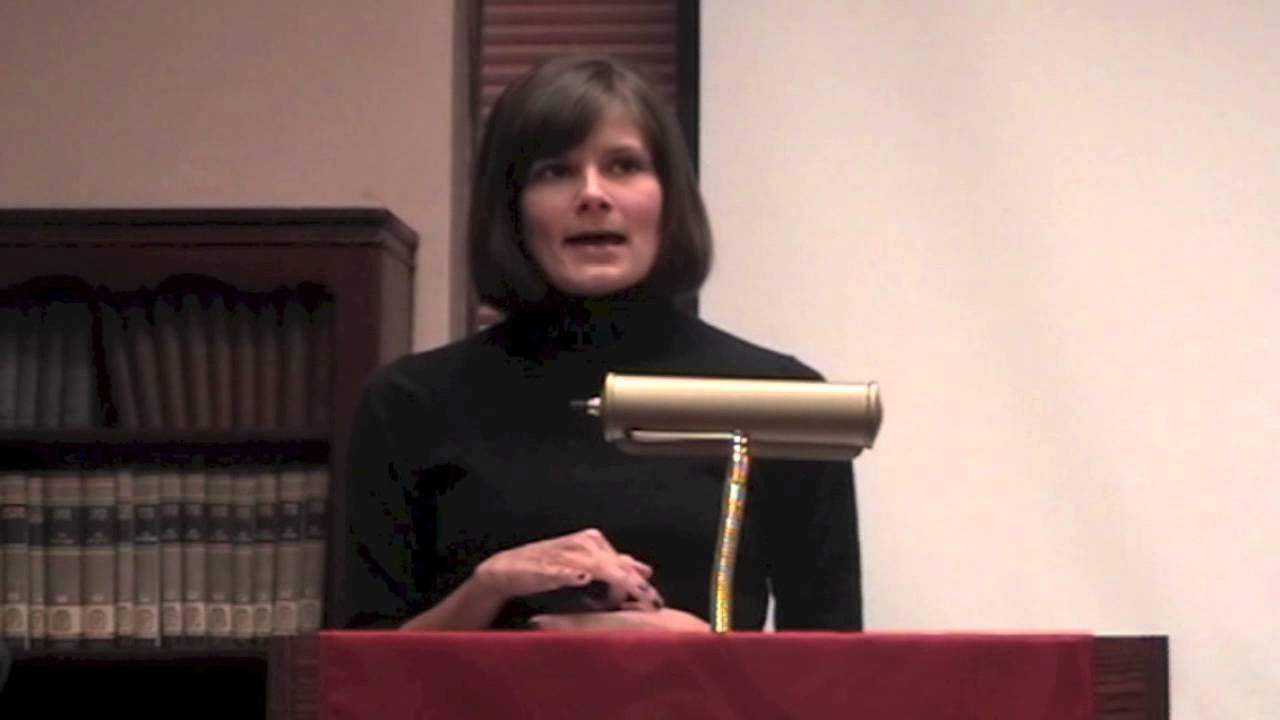
Kelly Erby at the University of Minnesota’s Institute for Advanced Study, October 28, 2010. In the early nineteenth century, the act of cooking was treasured in America as a sacred female duty and a patriotic act. In their kitchens, wives and mothers prepared foods characteristic of an emerging national diet that nourished their family’s bodies as well as their virtue. But, by the late 1820s, the rise of commercial dining in urban centers began to undermine women’s domestic role as food provider. At the same time, rising immigration and the growing influence of ethnic foods and methods of eating in commercial establishments—especially the introduction of French restaurants—threatened to stint the further development of a distinctly “native” cuisine. This presentation traces antebellum America’s burgeoning multicultural commercial dining landscape and the challenges it posed to gender roles and national identity during this period.
Kelly Erby received her Ph.D. in American History from Emory University in 2010. She has held fellowships at the University of Michigan and Massachusetts Historical Society and currently teaches at Georgia State University. Her visit to the University of Minnesota was organized by the Design, Architecture, and Culture and the Global Cultures Groups of Quadrant.