
we finally wrapped up our renovation a few months ago. overall, i’m really glad we did it, but wow… so many small decisions ended up turning into expensive ones later.
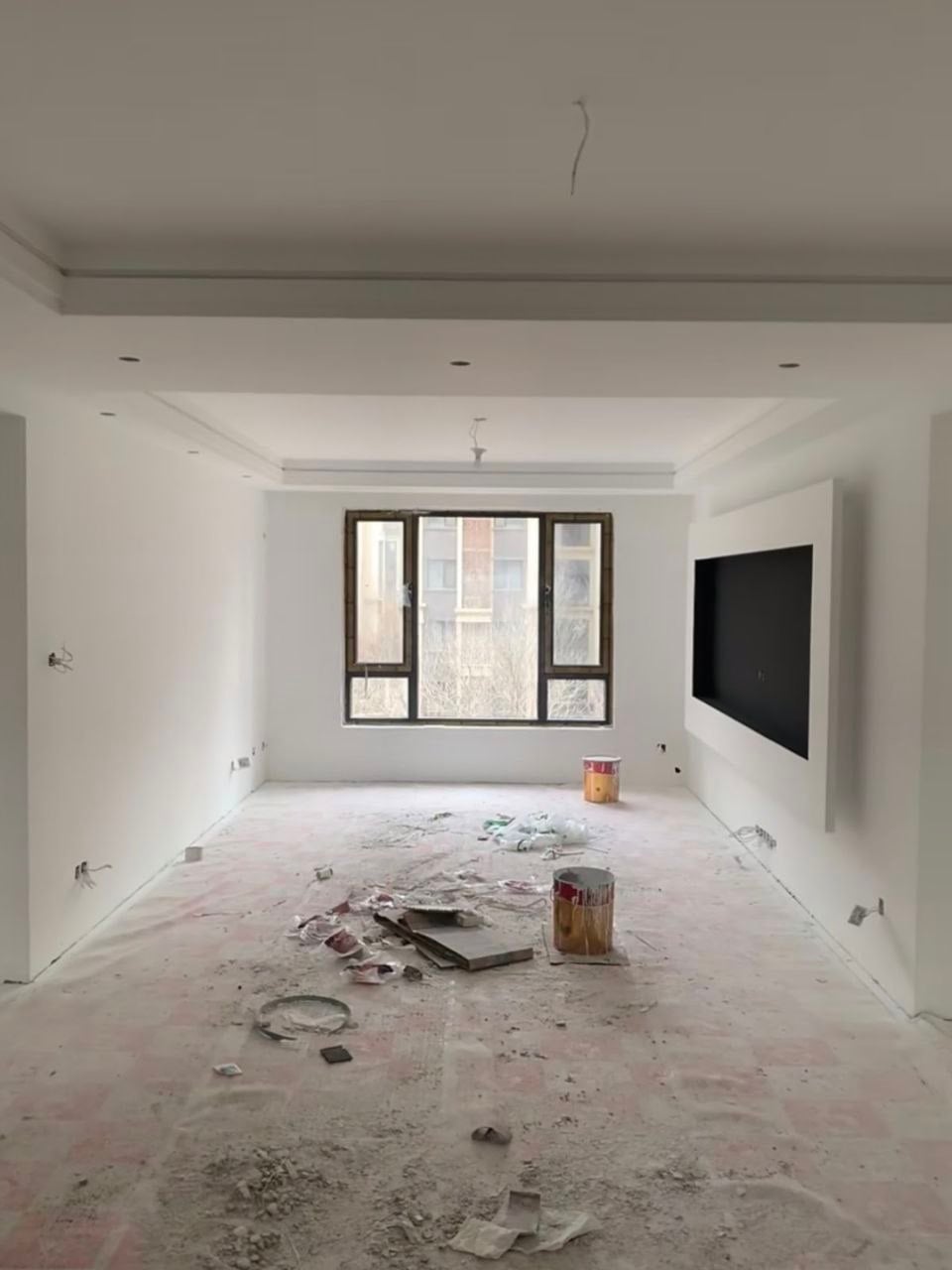
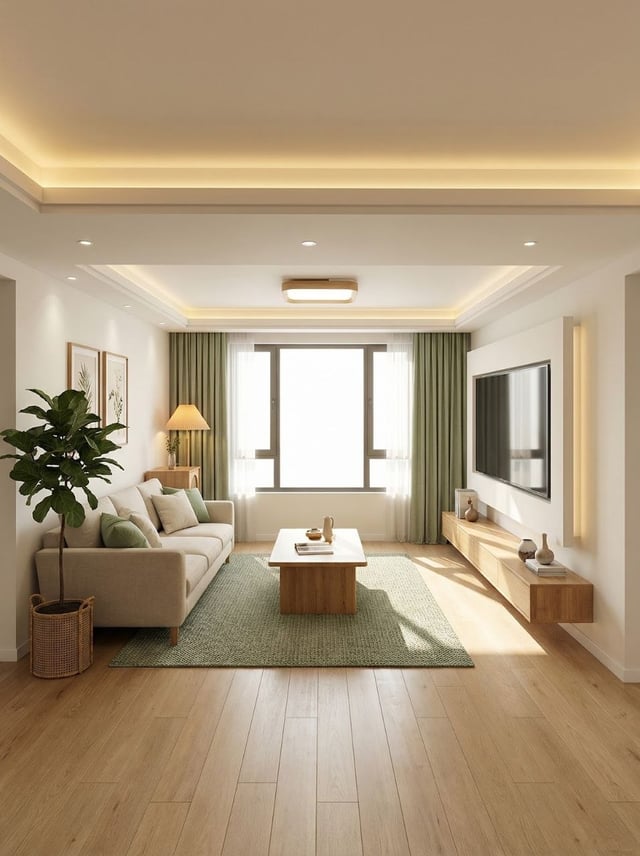
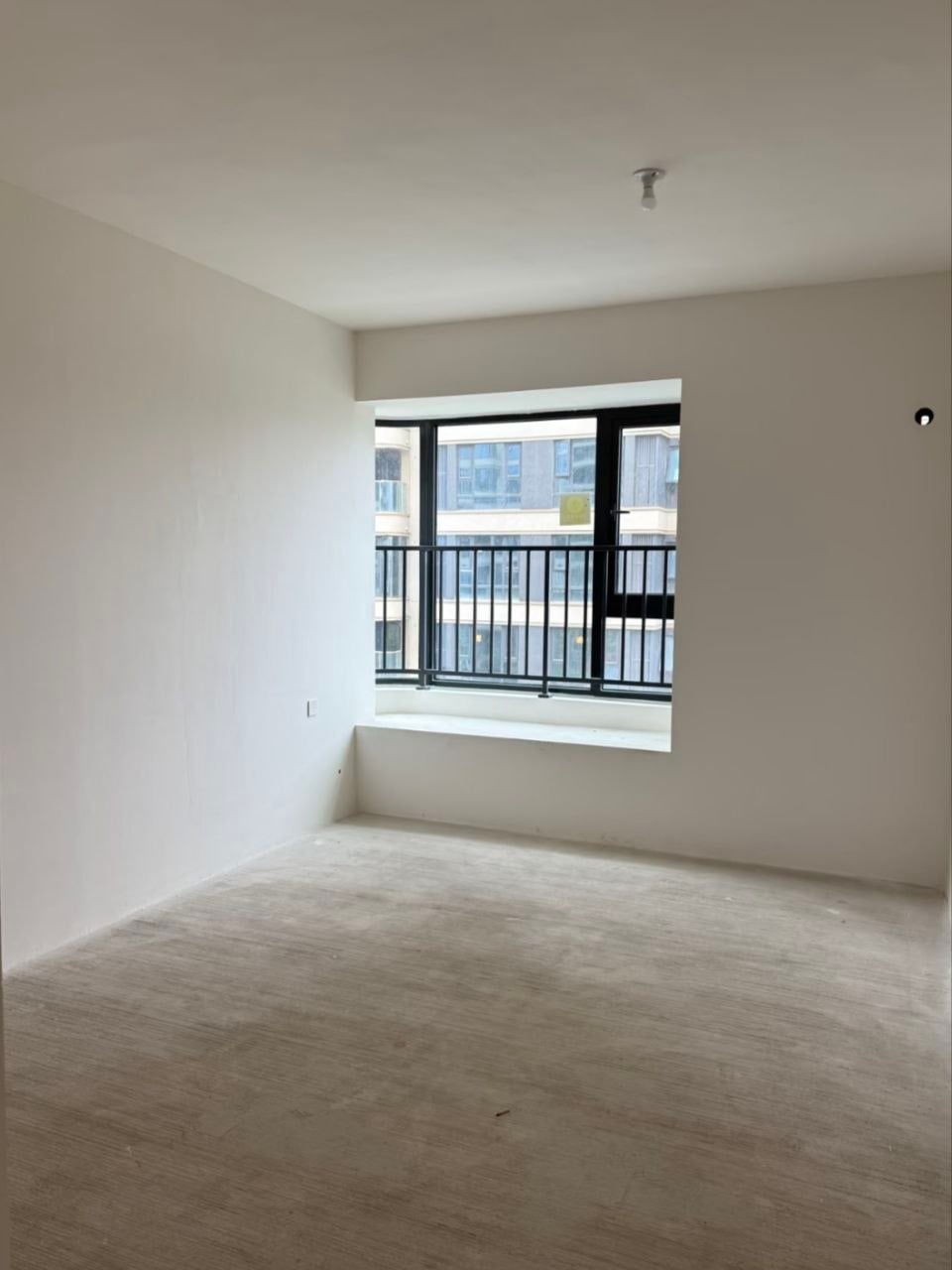
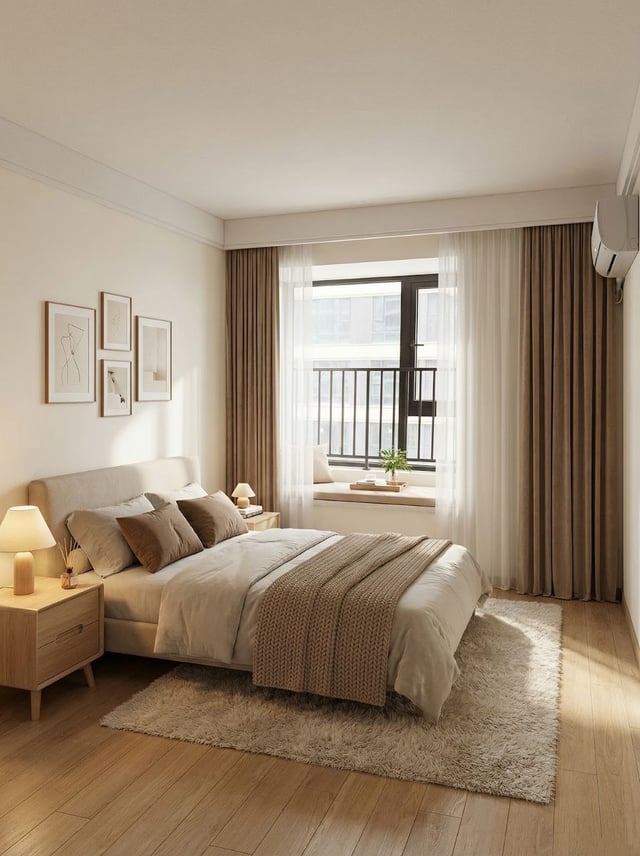
(i attached a few before photos of the space, plus some early AI concept mockups i used to figure out the direction. just to be clear, those renders aren’t our final real-life rooms. they were mostly there to help me think things through and avoid buying blindly.)
thankfully, nothing major went wrong. but if i could do it all over again and save myself some stress, rework, and last-minute spending, these are probably the 6 things i’d do differently:
- lock in your style before buying anything
i’m very much a ‘figure it out as i go’ person, so early on i kept casually browsing decor, furniture, and art. the problem was, i liked how everything looked on its own. once it was time to make the room actually feel cohesive, i realized a lot of those pieces were nice individually but didn’t really belong in the same house. cue returns, replacement purchases, and way more second-guessing than i expected.
- colors do NOT look the same in your actual home
paint, wood tones, tile, even curtains looked completely different at home than they did in stores or online. anything that covers a big surface can shift a lot depending on daylight, warm lighting, or just the time of day. i originally leaned toward richer colors for the walls, floors, and furniture, but once everything was lit up together it started to feel busier than i wanted. we ended up going with softer off-whites and more neutral finishes, but even then i learned the hard way that ‘off-white’ still comes in a million different versions.
- seeing a rough visual first saves more money than people think
one of our biggest mistakes was approving ideas that only existed in our heads. i tried a few basic mockup tools at first, but honestly, dragging color blocks around still felt too abstract for me. later i used a few visualization tools, including an AI app called Home Guru, to generate rough room concepts based on photos of the unfinished space. that helped a lot, mostly because some choices looked obviously wrong the second i saw them laid out, which is definitely cheaper than realizing it after materials are already ordered.
- sourcing art and decor takes way longer than you think
i seriously underestimated how hard it would be to find wall art and smaller decor pieces that didn’t feel either too generic or too overpriced. weirdly, some of my favorite finds came from Etsy, local vintage sellers, flea markets, smaller Instagram shops, and secondhand marketplaces where people were selling framed prints or old mirrors. honestly, hunting for those pieces ended up being one of the most fun parts, because once i stopped trying to force personality through big color choices, those smaller details did a much better job of making the space feel like ours.
- budget for the boring stuff, not just the pretty stuff
we budgeted for furniture and decor, but not nearly enough for all the annoying little costs that pile up fast. delivery fees, hardware swaps, extra paint, patching, trim fixes, small sizing mistakes, last-minute changes… that’s where a surprising amount of money disappeared. none of it felt huge on its own, but together it absolutely was.
- be extra careful with final finish decisions
we rushed a few finish decisions just to keep things moving, and that was probably our most expensive mindset. for example, we picked the floor tone before fully thinking through the cabinet color, and we signed off on some built-in dimensions that looked fine on paper but felt awkward in real life. fixing those things later cost way more than taking a few extra days upfront.
anyway, i still really love the house now. but i also feel like if i’d had a little more experience going in, we probably could’ve saved a decent amount of money too.
curious what your most expensive ‘should’ve thought of that earlier’ lesson was?
by Apprehensive_Try9500
2 Comments
what did you use to make the mockups? i’ve tried a couple of tools for this before and some of them were actually pretty decent, but honestly felt a little expensive for something i’d only use once in a while.
i used Home Guru. i mostly just wanted something simple so i could test ideas before buying anything, and it ended up being way more useful than i expected.