Costieres de Nimes is a bit of an oddball appellation. Formerly part of Languedoc, it got moved over into the Rhone a few years ago. But although it is part of the Rhone, it isn’t considered part of the Cotes du Rhone. Cotes du Rhone is often seen as the overarching Rhone appellation similar to Languedoc AOC or Bordeaux AOC, but unlike those, Cotes du Rhone doesn’t cover big chunks of what is officially considered “Rhone”. These appellations cannot make wine that is labeled Cotes du Rhone. These include Costieres de Nimes, Clairette de Die, Ventoux, and Luberon among others.
Costieres de Nimes was moved to the Rhone because they primarily use Rhone varietals – Syrah, Mourvedre, Grenache, Carignan, and Cinsault are their primary red and rose grapes. It isn’t typically considered the most prestigious appellation, and prices for most Costiers de Nimes are pretty affordable. Personally, I was never really impressed by most Costieres de Nimes wines that I’ve had before, and it wouldn’t be the first appellation I reach for, not when the neighboring southern Rhone crus are affordable and widely available. It’s not generally seen as the greatest appellation in the Rhone, and most bottles from this region clock in at $20 or less.
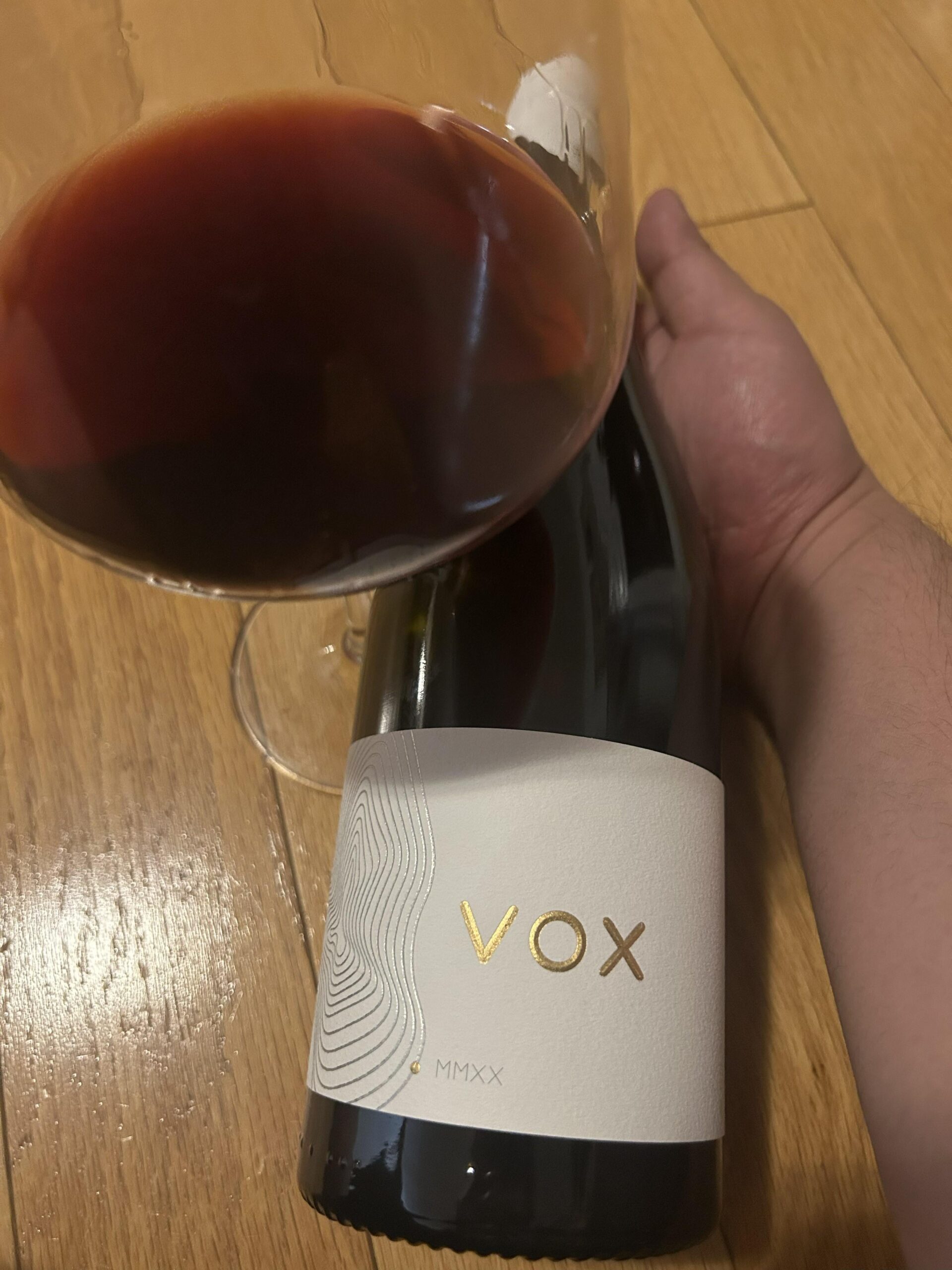
Now I paid $84 CAD for this bottle. On paper, $84 for a Costieres de Nimes is an absurd price for this appellation – It’s like twice the price of the next priciest Costieres de Nimes on Wine-Searcher! Well, I figured that if there was a bottle from this appellation that stands a high chance at impressing me, I might as well reach for the single most expensive one, and besides, there’s a great selling point here:
According to the tech sheet, the vineyard where the grapes were grown for this bottle used to be a Roman vineyard, first cultivated ~2000 years ago. This bottle is a blend of Grenache, Carignan, and Syrah. Organically farmed, manually picked, and partially whole cluster fermented.
On the nose, I’d say the wine is fairly concentrated, with a lot of intense ripe strawberries, backed up with a little bit of citrus and herbs.
In the mouth, this is an absolutely delicious, drinkable, utterly smooth wine. I know rationally that it is bone dry, but the fruitiness is so intense, I’m subconsciously filling in a bit of sweetness. Lower in acidity, but not necessarily flabby. Extremely smooth and drinkable.
The finish is long, but the tannins levels are lower.
I really like this one, it is just so incredibly juicy and drinkable. The producer says this is a wine that is very age worthy. Personally, I’m not entirely sure I’d do that as I think tannin levels are already a bit low, and I wouldn’t want less. But at the moment it is dominated by intense primary fruit – perhaps some age would expose some more complexity.
You know, this bottle makes me think – on average, some of the most interesting bottles I’ve ever got were the priciest bottles from cheap appellations. I mean, if a producer can consistently command extremely high prices compared to other producers in the appellation, it is a positive indicator that they are doing at least something right.

1 Comment
Costieres de Nimes is a bit of an oddball appellation. Formerly part of Languedoc, it got moved over into the Rhone a few years ago. But although it is part of the Rhone, it isn’t considered part of the Cotes du Rhone. Cotes du Rhone is often seen as the overarching Rhone appellation similar to Languedoc AOC or Bordeaux AOC, but unlike those, Cotes du Rhone doesn’t cover big chunks of what is officially considered “Rhone”. These appellations cannot make wine that is labeled Cotes du Rhone. These include Costieres de Nimes, Clairette de Die, Ventoux, and Luberon among others.
Costieres de Nimes was moved to the Rhone because they primarily use Rhone varietals – Syrah, Mourvedre, Grenache, Carignan, and Cinsault are their primary red and rose grapes. It isn’t typically considered the most prestigious appellation, and prices for most Costiers de Nimes are pretty affordable. Personally, I was never really impressed by most Costieres de Nimes wines that I’ve had before, and it wouldn’t be the first appellation I reach for, not when the neighboring southern Rhone crus are affordable and widely available. It’s not generally seen as the greatest appellation in the Rhone, and most bottles from this region clock in at $20 or less.
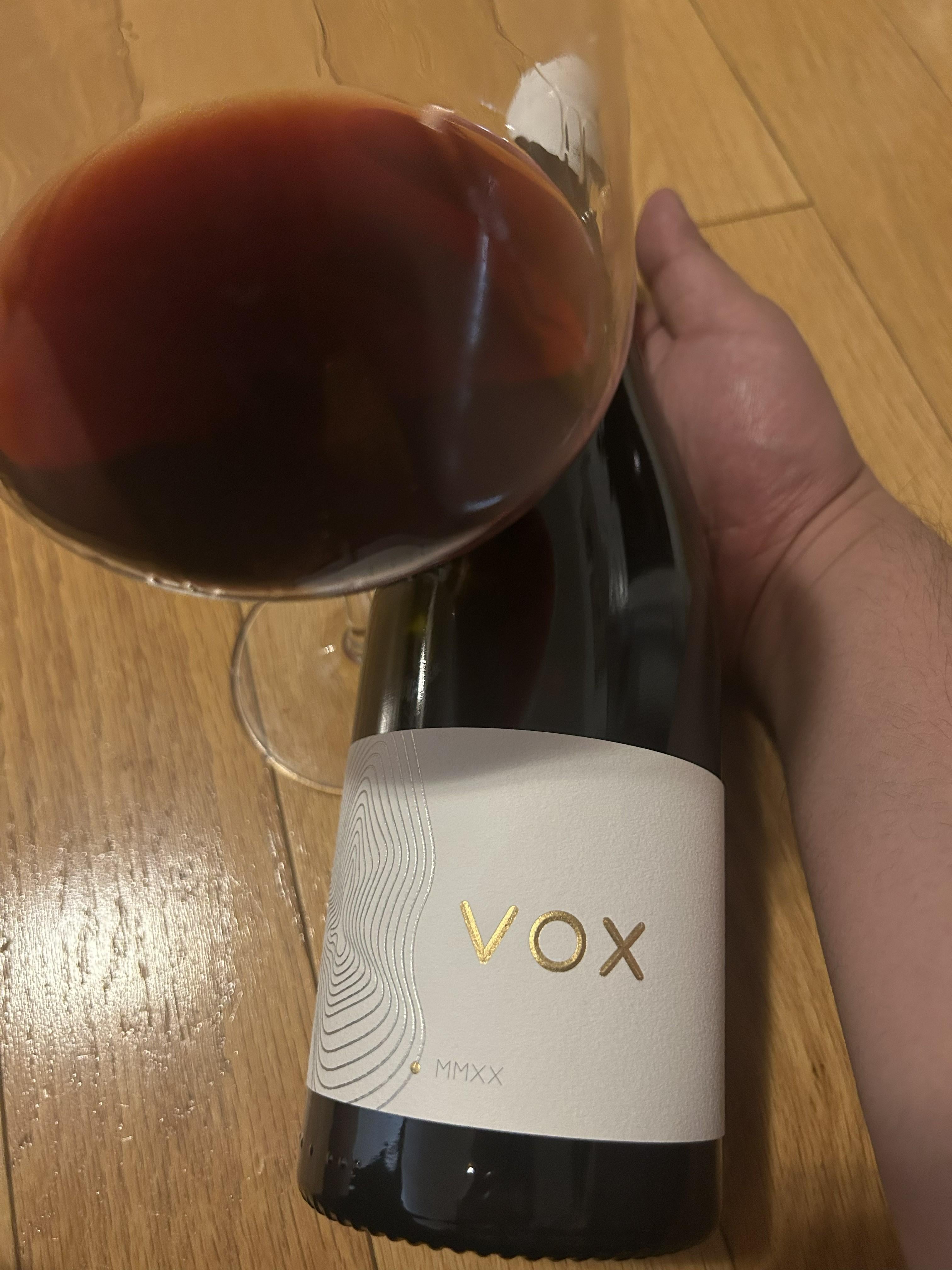
Now I paid $84 CAD for this bottle. On paper, $84 for a Costieres de Nimes is an absurd price for this appellation – It’s like twice the price of the next priciest Costieres de Nimes on Wine-Searcher! Well, I figured that if there was a bottle from this appellation that stands a high chance at impressing me, I might as well reach for the single most expensive one, and besides, there’s a great selling point here:
According to the tech sheet, the vineyard where the grapes were grown for this bottle used to be a Roman vineyard, first cultivated ~2000 years ago. This bottle is a blend of Grenache, Carignan, and Syrah. Organically farmed, manually picked, and partially whole cluster fermented.
On the nose, I’d say the wine is fairly concentrated, with a lot of intense ripe strawberries, backed up with a little bit of citrus and herbs.
In the mouth, this is an absolutely delicious, drinkable, utterly smooth wine. I know rationally that it is bone dry, but the fruitiness is so intense, I’m subconsciously filling in a bit of sweetness. Lower in acidity, but not necessarily flabby. Extremely smooth and drinkable.
The finish is long, but the tannins levels are lower.
I really like this one, it is just so incredibly juicy and drinkable. The producer says this is a wine that is very age worthy. Personally, I’m not entirely sure I’d do that as I think tannin levels are already a bit low, and I wouldn’t want less. But at the moment it is dominated by intense primary fruit – perhaps some age would expose some more complexity.
You know, this bottle makes me think – on average, some of the most interesting bottles I’ve ever got were the priciest bottles from cheap appellations. I mean, if a producer can consistently command extremely high prices compared to other producers in the appellation, it is a positive indicator that they are doing at least something right.