Had notes on these wines for a while before I went on vacation but I went around and decided to review wines that were two grape blends to see how they compliment each other in making a final product.
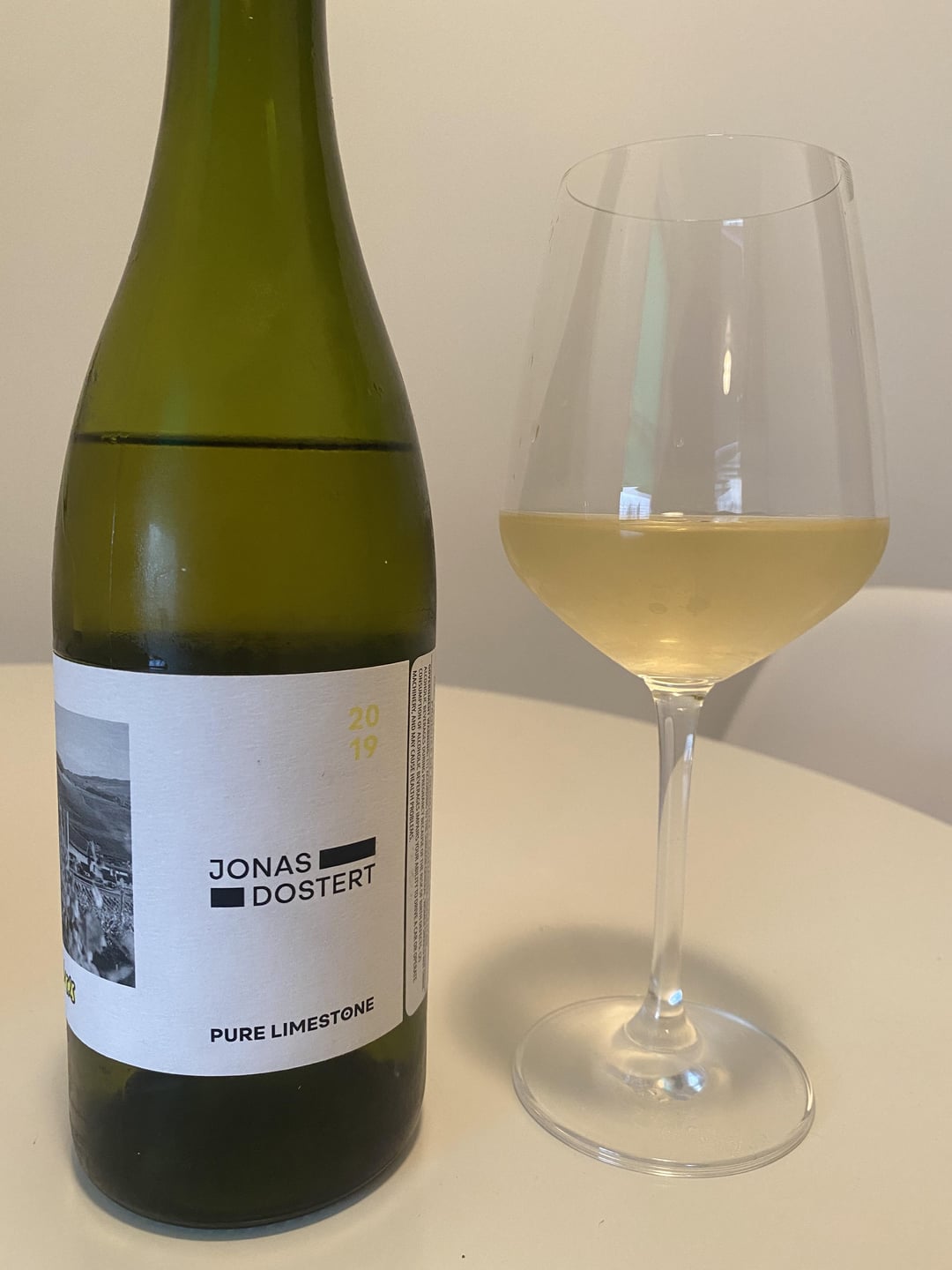
**Jonas Dostert, Pure Limestone:** 50% Chardonnay, 50% Elbling, early picked, direct press, elevage in old barrels, minimal use of sulfur. Purchased from Brooklyn Wine Exchange in Brooklyn.
Aromas of quince, golden delicious apple, quinine, and white peach, it’s a very clean slate, medium intensity nose where the character doesn’t jump out of the glass, but it is fresh and clean. The palate is very dominated with tangerine, Granny Smith apples, yellow grapefruit, lemon zest and a touch of floral quality. Acid is laser focused, precise and tight but in balance with itself so as to let the flavors not dip or become too singular. The Chardonnay adds some weight to give some roundness to the wine as well which makes it such an easy sipper for me.
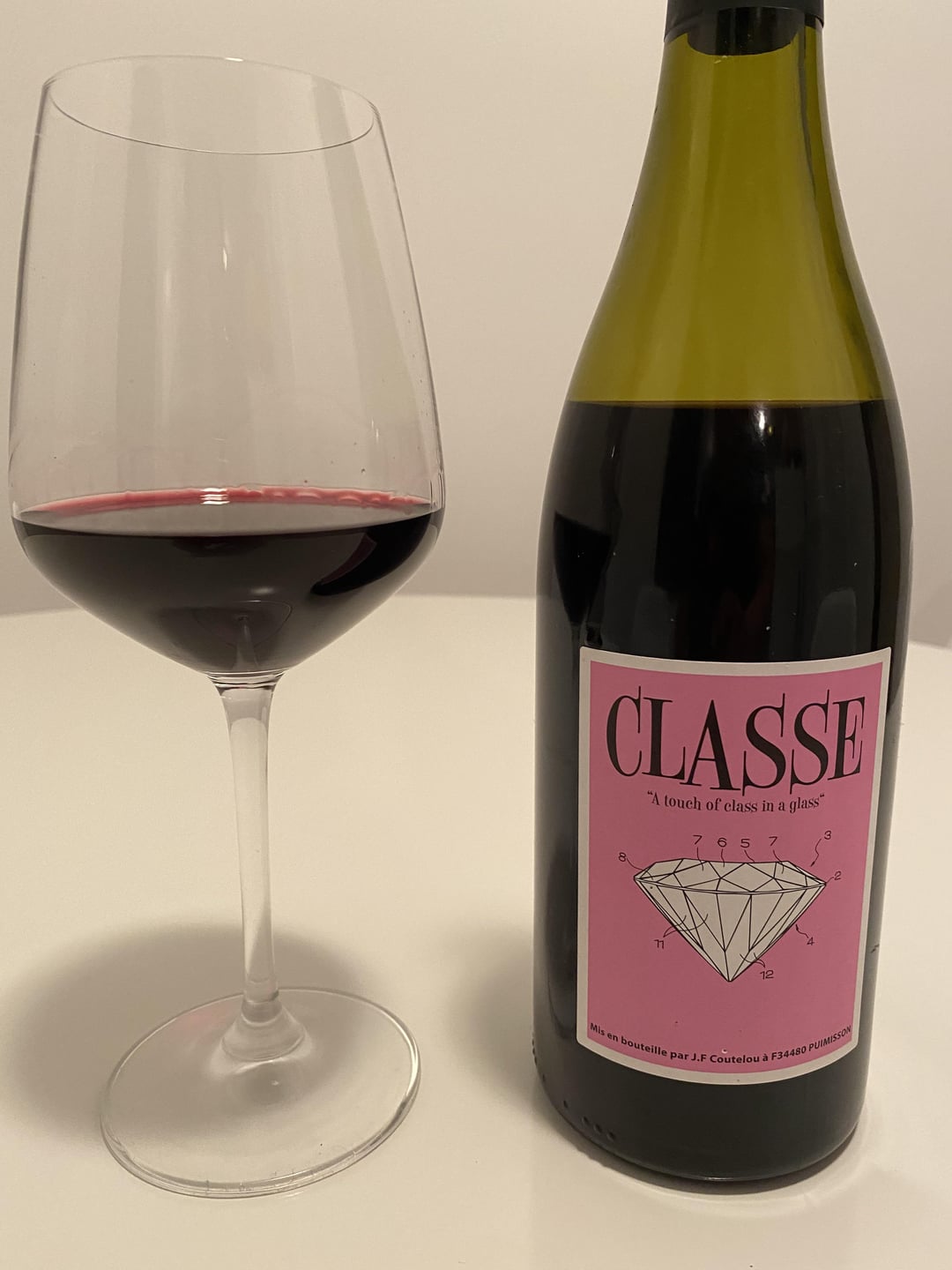
**Mas Coutelou, “A Touch of Class in a Glass”:** 60% Syrah, 40% Grenache, Languedoc based, chalky-clay soils. Purchased from Discovery Wines in Manhattan.
An opaque wine with a density and richness yet with alluring aromas and high-toned fruit. On the nose, stewed blackberries and blueberries, ripe plums, barbecued meats, hints of leather and crushed strawberries. Medium bodied, it is lighter than one would expect at such a high ABV (14.5%) but there is a soft wave of heat there, alluding to a wine with ripe fruit full of character. More red fruit dominant in flavor, red currant, blood orange, leather, pipe smoke, and dried herbs crusted over a charcuterie board. The savory elements and stark minerality helps to cut down on the dominating red fruit while the medium acid and subtle prickliness brings enough to keep the palate prepped for another glass.
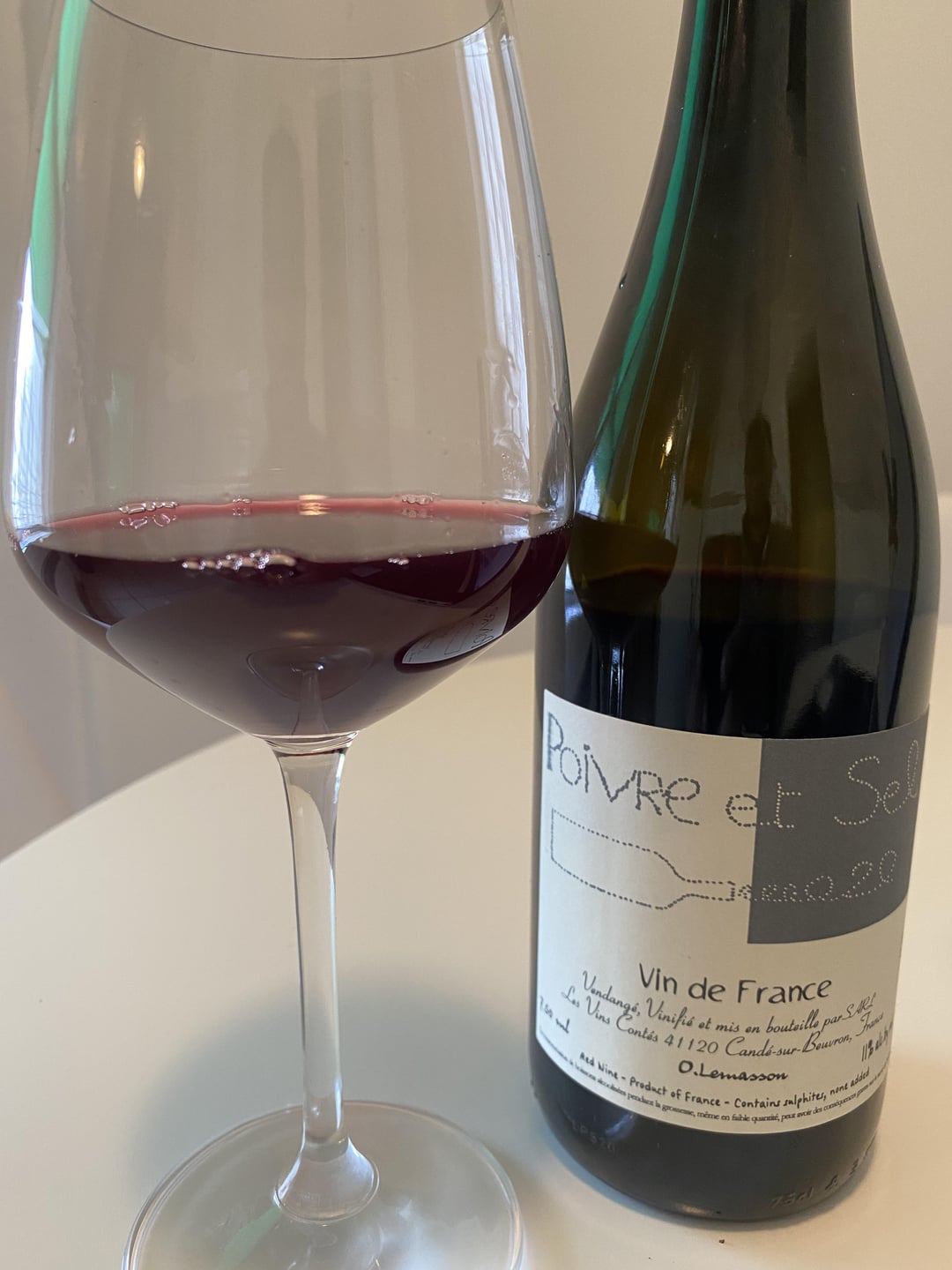
**Poivre et Sel, Olivier Lemasson:** A blend of Pineau d’Aunis and Gamay, whole-cluster, semi-carbonic maceration lasts 15 to 20 days with the grapes co-fermenting. Elevage in 500L barrels for five months. Purchased from Wine Therapy in Manhattan.
Aromas of black pepper, authentic barbecue dry rub, crushed cranberries, and strawberries, it prickles the nose with a simmering fiery heat for such a low alcohol wine. On the palate, it is lots of raspberry, red currant, that simmering spicy pepper Pineau d’Aunis brings, and that rich savory barbecue quality with just an undertone of earthiness. Medium acid, medium- tannins is the name of the game here. The finish has a nice pipe smoke that is warming and is balanced by the acid to prep for another sip. It’s a light bodied, spicy meatball of a wine that takes the qualities of both grapes and makes them work seamlessly with each other.
—
This was a cool little experiment for me. I don’t typically reach for German wines that aren’t Riesling but I was recommended this very new producer by my wine group on Discord (this is his second vintage) and the almost laser like precision and sharpness of his wines are fantastic. The flavors aren’t very complex, quite singular actually especially for the price but a ton of talent and potential is there for sure.
The Mas Coutelou is my favorite of the three in this review, it’s really hard to go wrong with a GSM blend, or in this case, a GS blend as these grapes have just a rich history of working well. It is everything you would expect, fuller style, rich dark fruit, a beastly meatiness and higher acid/high tannins.
And the Lemasson works great as well. I do like both grapes individually as this is brighter and more peppery versus the Mas Coutelou, with a clean refreshing but smoky finish. The grapes bring both their unique qualities together, the fiesty pepperyness of Pineau d’Aunis and the ethereal fruit of Gamay. Good stuff all around 🙂

1 Comment
Had notes on these wines for a while before I went on vacation but I went around and decided to review wines that were two grape blends to see how they compliment each other in making a final product.
**Jonas Dostert, Pure Limestone:** 50% Chardonnay, 50% Elbling, early picked, direct press, elevage in old barrels, minimal use of sulfur. Purchased from Brooklyn Wine Exchange in Brooklyn.
Aromas of quince, golden delicious apple, quinine, and white peach, it’s a very clean slate, medium intensity nose where the character doesn’t jump out of the glass, but it is fresh and clean. The palate is very dominated with tangerine, Granny Smith apples, yellow grapefruit, lemon zest and a touch of floral quality. Acid is laser focused, precise and tight but in balance with itself so as to let the flavors not dip or become too singular. The Chardonnay adds some weight to give some roundness to the wine as well which makes it such an easy sipper for me.
**Mas Coutelou, “A Touch of Class in a Glass”:** 60% Syrah, 40% Grenache, Languedoc based, chalky-clay soils. Purchased from Discovery Wines in Manhattan.
An opaque wine with a density and richness yet with alluring aromas and high-toned fruit. On the nose, stewed blackberries and blueberries, ripe plums, barbecued meats, hints of leather and crushed strawberries. Medium bodied, it is lighter than one would expect at such a high ABV (14.5%) but there is a soft wave of heat there, alluding to a wine with ripe fruit full of character. More red fruit dominant in flavor, red currant, blood orange, leather, pipe smoke, and dried herbs crusted over a charcuterie board. The savory elements and stark minerality helps to cut down on the dominating red fruit while the medium acid and subtle prickliness brings enough to keep the palate prepped for another glass.
**Poivre et Sel, Olivier Lemasson:** A blend of Pineau d’Aunis and Gamay, whole-cluster, semi-carbonic maceration lasts 15 to 20 days with the grapes co-fermenting. Elevage in 500L barrels for five months. Purchased from Wine Therapy in Manhattan.
Aromas of black pepper, authentic barbecue dry rub, crushed cranberries, and strawberries, it prickles the nose with a simmering fiery heat for such a low alcohol wine. On the palate, it is lots of raspberry, red currant, that simmering spicy pepper Pineau d’Aunis brings, and that rich savory barbecue quality with just an undertone of earthiness. Medium acid, medium- tannins is the name of the game here. The finish has a nice pipe smoke that is warming and is balanced by the acid to prep for another sip. It’s a light bodied, spicy meatball of a wine that takes the qualities of both grapes and makes them work seamlessly with each other.
—
This was a cool little experiment for me. I don’t typically reach for German wines that aren’t Riesling but I was recommended this very new producer by my wine group on Discord (this is his second vintage) and the almost laser like precision and sharpness of his wines are fantastic. The flavors aren’t very complex, quite singular actually especially for the price but a ton of talent and potential is there for sure.
The Mas Coutelou is my favorite of the three in this review, it’s really hard to go wrong with a GSM blend, or in this case, a GS blend as these grapes have just a rich history of working well. It is everything you would expect, fuller style, rich dark fruit, a beastly meatiness and higher acid/high tannins.
And the Lemasson works great as well. I do like both grapes individually as this is brighter and more peppery versus the Mas Coutelou, with a clean refreshing but smoky finish. The grapes bring both their unique qualities together, the fiesty pepperyness of Pineau d’Aunis and the ethereal fruit of Gamay. Good stuff all around 🙂